Introduction to Parametric Facades
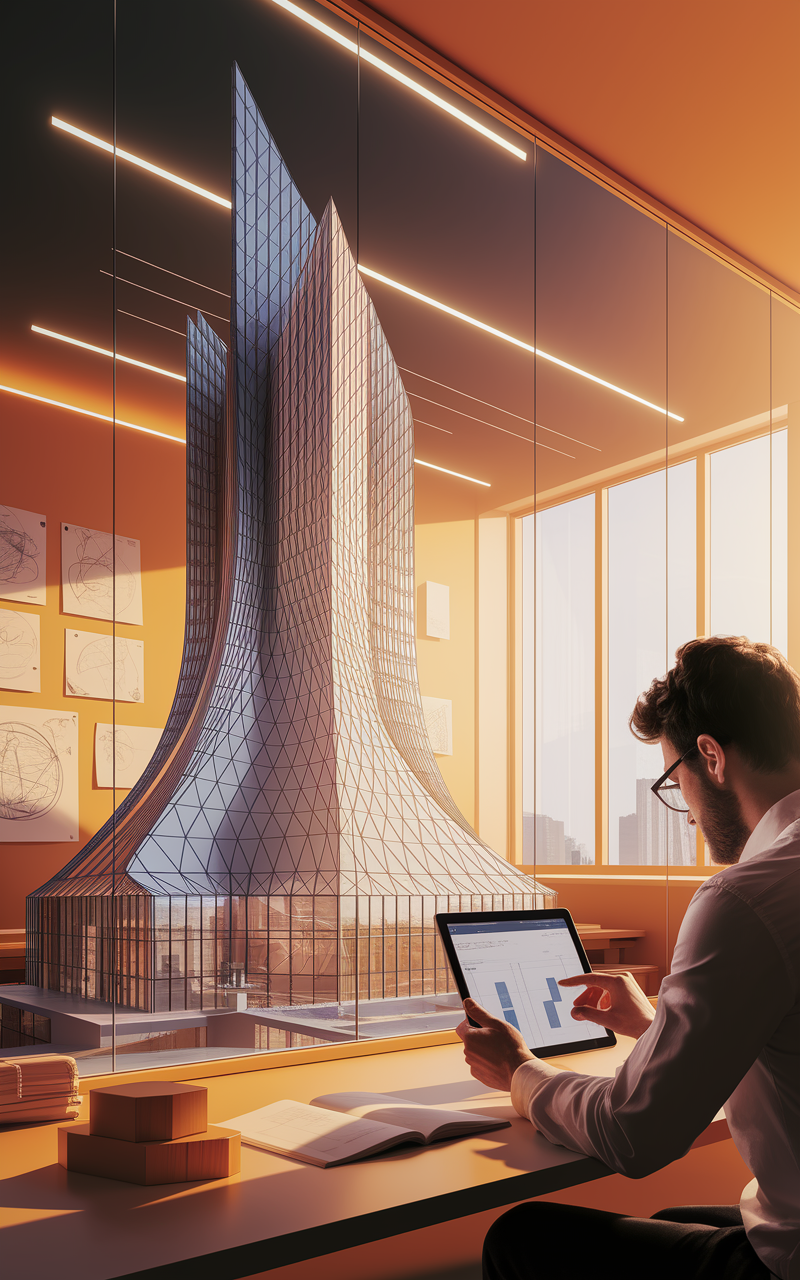
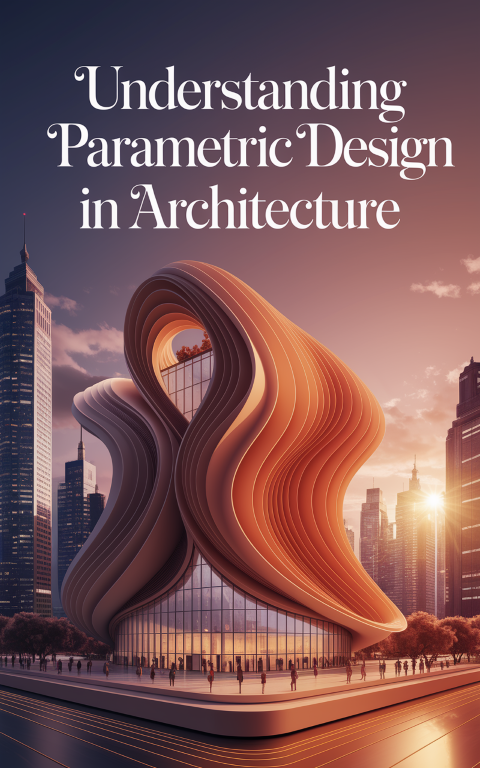
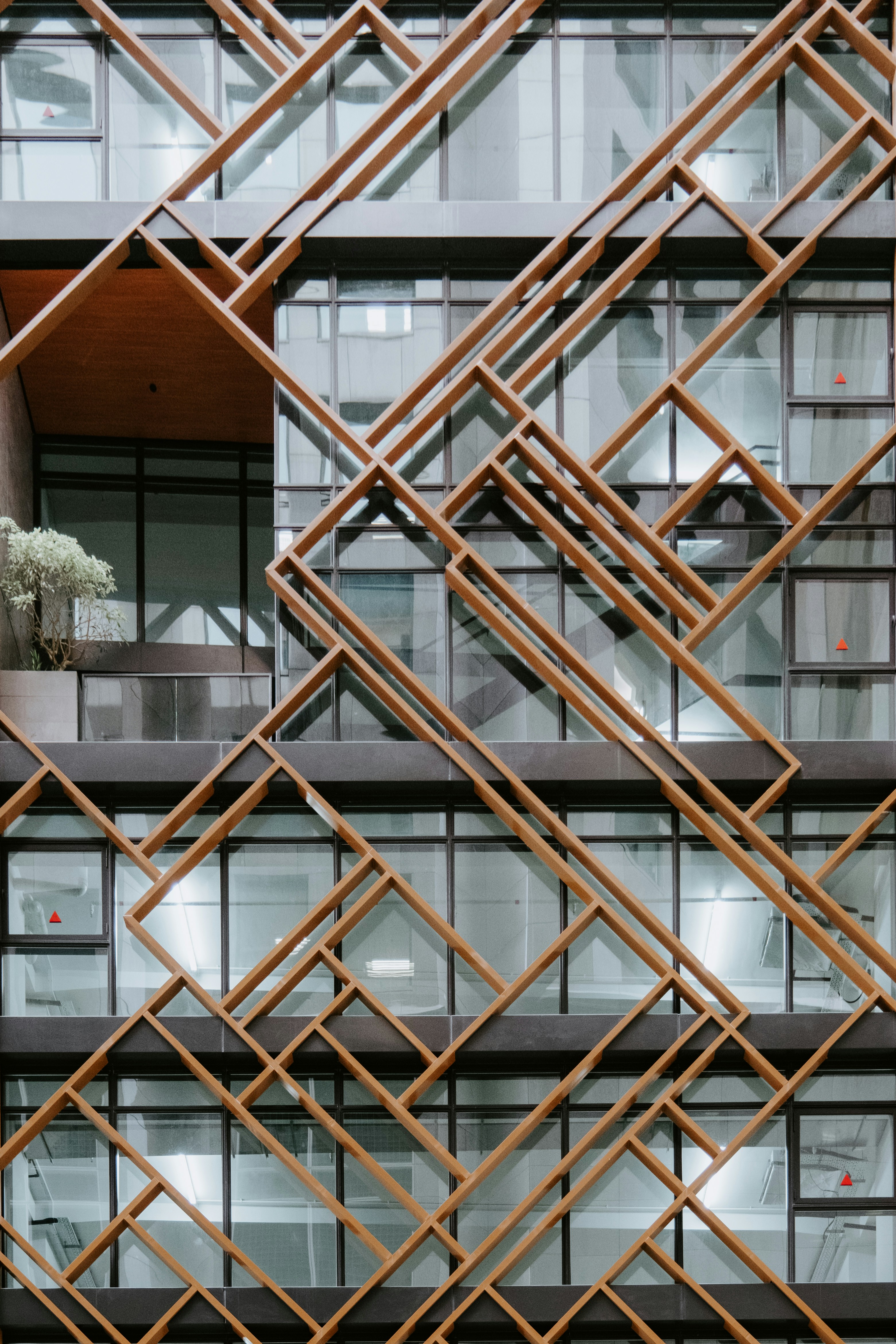
Parametric facades represent a significant innovation in architectural design, embodying a shift from traditional methods to a more dynamic and responsive approach. At the core of parametric design lies the ability to manipulate variables within a predetermined set of parameters. This contrasts starkly with conventional design approaches that often adhere to fixed dimensions and static forms. In essence, parametric facades are skin-like structures enveloping buildings, fashioned through algorithms that generate varied geometric configurations based on specific inputs such as environmental factors, material properties, and aesthetic preferences.
The significance of parametric facades in contemporary architecture cannot be overstated. They allow architects to explore complex shapes and forms, enabling a level of creativity that was previously unattainable with traditional techniques. By allowing for the integration of data and iterative processes, parametric design facilitates a holistic consideration of functionality, sustainability, and aesthetics, leading to structures that are not only visually striking but also performant in their materials and energy use.
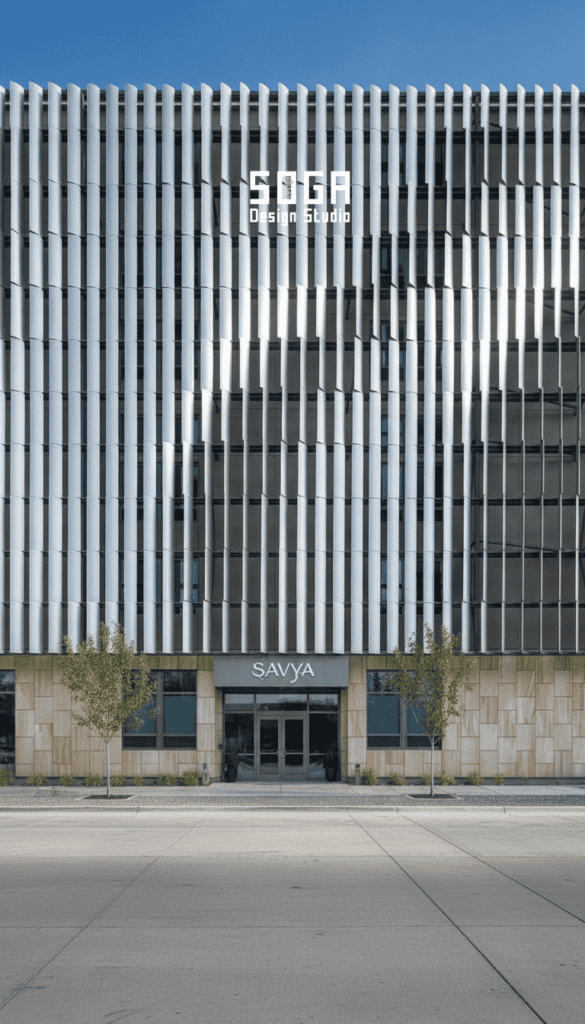
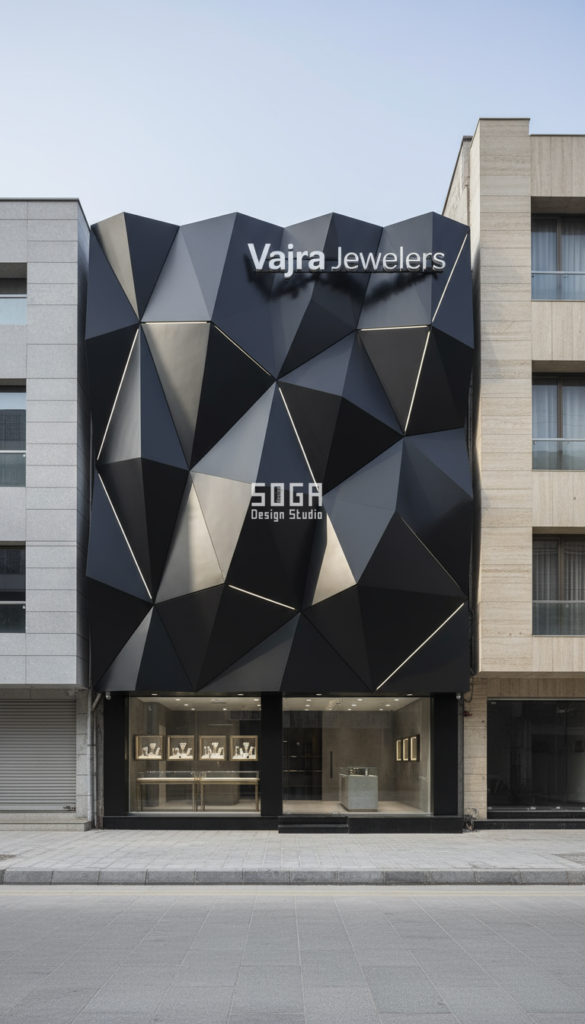
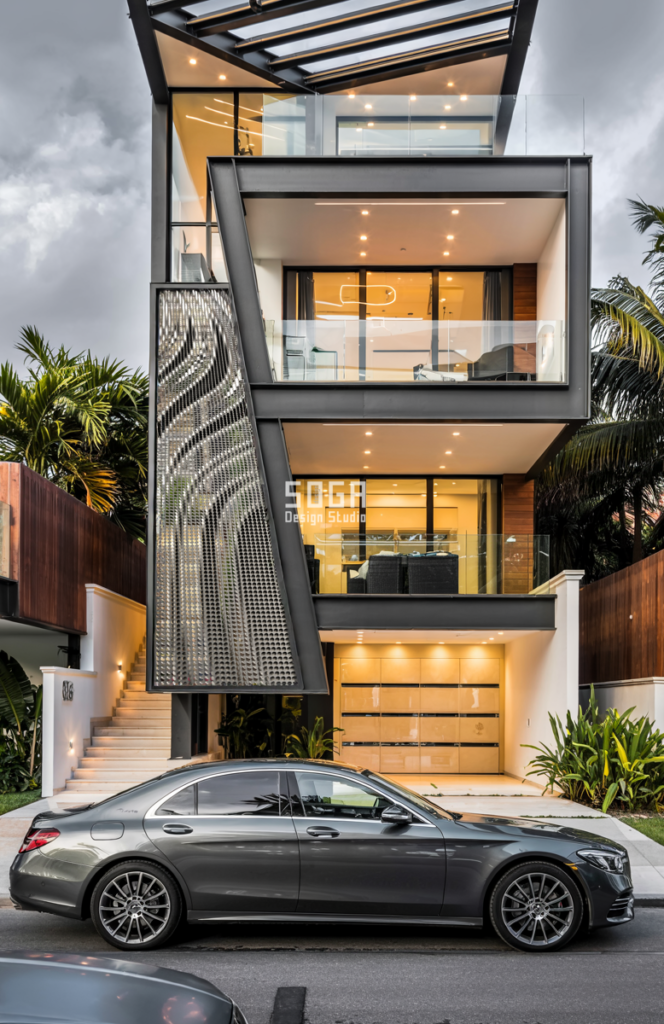
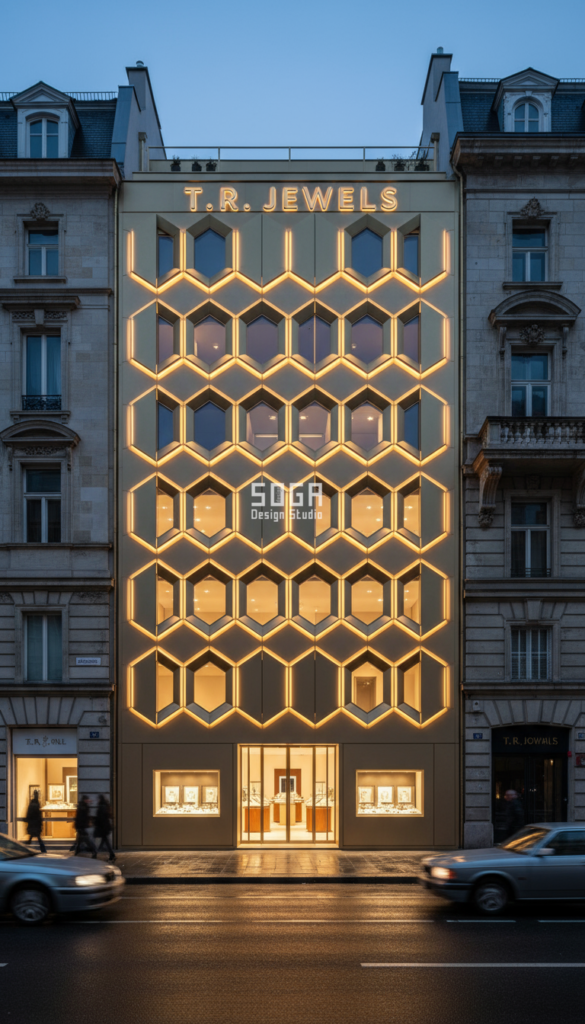
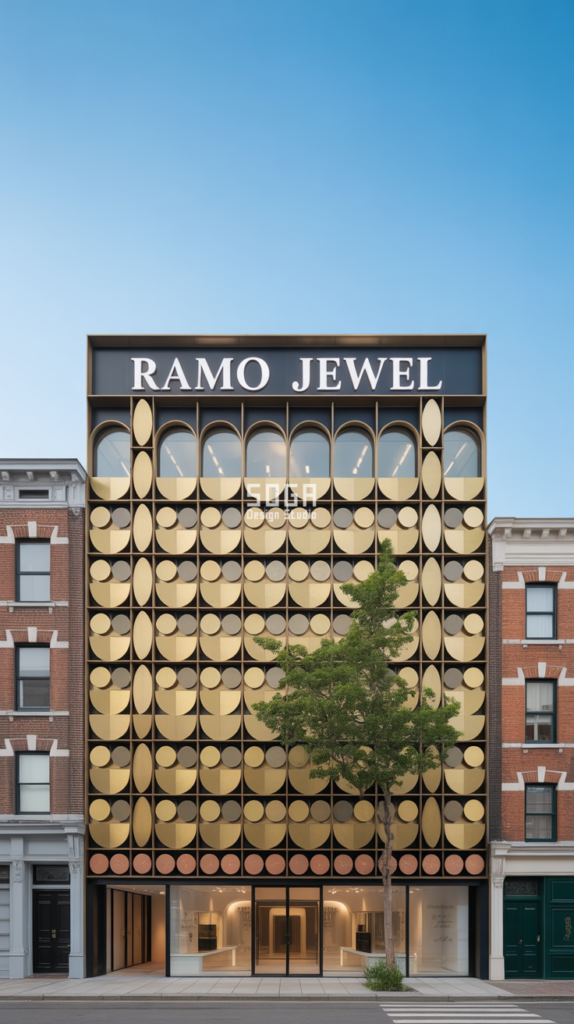
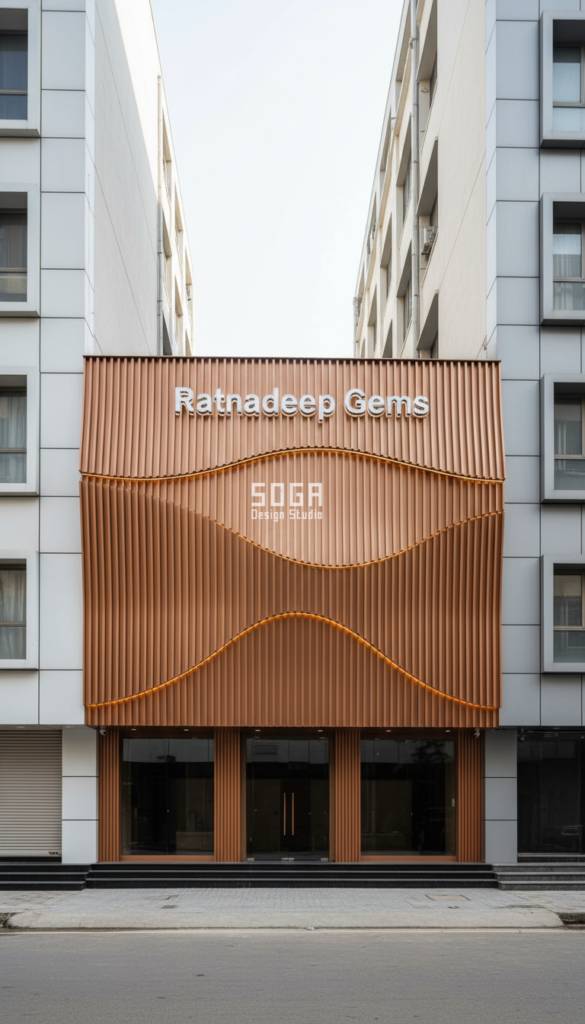
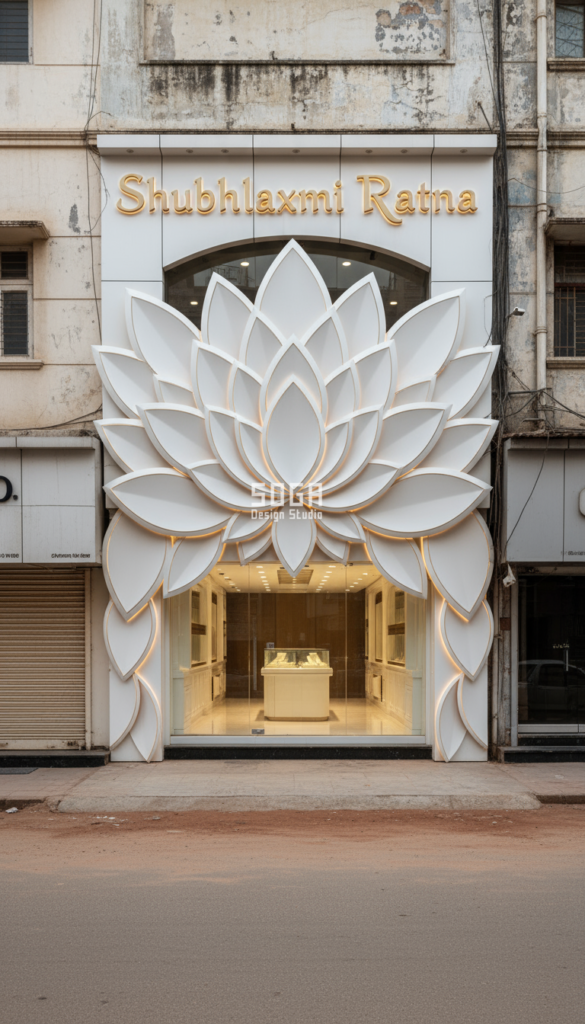
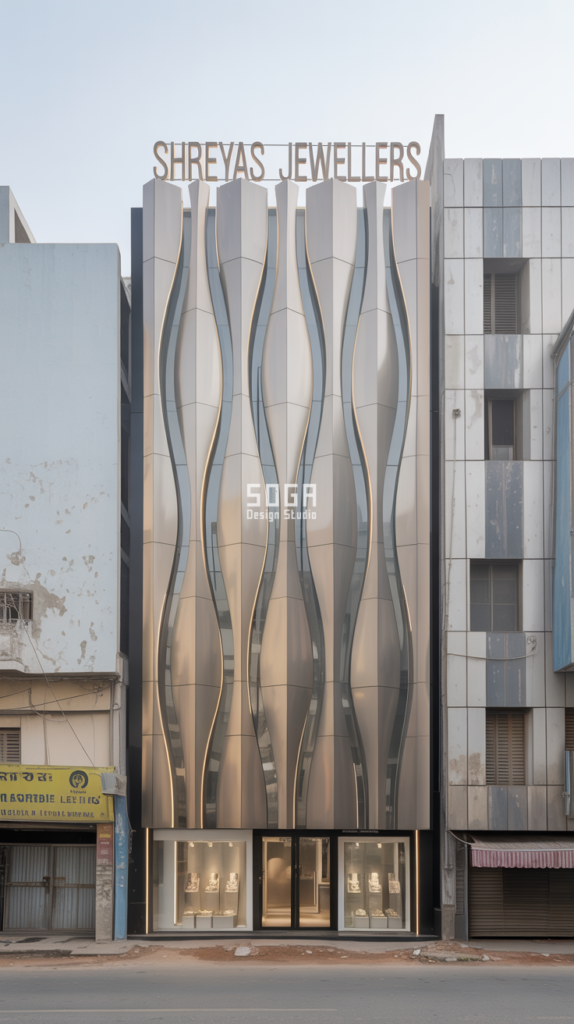
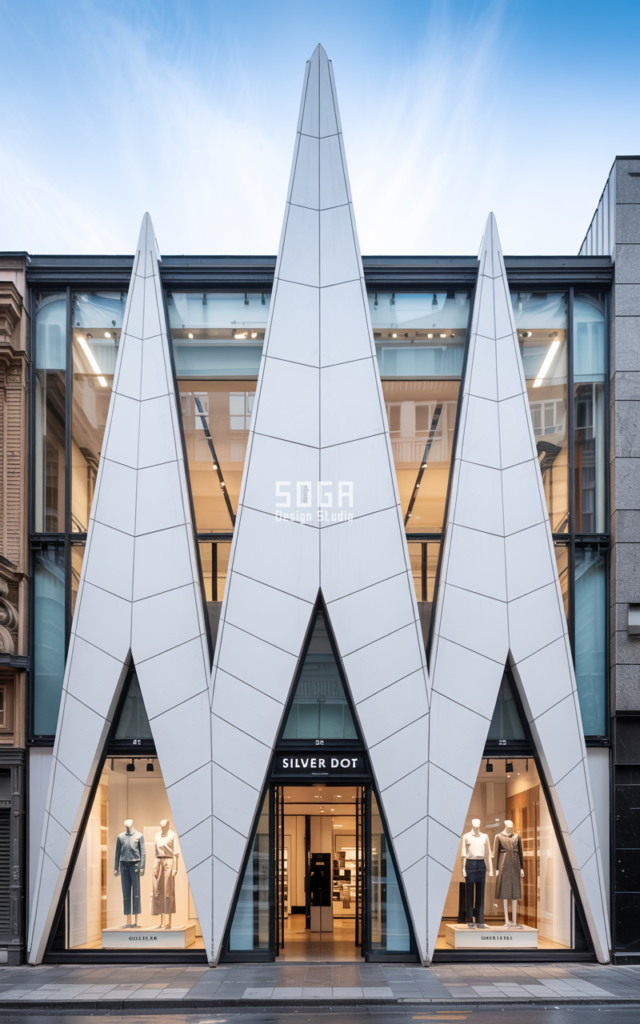
As climate change and urbanization continue to challenge architects and designers, parametric facades provide novel solutions that embrace technological advancements. For instance, these facades can be designed to respond to varying climatic conditions, optimizing natural light and ventilation while reducing energy consumption. Through the use of simulation tools and computational design, architects can predict how a facade will behave under different scenarios, allowing for informed decision-making throughout the design process.
This introduction to parametric facades sets the stage for an exploration of their various applications, benefits, and challenges in the following sections. As we delve deeper into this fascinating subject, it becomes increasingly clear that parametric facades are not merely a trend, but a transformative approach to modern architecture.
The Evolution of Parametric Design in Architecture
The concept of parametric design has grown significantly within the realm of architecture, originating from a blend of traditional design methodologies and advanced computational technologies. Its roots can be traced back to the early days of architectural thought, where geometric and mathematical concepts were first introduced to define spatial relationships. However, the real evolution began in the latter half of the 20th century, as architects started using computers for design, making the notion of parametrically driven forms not only feasible but also practical.
The advent of Computer-Aided Design (CAD) in the 1980s marked a pivotal moment in architectural history. This technology allowed architects to manipulate design elements with a level of precision that was previously unattainable. Some of the significant movements contributing to the rise of parametric design include Deconstructivism and the emergence of digital architecture, where irregular forms and complex geometries began to push the boundaries of conventional design practices. These architectural movements encouraged a more fluid and dynamic approach to structure and form, laying the groundwork for the development of parametric facades.
With the dawn of the 21st century, the introduction of Building Information Modeling (BIM) further revolutionized architectural practices. BIM facilitated a deeper understanding of how various design parameters influenced construction processes and building performance. This technology, combined with advancements in materials and fabrication techniques, enabled architects to create sophisticated parametric facades that could adapt to environmental contexts and user needs. Notable examples, such as the Eden Project by Sir Nicholas Grimshaw and the Vitra Fire Station by Zaha Hadid, showcase early adopters of this innovative approach. Today, parametric design continues to evolve, driven by ongoing technological advancements and a desire for more responsive, sustainable architecture.
Key Principles of Parametric Facades
Parametric facades represent a transformative approach in architectural design, underpinned by principles that emphasize responsiveness, adaptability, and dynamic performance. These facades utilize digital design tools to manipulate geometry based on a set of predefined parameters, allowing architects to create structures that respond to various inputs effectively. One of the fundamental principles of parametric facade design is responsiveness to environmental variables. This entails the incorporation of data such as sunlight, wind direction, and temperature to optimize building performance. By adjusting the facade’s geometry in reaction to these environmental factors, architects can enhance energy efficiency, reduce heat gain, and improve overall comfort for occupants.
Adaptability is another critical principle, enabling facades to evolve along with changing conditions. The ability of a parametric facade to alter its form or performance in response to shifts in the environment or user needs is paramount. For instance, a facade might change its shading configuration as the sun’s position shifts throughout the day, thereby maintaining an optimal level of natural lighting and reducing reliance on artificial illumination. This adaptability also extends to aesthetic considerations, allowing designs to integrate cultural influences and personal preferences without compromising functionality.
The dynamic performance of parametric facades is further enhanced through the integration of smart technologies and user interaction. By employing sensors and data analytics, facades can collect information on occupant behavior and environmental conditions, facilitating real-time adjustments. This not only augments user experience but also promotes sustainability by minimizing energy consumption. In essence, the key principles of responsiveness, adaptability, and dynamic performance work in synergy, enabling parametric facades to create innovative structures that cater to both functional needs and aesthetic aspirations in contemporary architecture.
Benefits of Parametric Facades
The implementation of parametric facades in architectural design offers a multitude of advantages that significantly enhance both functionality and aesthetic appeal. One of the key benefits is energy efficiency. Parametric facades can be optimized to respond dynamically to environmental conditions, such as sunlight and wind patterns. By employing advanced computational design techniques, architects can create facades that minimize energy consumption, reduce heating and cooling needs, and ultimately decrease the overall carbon footprint of buildings.
Sustainability is another paramount advantage. Parametric facades allow for the use of innovative materials that can contribute to the sustainability objectives of a project. For example, the implementation of phototropic materials enables the facade to adjust its transparency based on light exposure, thereby maintaining comfortable indoor climates without excessive energy usage. This approach aligns with global sustainability goals and supports the quest for greener architecture.
Customization is a significant factor in the allure of parametric facades. Utilizing algorithms and design software, architects can create unique facade designs that cater to the specific needs of a project while also resonating with the surrounding environment. This capability not only fosters creative expression but also allows building owners to create a distinctive visual identity, thereby enhancing marketability and social presence.
In terms of aesthetic appeal, parametric facades stand out for their innovative and modern designs. They can incorporate intricate patterns and dynamic elements, contributing to a building’s visual impact. For example, the “Vitra Fire Station” by Zaha Hadid exemplifies how a parametric facade can serve both artistic and functional roles, creating visually compelling structures that are also practical. Such projects illustrate how parametric design transcends conventional architectural boundaries, presenting exciting opportunities for future developments.
Challenges and Limitations of Parametric Facades
Parametric facades have revolutionized modern architecture by providing enhanced design flexibility and aesthetic opportunities. However, their implementation is not without challenges. One of the primary hurdles is the technical intricacies involved in designing these facades. Architects must possess a deep understanding of parametric design software, which often comes with a steep learning curve. Mastering tools like Grasshopper or Rhinoceros can demand significant time and resources, especially for professionals unfamiliar with computational design.
Financial constraints also play a crucial role in the viability of parametric facades. The advanced technology and materials required to bring such designs to fruition can lead to increased project costs. These financial implications may deter architects or clients, particularly in budget-conscious projects. Additionally, bespoke components often necessitate specialized manufacturing and assembly processes, further driving up expenses and complicating logistics.
Regulatory challenges present another layer of complexity. Parametric facades may not always align with existing building codes and regulations, which can vary significantly by location. This misalignment may necessitate extensive modifications to the original design or the pursuit of variances, which can prolong project timelines and add additional costs. Collaborating with regulatory bodies early in the planning phase can help mitigate these issues, but this process can remain time-consuming and fraught with uncertainty.
Furthermore, there is the risk of design overreach; pushing the boundaries of innovation can lead to practical issues in construction and maintenance. Factors such as material durability and energy efficiency must be thoroughly considered to ensure the longevity and functionality of the facade. This balance between creativity and practicality ultimately defines the success of parametric facades in contemporary architecture.
Technological Innovations Driving Parametric Facades
Parametric facades represent a significant shift in architectural design, primarily driven by advancements in technology. Digital modeling software such as Rhino, combined with Grasshopper, plays a critical role in the development of these innovative facades. Rhino provides a robust 3D modeling environment, while Grasshopper introduces a visual programming component that allows architects to create complex geometries and explore various design options dynamically. This intersection of creativity and computation opens up new possibilities in architectural expression, helping designers manipulate form and function effectively.
Computational design relies heavily on algorithms and parametric tools to produce intricate patterns and efficient structures that can adapt to specific environmental conditions. By using parameters that can be adjusted, the designer is able to respond to various site constraints and climatic influences. The result is not just aesthetically pleasing facades but also highly functional ones that enhance energy efficiency and sustainability. Through computational design, architects can simulate environmental impact, analyze daylight penetration, and optimize material usage, thus achieving designs that are both innovative and ecologically viable.
Furthermore, the integration of Building Information Modeling (BIM) technology has revolutionized the way architects and builders approach facade design and construction. BIM allows for comprehensive planning and collaboration across disciplines, providing a digital representation of physical and functional characteristics. This ensures that all stakeholders—including architects, engineers, and contractors—are on the same page throughout the design and construction process. As a result, the transition from digital design to physical realization becomes seamless, reducing errors and ensuring precision. The emergence of these technologies transforms the landscape of architectural design, enabling the creation of captivating and responsive parametric facades that push traditional boundaries.
Case Studies of Notable Parametric Facades
Parametric facades serve as a testament to the evolution of architectural design, demonstrating the effective integration of technology into aesthetics and functionality. One of the most notable examples is the Al Bahr Towers in Abu Dhabi, designed by Aedas. This building features a dynamic facade that responds to sunlight, utilizing a series of shading elements that open and close automatically. The intent behind this design was not just to reduce the building’s energy consumption, but also to create a dynamic visual experience. However, the challenge lay in ensuring the mechanical systems were reliable in the harsh desert environment. Ultimately, the outcome has been a striking visual landmark while significantly enhancing thermal performance.
Another iconic example is the Heydar Aliyev Center in Baku, Azerbaijan, designed by Zaha Hadid Architects. The building showcases a flowing, parametric facade that emphasizes smooth curves without traditional angles. The design intent was to break the conventional mold of architecture in the region and create an inviting public space. The construction process faced hurdles related to manufacturing the unique panels and ensuring structural integrity. Despite these challenges, the center has garnered international acclaim for its innovative design and serves as a cultural hub.
Lastly, the Elbphilharmonie in Hamburg, Germany, designed by Herzog & de Meuron, features a unique glass structure perched atop an old warehouse. The facade’s intricate design mirrors the waves of the nearby Elbe River. The intent was to create a transparent element that connects the building to its surroundings. Construction challenges included the complex integration of a glass shell over a robust, historic base. The project has concluded successfully, becoming a symbol of Hamburg’s revitalization and an example of how parametric design can harmoniously blend old and new.
Future Trends in Parametric Facade Design
The landscape of parametric facade design continues to evolve, reflecting advancements in technology, shifting sustainability imperatives, and novel architectural concepts. One of the most significant trends in this evolution is the increased integration of digital fabrication methods. More architects and designers are employing advanced computational design tools to create facades that are not only aesthetically pleasing but also optimized for structural integrity and environmental performance. Techniques such as 3D printing and robotic fabrication enable the creation of highly intricate facade systems, which can be tailored to specific climatic conditions and user requirements.
Moreover, sustainability remains a pivotal factor influencing facade design. As the construction industry faces growing pressure to reduce its carbon footprint, parametric facades are being designed with an emphasis on energy efficiency and resource conservation. These facades are often equipped with dynamic shading systems that respond to solar exposure, thus minimizing heat gain and reducing the reliance on mechanical heating and cooling systems. Future designs may also incorporate biophilic elements, promoting urban green spaces through living walls or integrating renewable energy technologies, such as solar panels, directly into the facade design.
Additionally, the concept of smart building technology is on the rise. Buildings fitted with parametric facades are increasingly leveraging data-driven solutions to enhance performance. Through the application of sensors and IoT devices, parametric facades can adapt in real-time to environmental changes, improving user comfort while maximizing energy efficiency. This trend towards intelligent building envelopes signifies a paradigm shift, whereby architecture must not only fulfill aesthetic demands but also respond dynamically to the surrounding environment.
In conclusion, the future of parametric facade design appears promising, influenced by cutting-edge technologies and an unwavering commitment to sustainability. As architects continue to explore innovative approaches, parametric facades will undoubtedly play a critical role in shaping the architectural identity of tomorrow.
Conclusion
Parametric facades represent a significant advancement in architectural design, merging aesthetic appeal with functional efficiency. The integration of algorithms in the design process allows architects to create complex geometries and adaptive structures that respond to environmental variables. This innovation not only enhances the visual dynamism of buildings but also improves their performance by optimizing light, ventilation, and energy use based on climatic conditions.
Aesthetic value is greatly enhanced through parametric design. The unique forms and patterns created by these facades can redefine cityscapes, making them more visually engaging and responsive to their surroundings. Each project benefits from a customized approach, where the façade becomes an expression of the building’s identity, often leading to landmark structures that stand out in the urban environment.
On the functional side, parametric facades contribute to a building’s durability and sustainability. By leveraging advanced materials and smart technologies, these facades can adapt to changing weather patterns and reduce energy consumption. This adaptability is especially crucial in addressing environmental concerns—the building industry’s shift towards sustainable practices is essential for combating climate change. A well-designed parametric facade not only meets aesthetic and performance standards but also minimizes its ecological footprint, paving the way for a more sustainable architecture.
In conclusion, the impact of parametric facades on architecture is profound, influencing not only how structures look but also how they operate. As architects continue to explore this innovative approach, the potential for parametric facades to shape the future of architectural design becomes increasingly apparent. By marrying form with function, they stand at the forefront of modern architectural practices, fundamentally transforming our built environment for generations to come.