Introduction to Parametric Facades
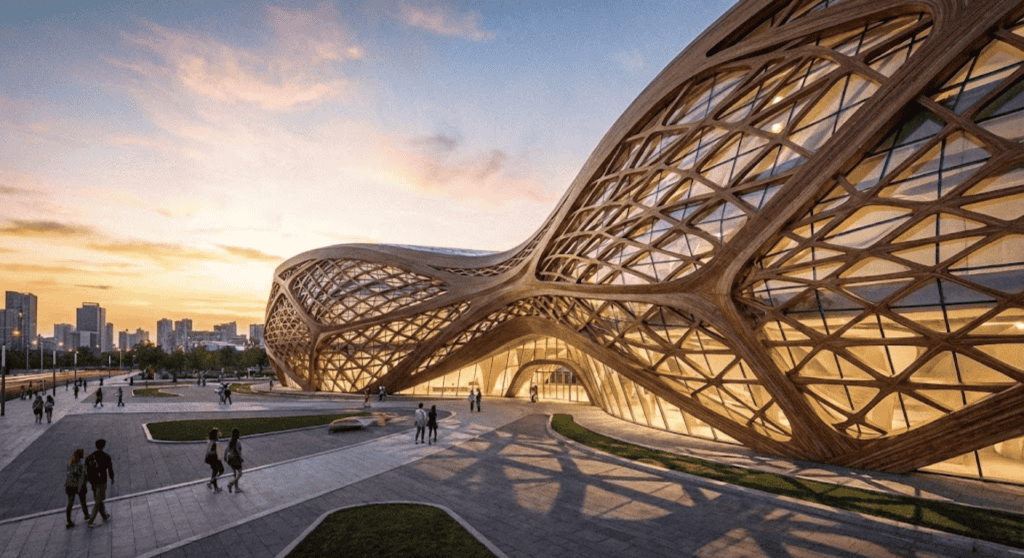
Parametric facades mark a fundamental shift in architecture, moving from fixed, static skins to intelligent building envelopes that respond to environment, performance, and identity. Driven by computational tools like Rhino, Grasshopper, BIM, and digital fabrication, these systems use algorithms and data to generate complex design geometries that optimize light, ventilation, shading, and material use.
At the core of parametric design lies the ability to manipulate variables within a predetermined set of parameters. This contrasts starkly with conventional design approaches that often adhere to fixed dimensions and static forms. In essence, parametric facades are skin-like structures enveloping buildings, fashioned through algorithms that generate varied geometric configurations based on specific inputs such as environmental factors, material properties, and aesthetic preferences.
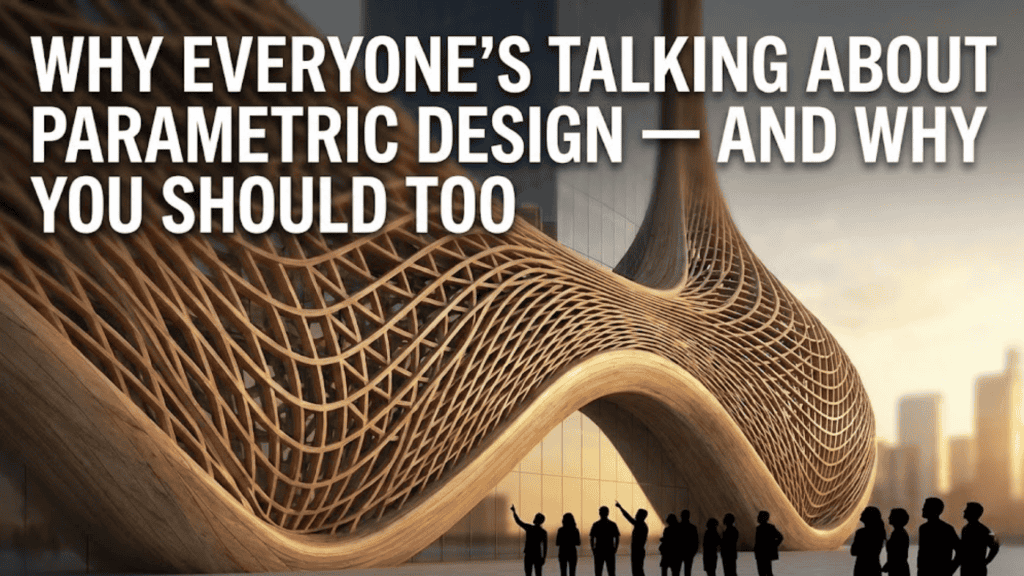
The significance of parametric facades in contemporary architecture cannot be overstated. They allow architects to explore futuristic design shapes and forms, enabling a level of creativity that was previously unattainable with traditional techniques. By allowing for the integration of data and iterative processes, parametric design facilitates a holistic consideration of functionality, sustainability, and aesthetics.
Spotlight: Parametric Excellence in India
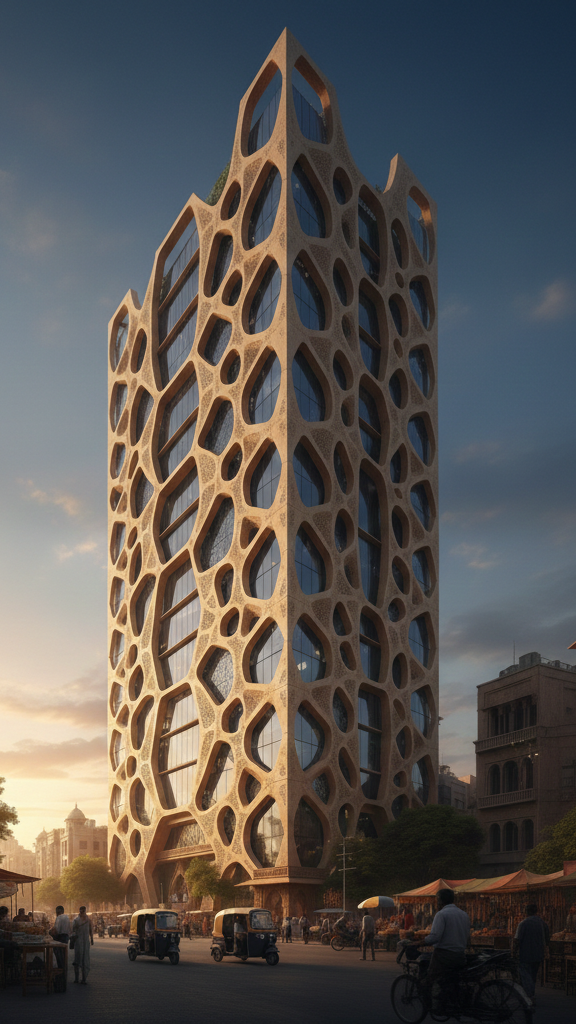
The Indian architectural landscape is uniquely suited for parametricism. With extreme sunlight and dense urban centers, the need for “smart skins” has never been higher. From international precedents like the Heydar Aliyev Center and Al Bahr Towers to localized Indian applications, this movement is redefining the “Indian Aesthetic.”
Key projects showcasing parametric design in India include:
SAVYA Hotel, Kolkata (by SOGA Design Studio)
Vajra Jewellers
Coin Panel Ajay Villa
T R Jewels
Ramo Jewel
Ratnadeep Gems
Shubhlaxmi Ratna
Shreyas Jewellers
Silver Dots
These projects demonstrate how responsiveness, adaptability, and dynamic performance can coexist with strong aesthetics and brand presence. They enable energy-efficient, climate-responsive, highly customized designs that turn buildings into landmarks.
The Evolution of Parametric Design in Architecture
The concept of parametric design has grown significantly, originating from a blend of traditional design methodologies and advanced computational technologies. Its roots can be traced back to mathematical concepts used to define spatial relationships, but the real evolution began in the latter half of the 20th century.
The advent of Computer-Aided Design (CAD) in the 1980s marked a pivotal moment, allowing for a level of precision that was previously unattainable. This was followed by movements like Deconstructivism, which encouraged fluid and dynamic structures. With the dawn of the 21st century, the introduction of Building Information Modeling (BIM) further revolutionized architectural practices. BIM facilitated a deeper understanding of how various design parameters influenced construction processes and building performance.
Key Principles of Parametric Facades
Parametric facades are underpinned by principles that emphasize responsiveness, adaptability, and dynamic performance.
Responsiveness to Environmental Variables: This entails the incorporation of data such as sunlight, wind direction, and temperature. By adjusting the facade’s geometry in reaction to these factors, architects can enhance energy efficiency and reduce heat gain.
Adaptability: The ability of a facade to alter its form or performance in response to shifts in user needs is paramount. For instance, a facade might change its shading configuration as the sun’s position shifts throughout the day.
Dynamic Performance: Through the use of sensors and data analytics, facades can collect information on occupant behavior and environmental conditions, facilitating real-time adjustments.
Benefits: Beyond the Aesthetic
The implementation of parametric facades offers advantages that go far beyond “looking cool.”
Energy Efficiency: By employing advanced computational design, architects can create facades that minimize energy consumption and decrease the overall carbon footprint of buildings.
Sustainability: Parametric facades allow for the use of innovative materials. For example, phototropic materials enable the facade to adjust its transparency based on light exposure.
Customization: Using algorithms and design software, architects can create unique designs that cater to the specific needs of a project while also resonating with the surrounding environment.
Aesthetic Appeal: These facades stand out for their innovative and modern designs. They incorporate intricate patterns and dynamic elements, contributing to a building’s visual impact.
Challenges and Limitations
Despite the growth of facade design in India, implementation is not without challenges.
Technical Intricacy: Mastering tools like Grasshopper or Rhinoceros can demand significant time and resources.
Financial Constraints: The advanced technology and materials required can lead to increased project costs, which may deter clients in budget-conscious markets.
Regulatory Challenges: Parametric designs may not always align with existing building codes, necessitating extensive modifications or variances.
Design Overreach: Pushing the boundaries of innovation can lead to practical issues in maintenance and material durability.
Technological Innovations Driving the Future
Parametric facades represent a significant shift driven by technology. Digital modeling software like Rhino, combined with Grasshopper, plays a critical role. Computational design relies heavily on algorithms to produce intricate patterns that can adapt to specific environmental conditions.
Furthermore, the integration of BIM technology has revolutionized collaboration across disciplines. This ensures that all stakeholders—architects, engineers, and contractors—are on the same page, reducing errors during the transition from digital design to physical realization.
Future Trends: What’s Next for India?
The landscape of parametric facade design continues to evolve. One of the most significant trends is the increased integration of digital fabrication methods like 3D printing and robotic fabrication.
Sustainability remains a pivotal factor. Future designs may incorporate biophilic elements, promoting urban green spaces through living walls or integrating renewable energy technologies directly into the facade skin. As climate change and urbanization continue to challenge designers, parametric facades provide novel solutions that embrace these technological advancements.
Conclusion
Parametric facades represent a significant advancement in architectural design, merging aesthetic appeal with functional efficiency. They are not merely a passing trend but a transformative, future-facing approach. By marrying form with function, they stand at the forefront of modern architectural practices, fundamentally transforming our built environment for generations to come.