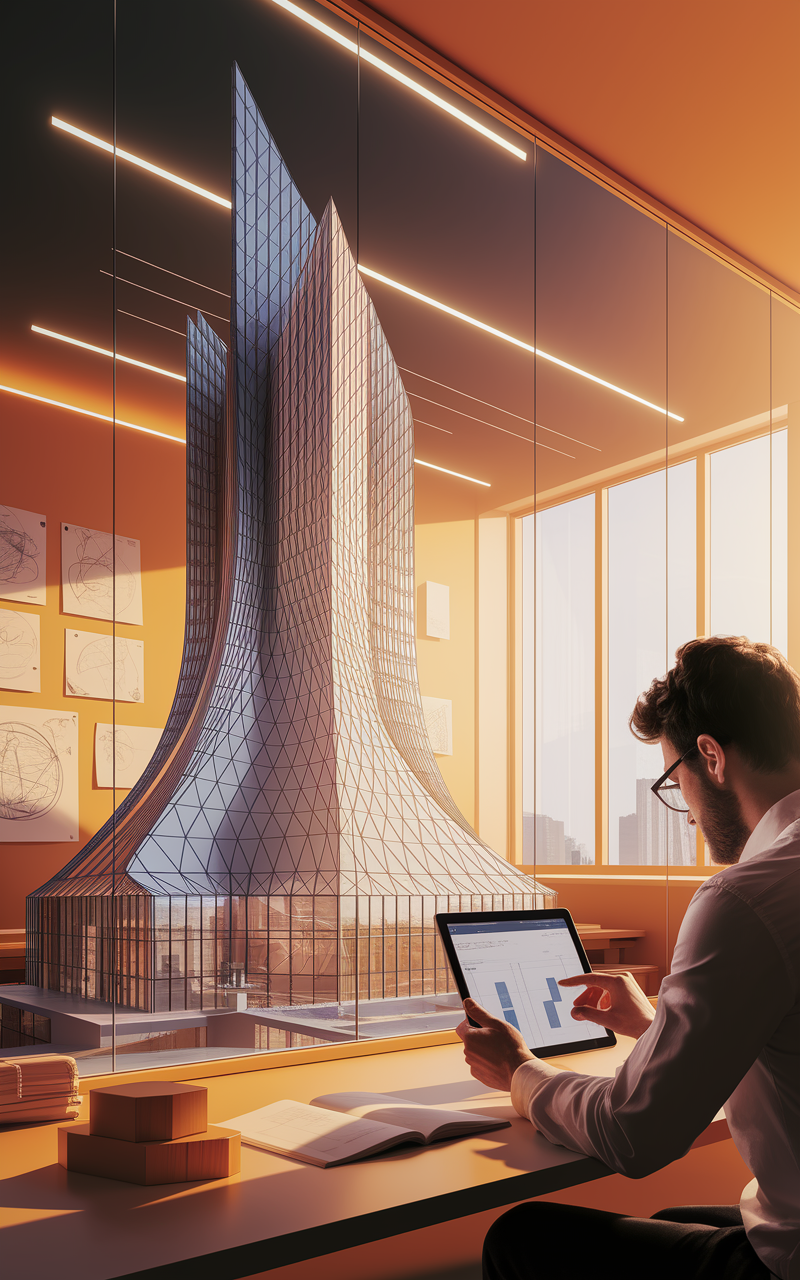
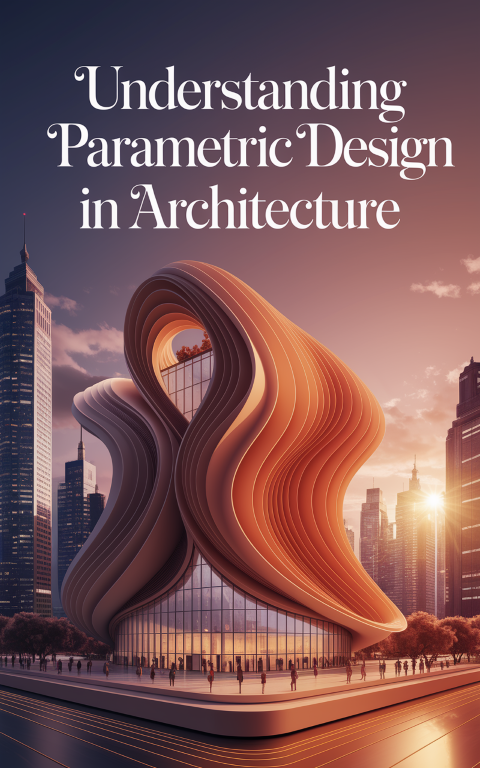
Explore how metal facade design in India is evolving through climate-responsive elevations, parametric thinking, and future-ready architectural expression led by studios like SOGA Design Studio.
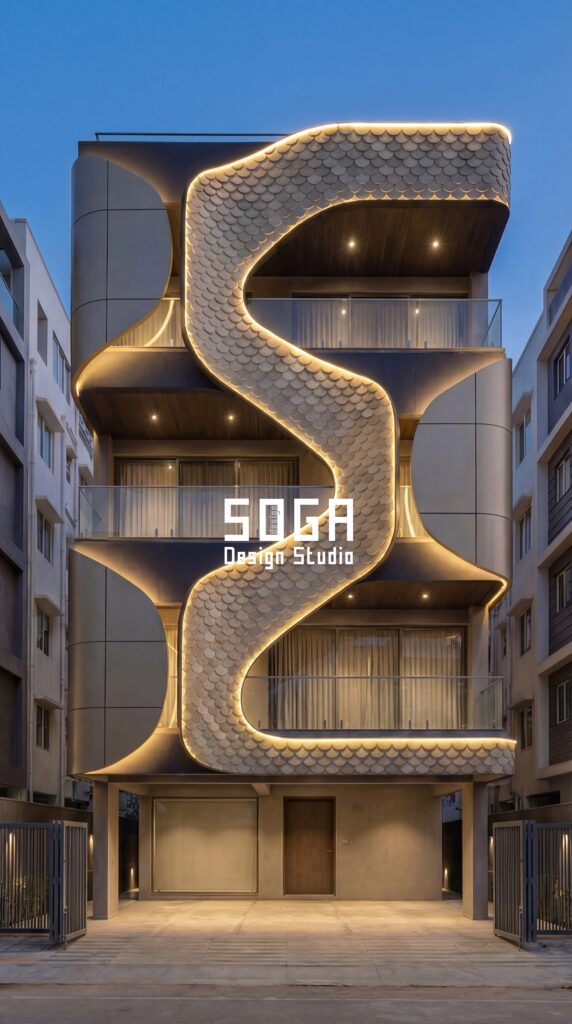
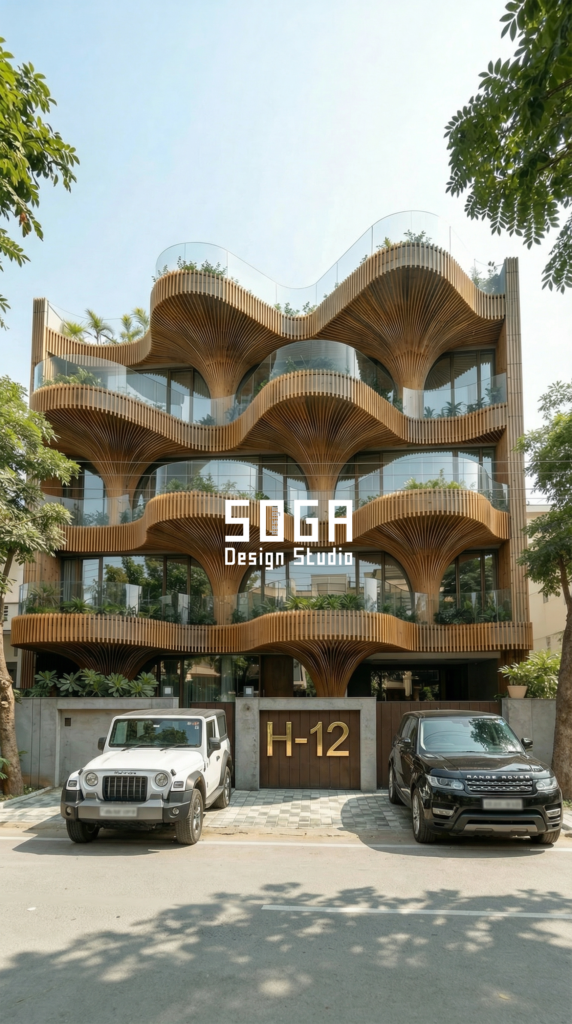
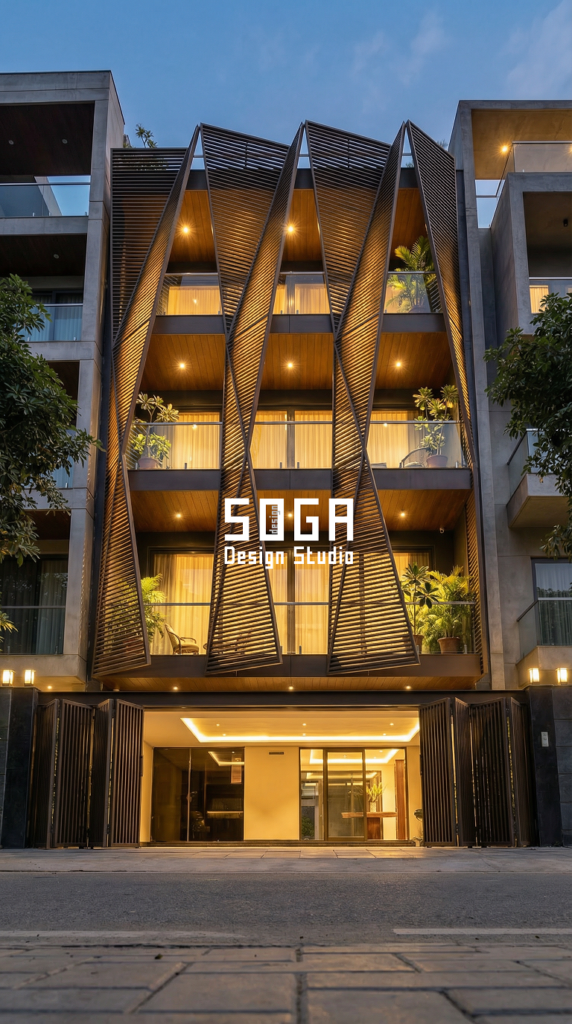
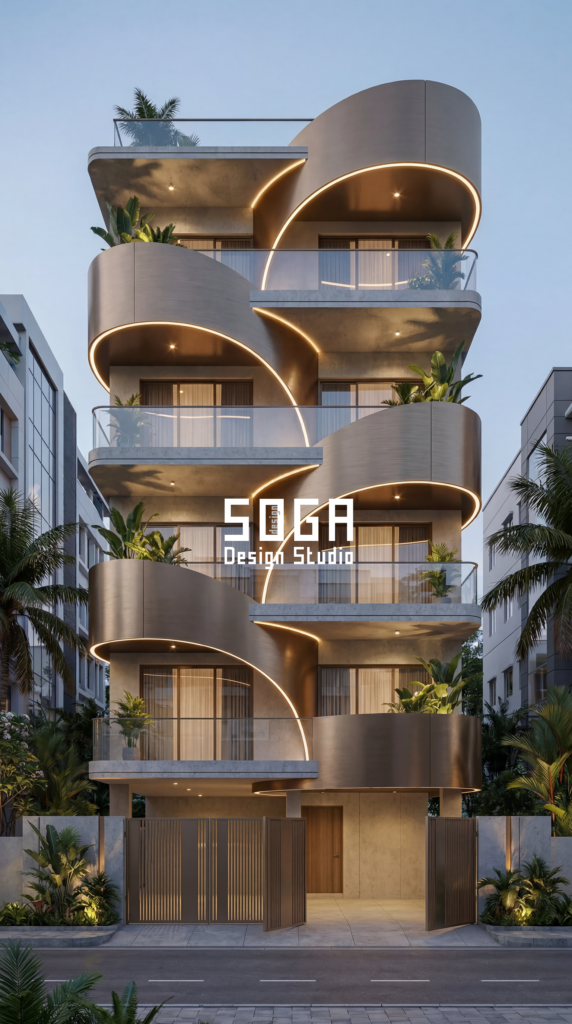
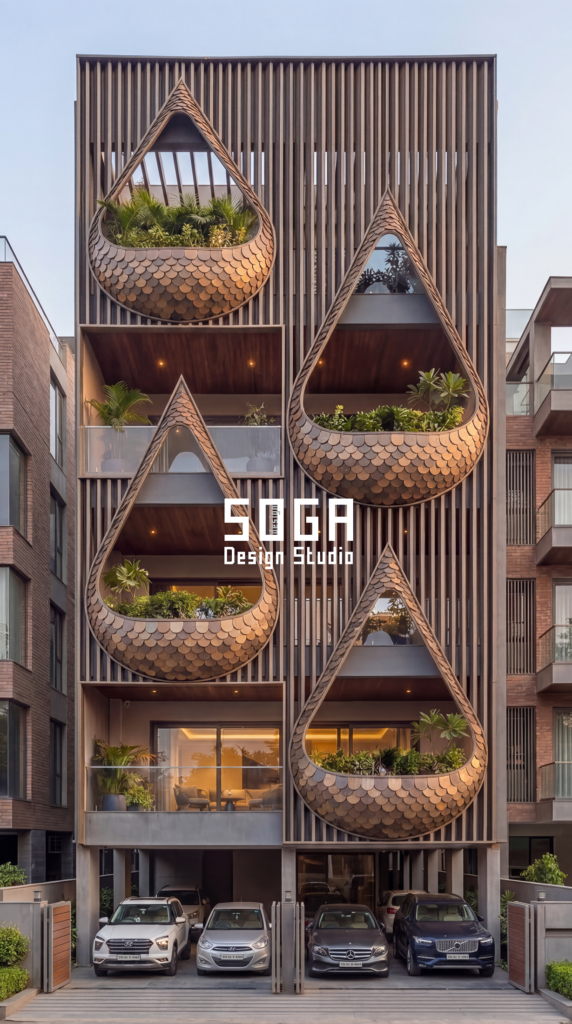
India’s architecture is moving beyond flat painted exteriors and standard balcony compositions. Across residential, retail and mixed-use projects, facade design is becoming more intelligent, expressive and performance-driven, with metal emerging as one of the most important materials shaping the future of building elevations.
Metal facade design in India is no longer limited to simple cladding or decorative screens. It is now being used to create identity, regulate sunlight, improve privacy, support ventilation and give buildings a stronger urban presence. As digital design tools and fabrication methods continue to improve, architects are able to create facades that are both visually striking and technically practical.
Why facade design in India is changing
Indian cities are denser, hotter and more visually competitive than ever before. Clients now expect a building facade to do more than look attractive; it must respond to climate, stand out in the market and reflect the character of the project.
Traditional elevation design often relied on paint, plaster mouldings and heavy RCC projections. While these methods still exist, they are gradually being replaced by lighter and more adaptable facade systems that can perform better over time. Metal offers exactly that shift by bringing speed, durability and design flexibility into one integrated language.
Another major reason for this transformation is the rise of parametric and computational design. With digital tools, architects can now study sun angles, street context, privacy requirements and pattern density before finalizing the facade. This allows elevations to become more responsive rather than purely decorative.
Why metal facades are leading the future
Metal has become one of the most future-ready materials in facade design because it balances performance with aesthetics. It can be folded, perforated, curved, layered and illuminated in ways that make the elevation feel dynamic without overcomplicating the structural system.
In Indian conditions, metal also performs well because it can be detailed for heat, rain, dust and long-term maintenance. High-quality metal systems help reduce the need for frequent repainting and can support double-skin facade strategies that improve shading and thermal comfort.
Another advantage is modularity. Metal panels, fins and screens can be prefabricated off-site and installed efficiently, which makes them suitable for compact urban plots, premium residences and commercial projects where both time and precision matter.
How a future-ready elevation can be designed
A strong facade begins with a clear concept rather than surface decoration. The designer first studies the building type, the surrounding street, the direction of sunlight, the required level of openness and the identity the project should express.
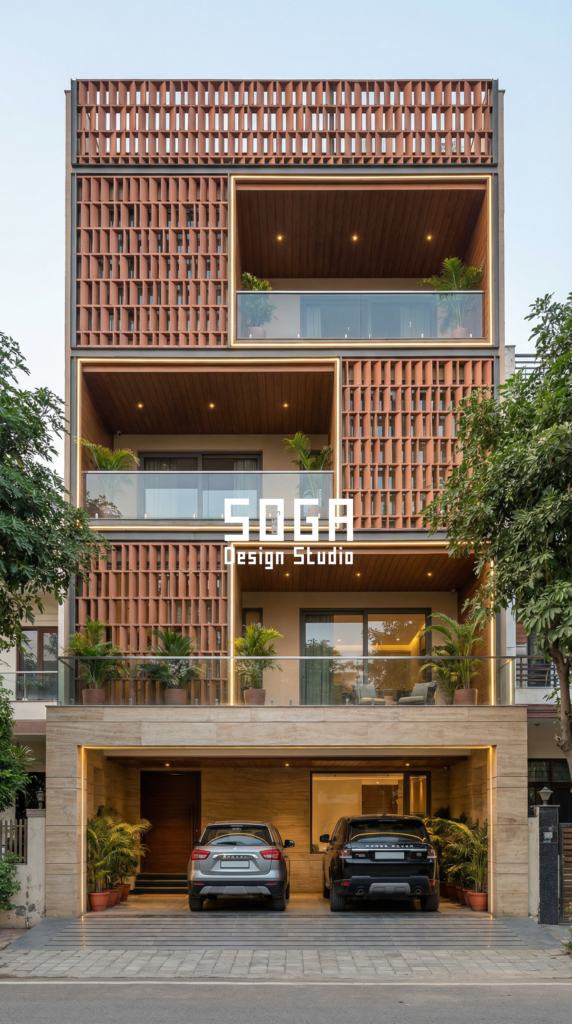
From there, the elevation can be developed as a layered system. The main building mass remains efficient and practical, while a second outer skin in metal creates depth, shading and visual rhythm. This outer layer may include vertical fins, perforated screens, folded bands or parametric modules depending on the project language.
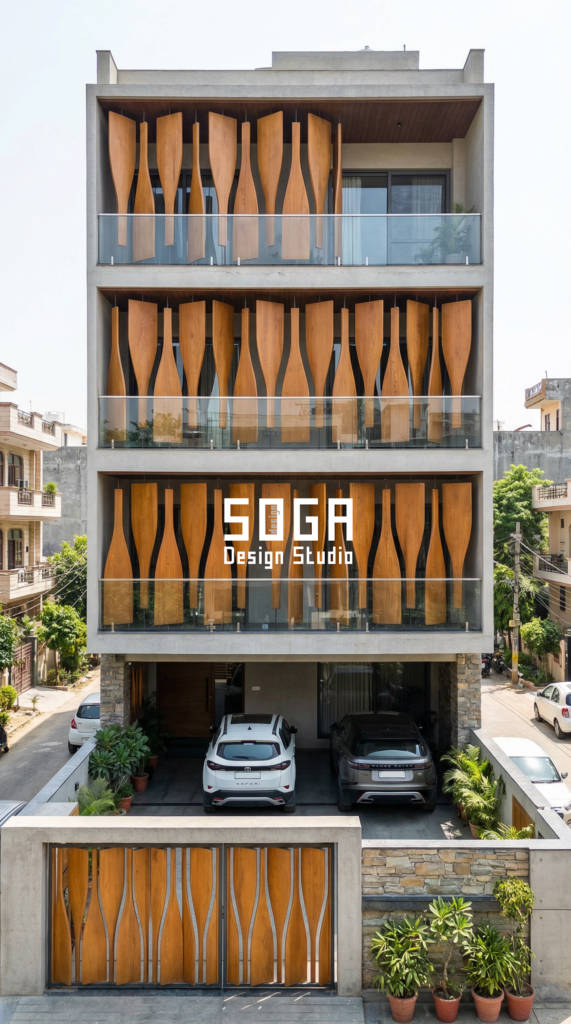
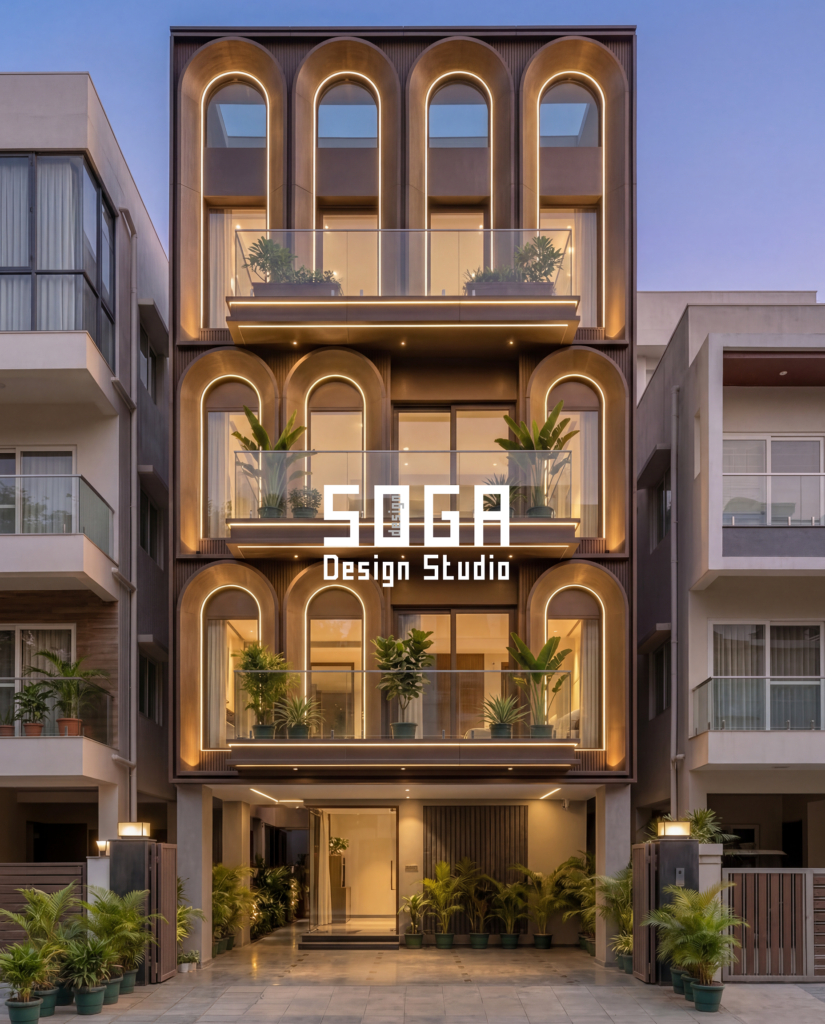
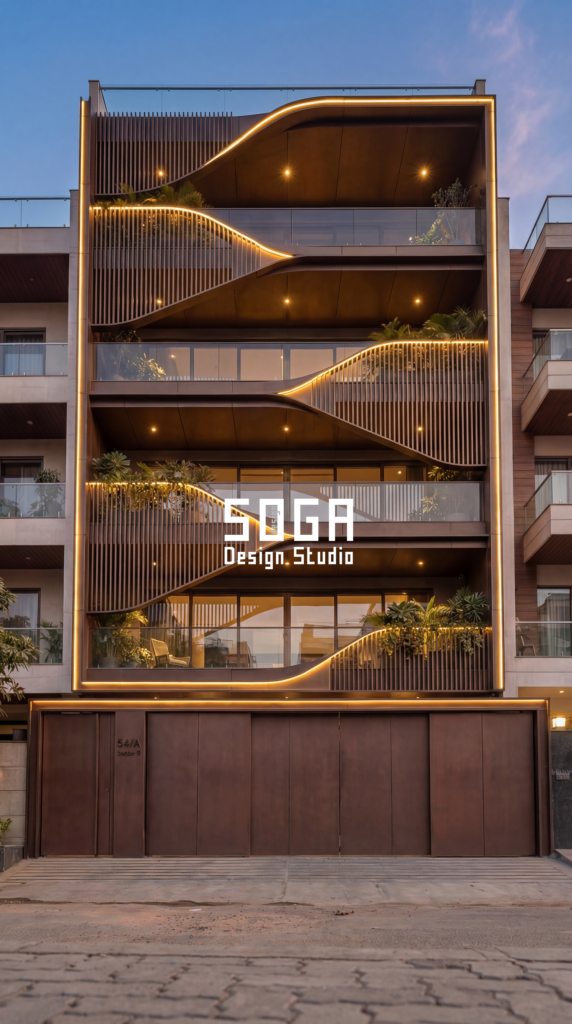
In a typical urban residential project, the ground floor can be framed with metal portals to define arrival and parking. Upper floors can use curved or angular balcony bands in metal to create movement while also protecting glazing from direct sun. Planter pockets, recessed lights and patterned screens can then be integrated into the elevation so the building performs beautifully by day and glows with character at night.
This is where good facade design differs from surface styling. A successful metal elevation is not just about adding pattern; it is about combining structure, climate response, privacy, material detailing and visual identity into one coherent system.
How SOGA Design Studio is changing facade design methods
SOGA Design Studio represents a new design approach in which facade thinking begins early in the architectural process instead of being added at the end. The studio’s work shows a strong focus on parametric composition, layered elevations and sculptural metal forms that help compact urban buildings become memorable landmarks.
What makes this method important is the shift from conventional elevation drafting to computational exploration. By using digital workflows, facade geometry can be tested, refined and adapted according to project needs such as light control, privacy, proportion and constructability.
SOGA’s facade language also shows how metal can be used as more than a finish. In their projects, metal acts as a defining architectural element that shapes balconies, edges, screens and rhythm across the entire front elevation. This creates buildings that feel contemporary, branded and future-facing while remaining rooted in practical urban conditions.
Rather than following flat facade formulas, the studio’s approach suggests that the future of Indian architecture lies in responsive skins, integrated lighting, modular fabrication and expressive yet buildable geometry. In that future, metal facade systems are not only visually relevant but central to how architecture performs and communicates.
As Indian architecture evolves, the facade is becoming one of the most important parts of the design conversation. Metal elevations offer a path toward buildings that are durable, climate-aware, visually distinctive and ready for the future of urban design.
For studios like SOGA Design Studio, this is not just a style change but a method change. By combining parametric thinking with metal facade innovation, the studio is helping redefine what modern elevation design in India can become.