View 02 scaled

PARAMETRIC ARCHITECTURE IN INDIA: WHY IT’S SHAPING THE FUTURE OF FACADE DESIGN

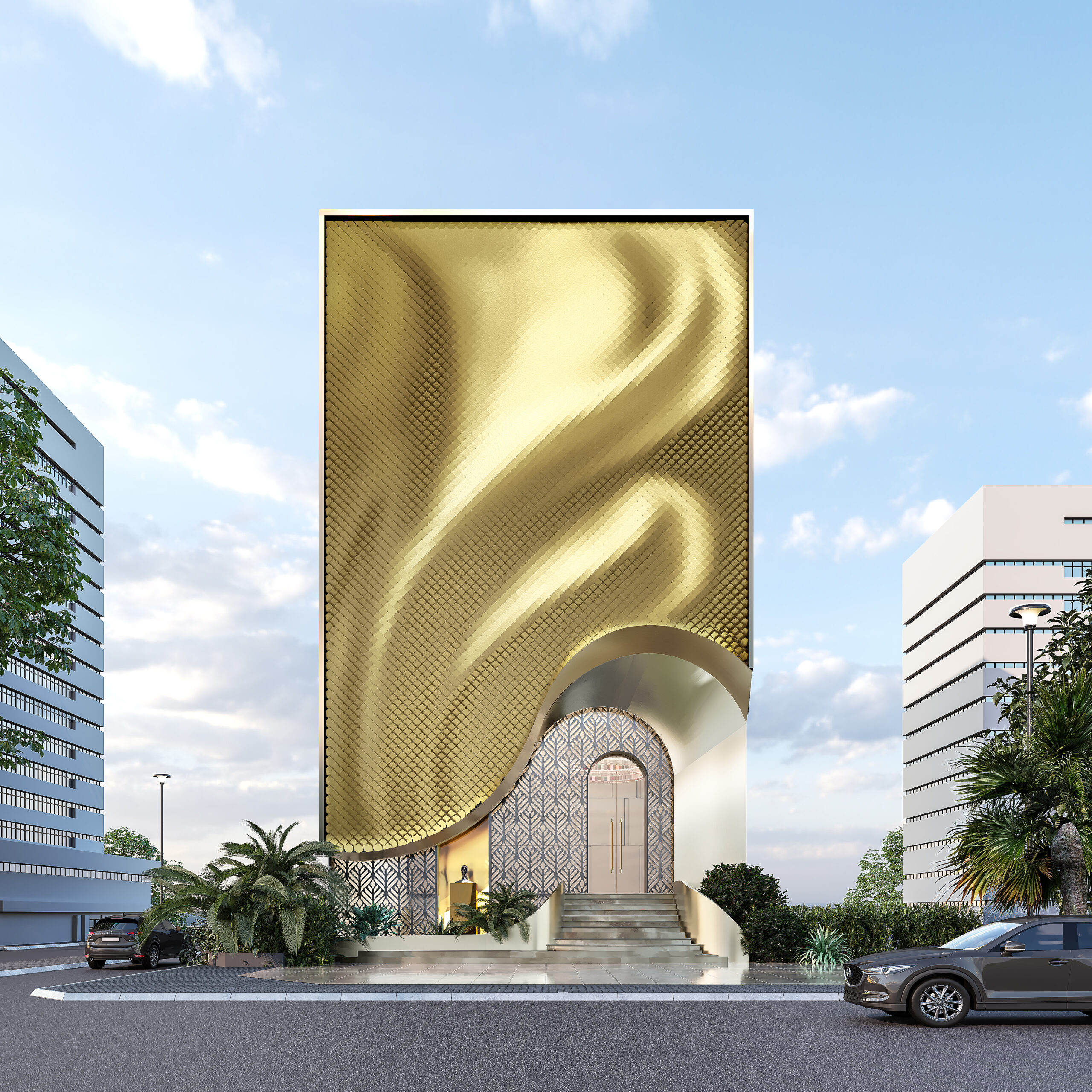
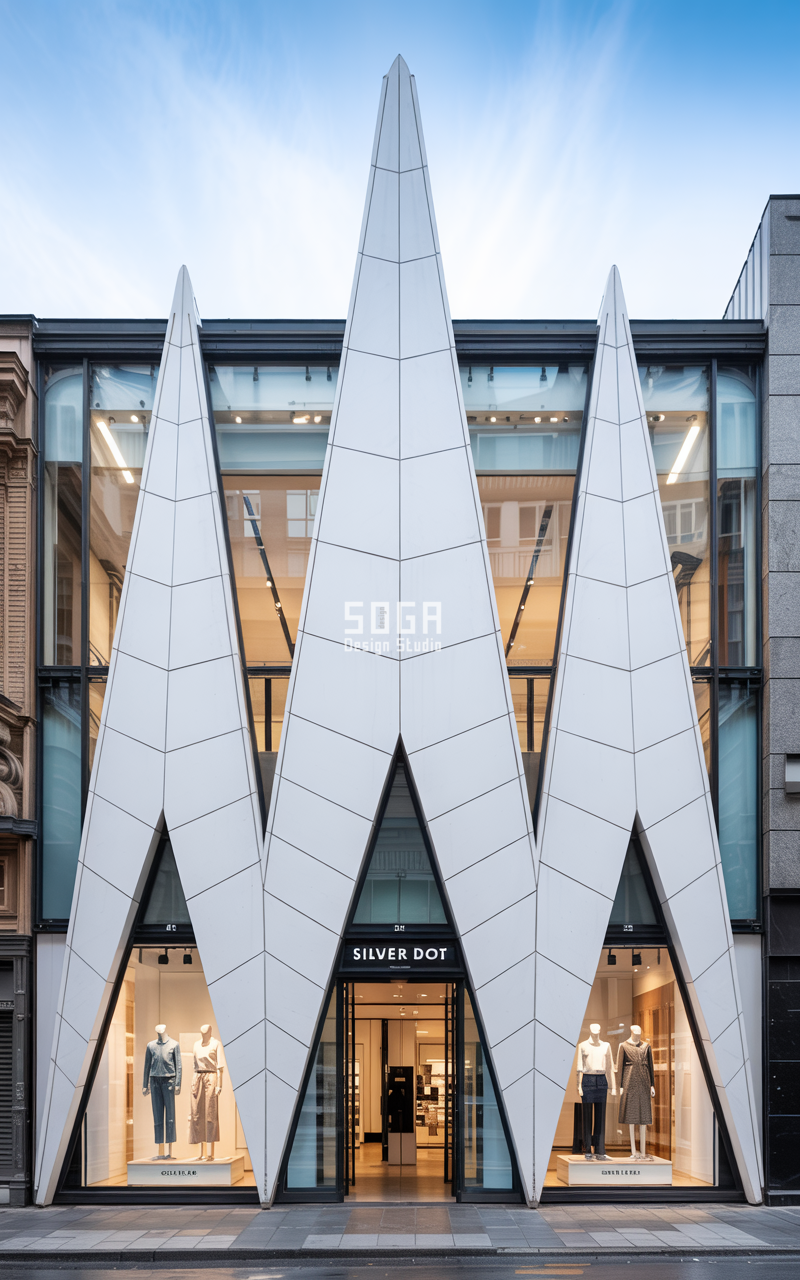
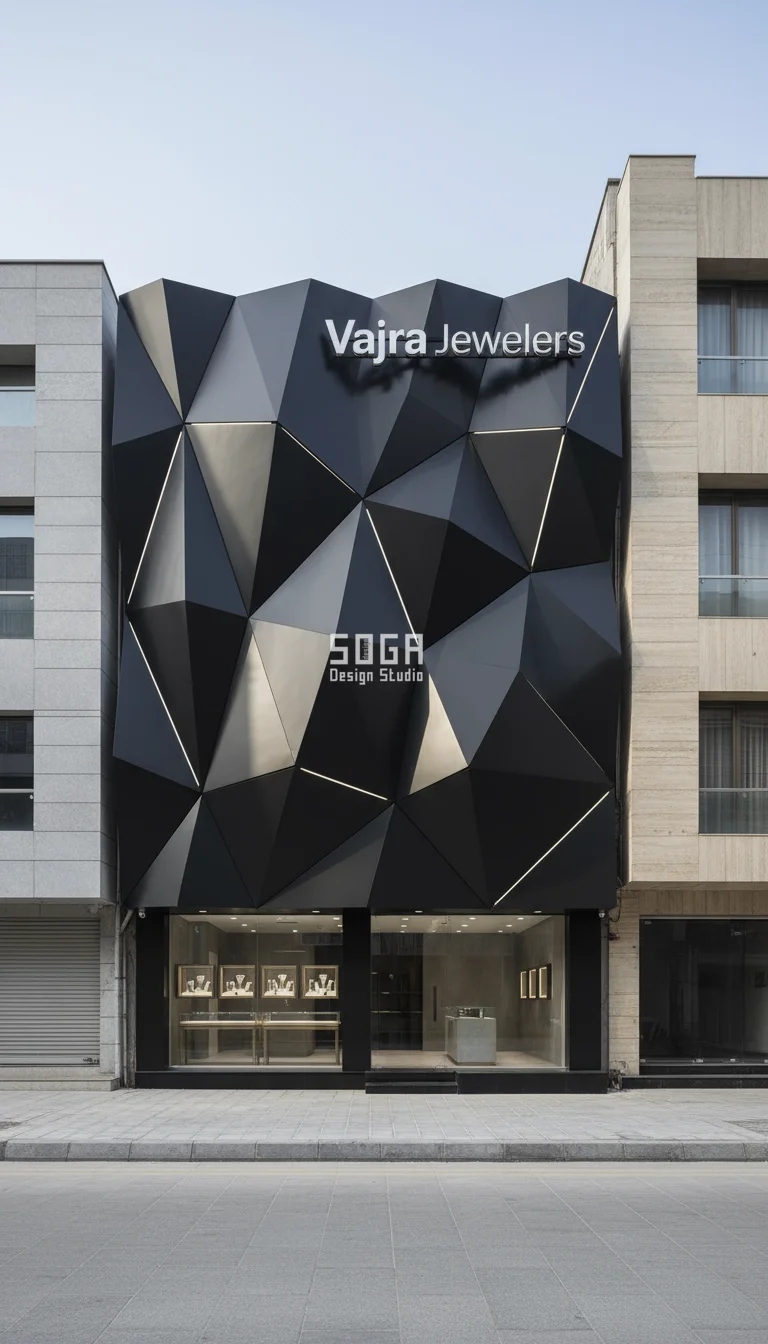
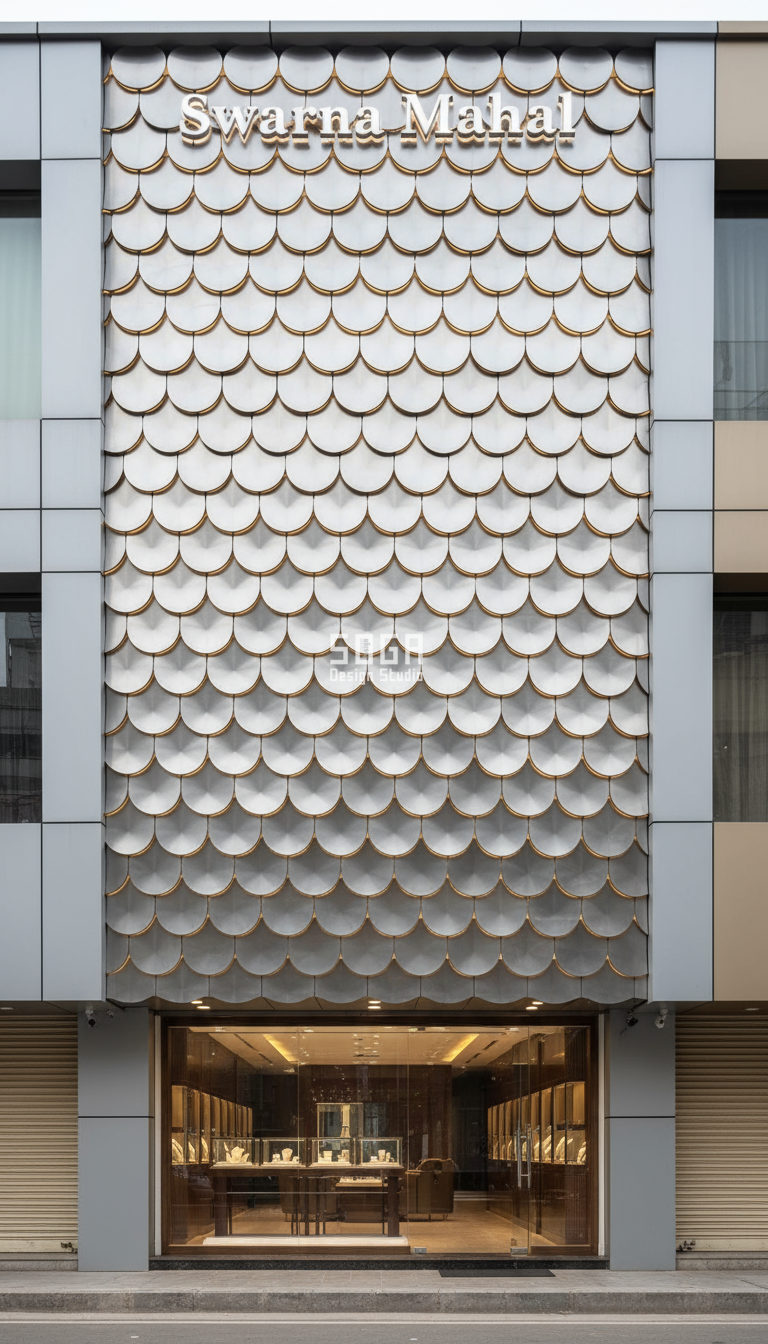
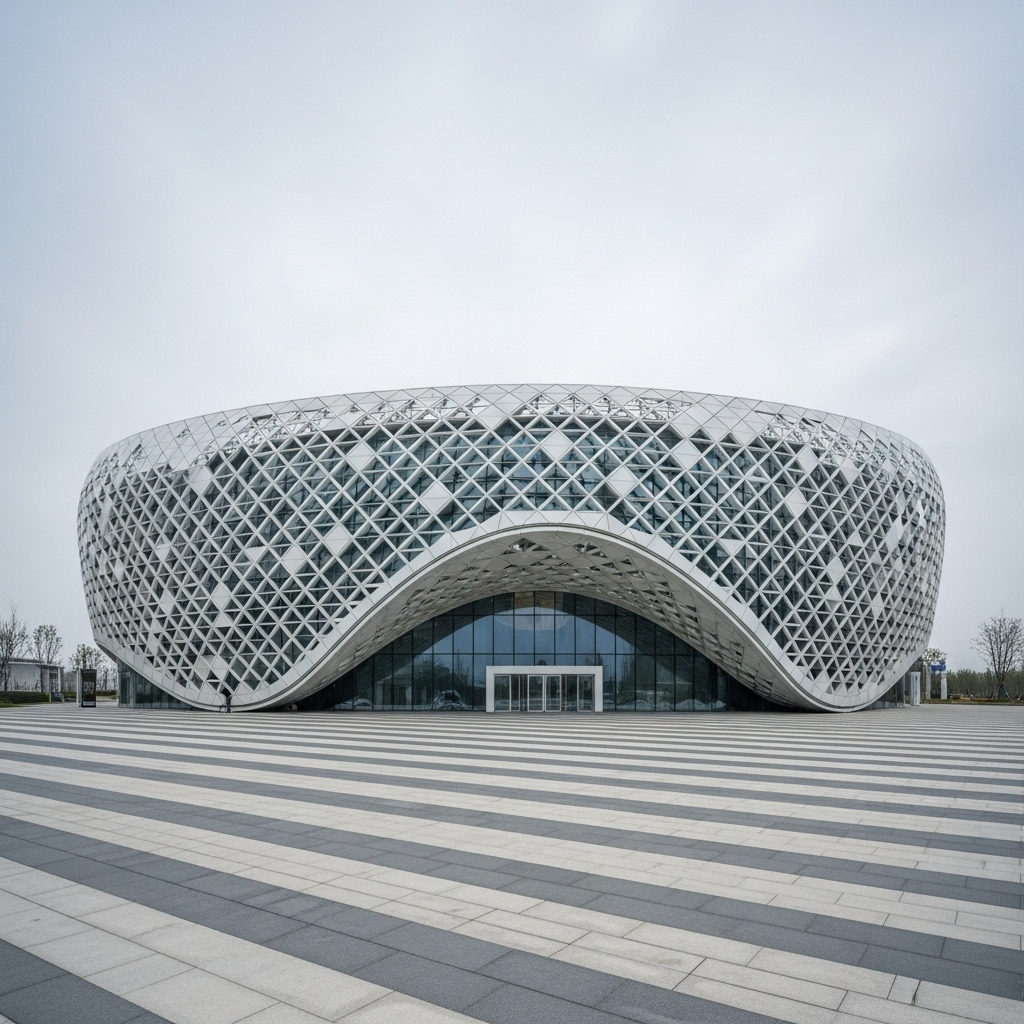
Parametric architecture is transforming India’s facade design landscape through innovative computational design approaches and advanced metal facade solutions. This architectural revolution leverages algorithmic processes to create dynamic, climate-responsive building envelopes that optimize aesthetics, performance, and sustainability. From commercial towers in metropolitan cities to residential complexes, parametric design is enabling architects to develop custom facade solutions […]

PARAMETRIC ARCHITECTURE IN INDIA: WHY IT’S SHAPING THE FUTURE OF FACADE DESIGN Read More »

a v jains 1

How Architects Are Innovating Indian Architecture With Parametric Design

Introduction India’s architectural landscape is undergoing a revolutionary transformation, driven by the innovative application of parametric design. This cutting-edge approach, which uses algorithmic thinking and computational tools to generate complex geometric forms, is reshaping how architects conceptualize and execute building facades, particularly in metal and parametric facade design. India’s architectural landscape is undergoing a revolutionary

How Architects Are Innovating Indian Architecture With Parametric Design Read More »

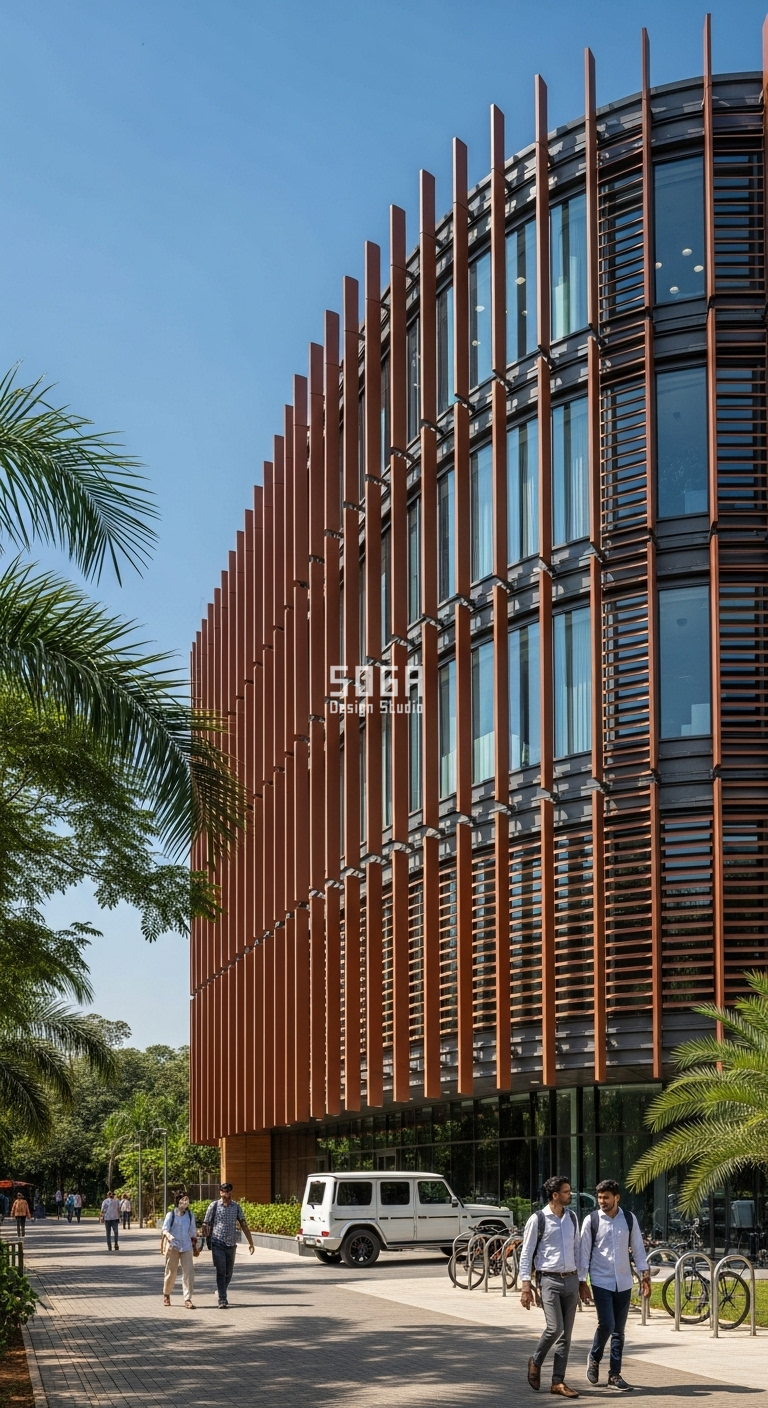
Vista Apartment parametric facade Jaipur by Soga Design Studio

Vista Apartment Facade Design | Parametric Inspiration in Jaipur, Rajasthan

Vista Apartment in Jaipur, Rajasthan stands as a prime example of advanced parametric facade design and the forward-thinking vision of Soga Design Studio. This striking residential building features dynamic facade geometry, created through cutting-edge parametric algorithms to blend architectural beauty with environmental efficiency. Layered louvers and responsive design elements deliver effective shading and thermal comfort,

Vista Apartment Facade Design | Parametric Inspiration in Jaipur, Rajasthan Read More »

Intelligent Building Systems: IoT and Smart Architecture Integration

Intelligent building systems represent the next evolution of architecture, integrating IoT sensors, automated controls, and data-driven platforms to create responsive, energy-efficient, and user-centric environments. By connecting HVAC, lighting, security, water, and occupancy systems through real-time data, smart buildings can reduce energy consumption by 20–40%, enhance comfort through personalized environmental settings, and prevent failures through predictive maintenance. While challenges such as cybersecurity, system integration, and vendor coordination remain, scalable solutions and wireless retrofit technologies enable both new and existing buildings to embrace smart automation. India’s Smart World Trade Center in Navi Mumbai exemplifies this potential, operating with over 10,000 IoT sensors to monitor air quality, energy, water, and occupancy, achieving 30% energy savings and LEED Platinum certification. As organizations adopt intelligent building systems, the most effective strategy is to begin with high-impact applications—such as energy management or space optimization—and expand as measurable ROI and operational readiness grow.

Intelligent Building Systems: IoT and Smart Architecture Integration Read More »

Mass Timber Construction: The Future of Sustainable High-Rise Buildings

Mass timber construction represents a revolutionary shift in sustainable building practices, enabling wooden structures to reach heights previously reserved for steel and concrete. Engineered wood products like cross-laminated timber (CLT) and glulam combine renewable materials with advanced manufacturing to deliver strong, lightweight, carbon-sequestering building systems for tall structures. Key Insights on Mass Timber Construction: India

Mass Timber Construction: The Future of Sustainable High-Rise Buildings Read More »

Adaptive Reuse in Architecture: Breathing New Life into Historic Buildings

Adaptive reuse transforms obsolete or underutilized structures into vibrant new spaces, preserving cultural heritage while meeting contemporary functional needs. This sustainable approach reduces demolition waste, retains embodied energy, and maintains architectural character while addressing modern urban space demands and economic development goals. Key Insights on Adaptive Reuse: India Context Example:Delhi’s iconic Bikaner House, originally built

Adaptive Reuse in Architecture: Breathing New Life into Historic Buildings Read More »

Modular Construction: Fast-Track Building Solutions for Modern Projects

Modular construction represents a paradigm shift in building delivery, where prefabricated components are manufactured off-site and assembled on location. This approach dramatically reduces construction timelines, minimizes site disruption, and delivers consistent quality while addressing labor shortages and improving safety standards across the construction industry. Key Insights on Modular Construction: India Context Example:T2 Terminal at Mumbai

Modular Construction: Fast-Track Building Solutions for Modern Projects Read More »

Climate-Responsive Architecture: Designing for India’s Diverse Climate Zones

India’s geographical diversity demands architecture that responds intelligently to varying climatic conditions. From the hot-arid deserts of Rajasthan to the humid tropics of Kerala, climate-responsive design principles help create comfortable, energy-efficient buildings that harmonize with their environment while reducing operational costs. Key Insights on Climate-Responsive Architecture: India Context Example:The Pearl Academy in Jaipur exemplifies climate-responsive

Climate-Responsive Architecture: Designing for India’s Diverse Climate Zones Read More »

Digital Twin Technology in Construction: Transforming Project Delivery

Digital twins represent virtual replicas of physical assets, revolutionizing how construction projects are planned, executed, and maintained. By integrating real-time data with 3D models, digital twin technology enables predictive analytics, streamlined collaboration, and optimized building performance throughout the entire lifecycle. Key Insights on Digital Twin Technology: India Context Example:The Mumbai Trans Harbour Link project utilizes

Digital Twin Technology in Construction: Transforming Project Delivery Read More »

Green Building Materials: A Comprehensive Guide for Modern Architecture

Sustainable construction demands innovative material choices that balance environmental responsibility with structural performance. Modern architects and designers are increasingly turning to eco-friendly building materials that minimize carbon footprints while delivering exceptional durability and aesthetics. Key Insights on Green Building Materials: India Context Example:The Indira Paryavaran Bhawan in New Delhi showcases green building excellence with recycled

Green Building Materials: A Comprehensive Guide for Modern Architecture Read More »

Scroll to Top