Understanding Parametric Design: A Comprehensive Guide
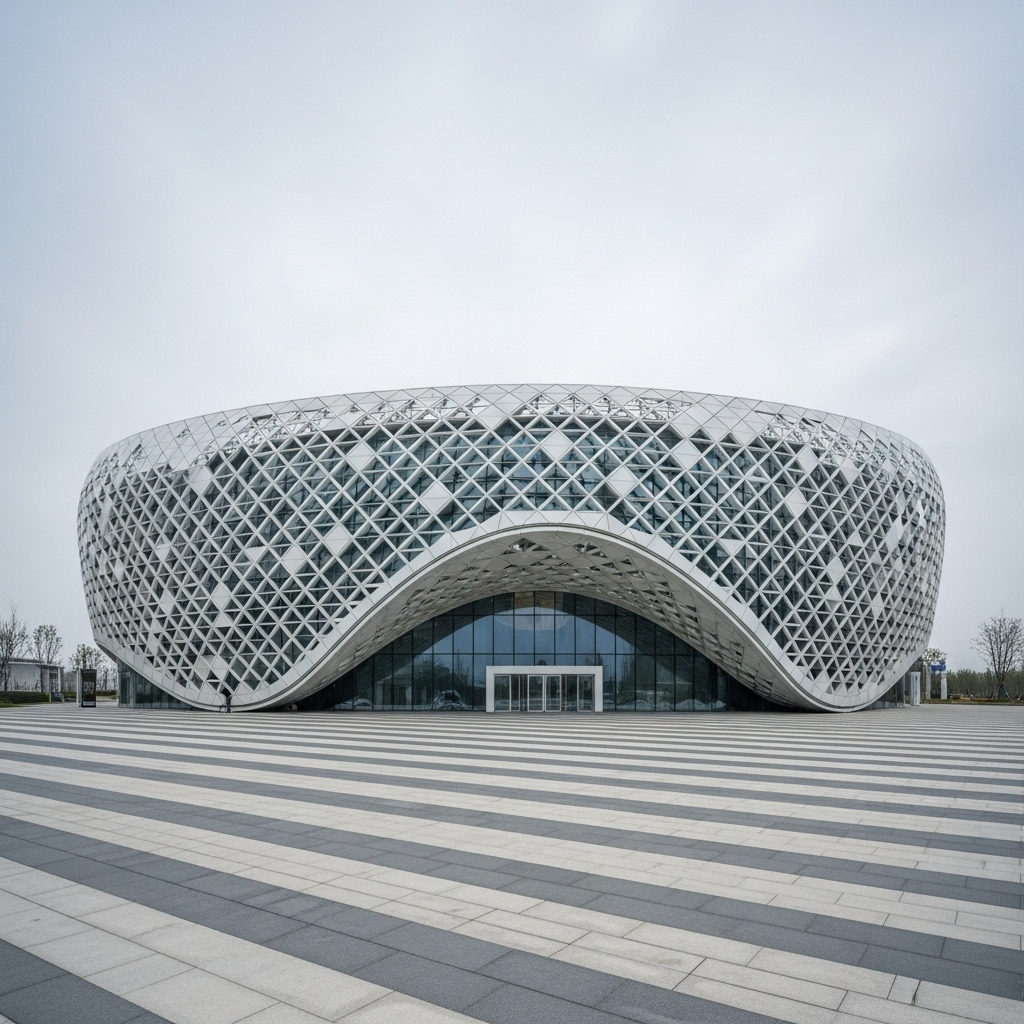
Parametric design is a computational approach that uses adjustable parameters and algorithms to generate adaptive, efficient, and visually complex forms across architecture, engineering, and product design. Evolving from early geometric thinking to today’s advanced tools like Rhino, Grasshopper, and Revit, it allows designers to rapidly iterate, optimize performance, and create geometries that would be impossible through traditional methods. Its applications range from iconic buildings like the Eden Project and Beijing’s Bird’s Nest to aerospace components and automotive design, offering benefits in sustainability, precision, and customization. While it demands technical skill and careful coordination, emerging technologies such as AI, generative design, and digital fabrication are making parametric design more accessible and influential, shaping the future of modern design practice.
Understanding Parametric Design: A Comprehensive Guide Read More »