Parametric Facades in Architecture: All You Need to Know
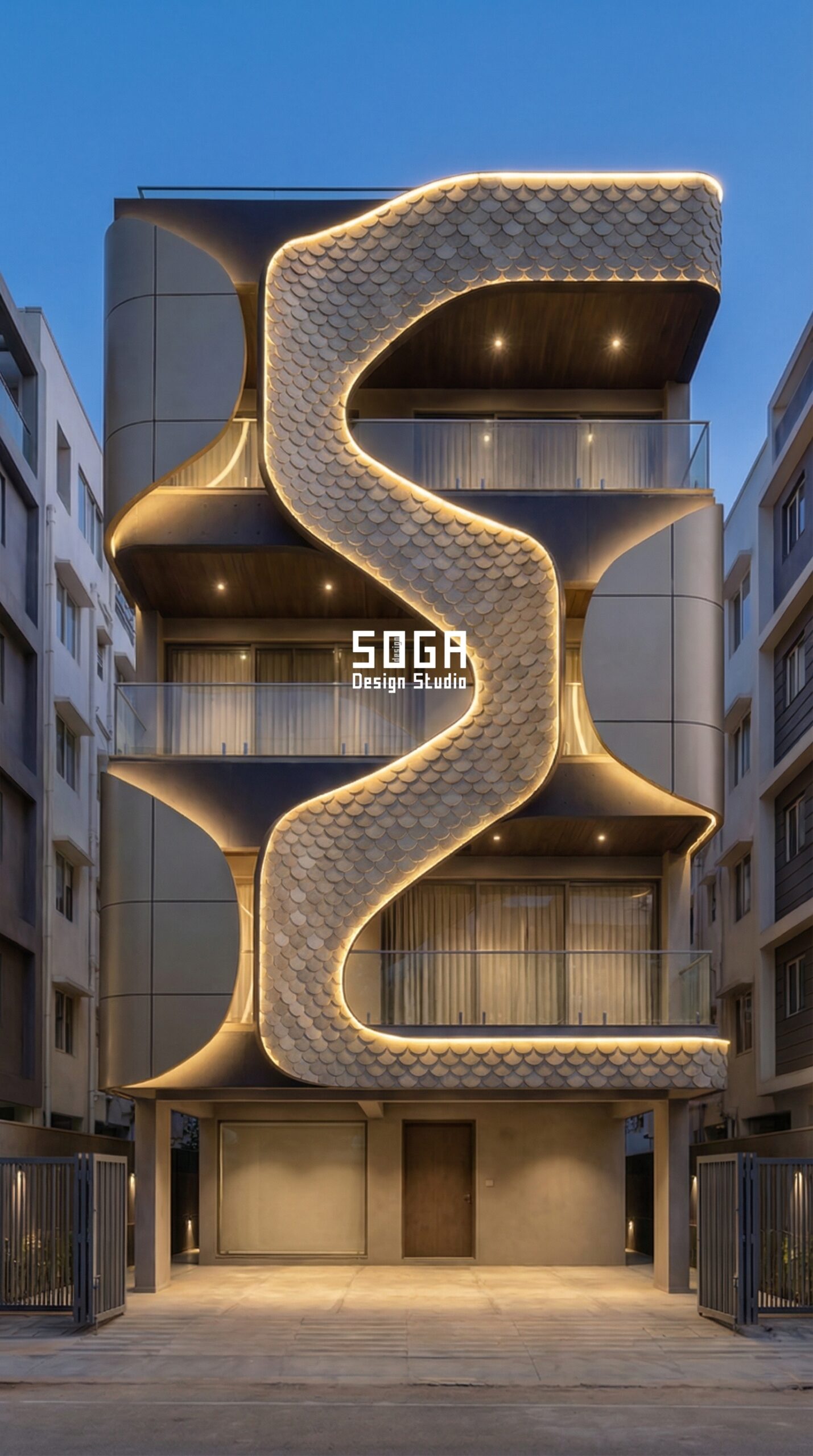
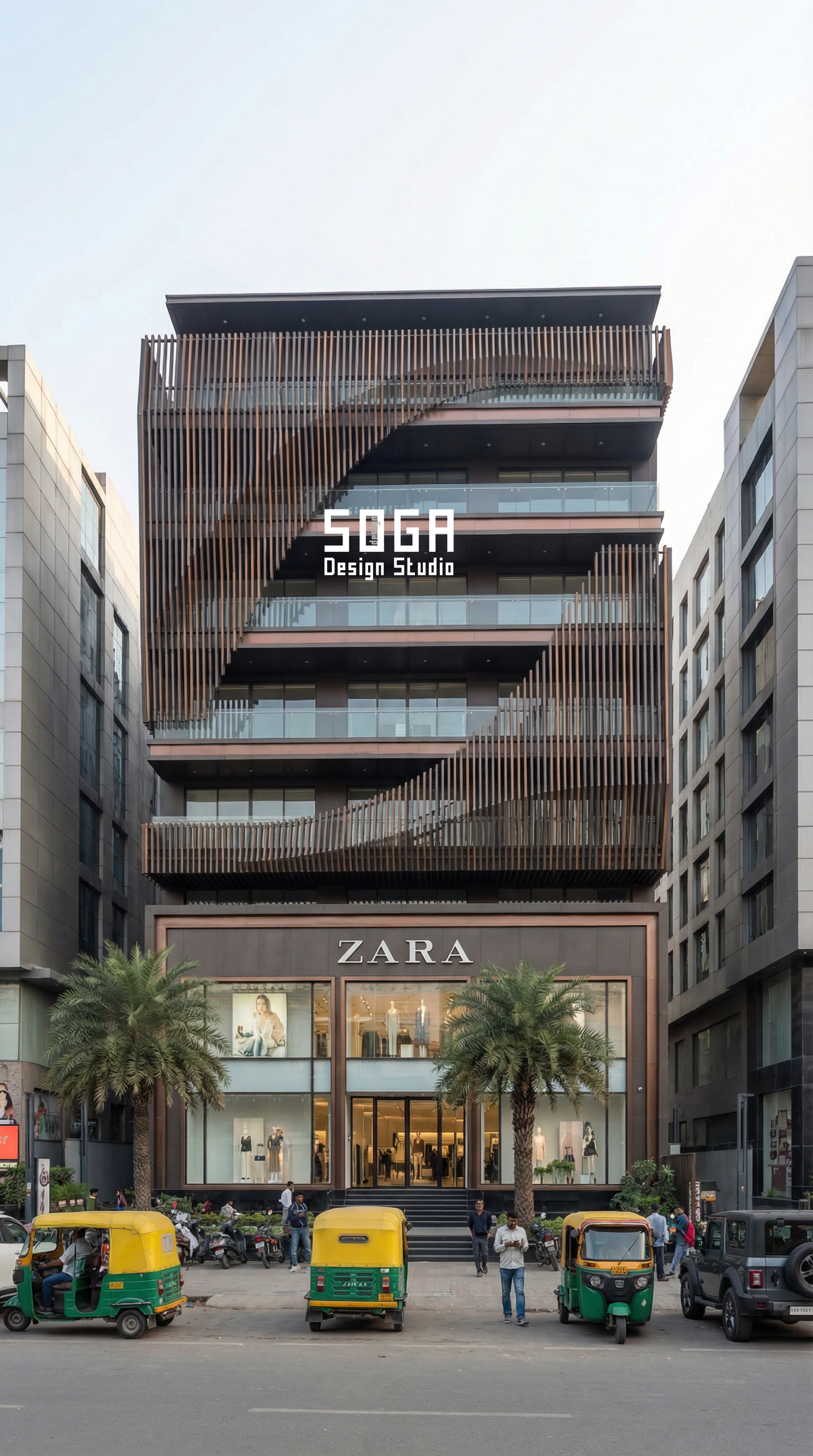
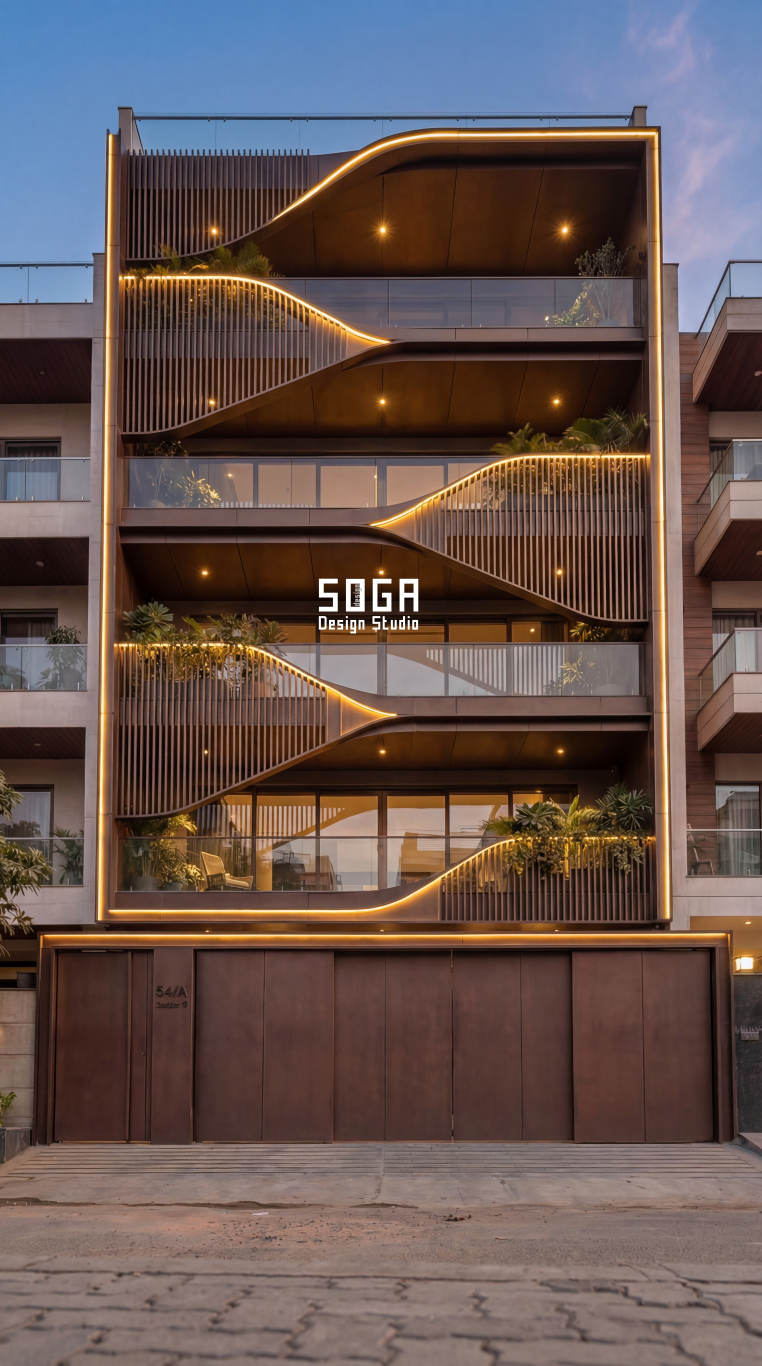
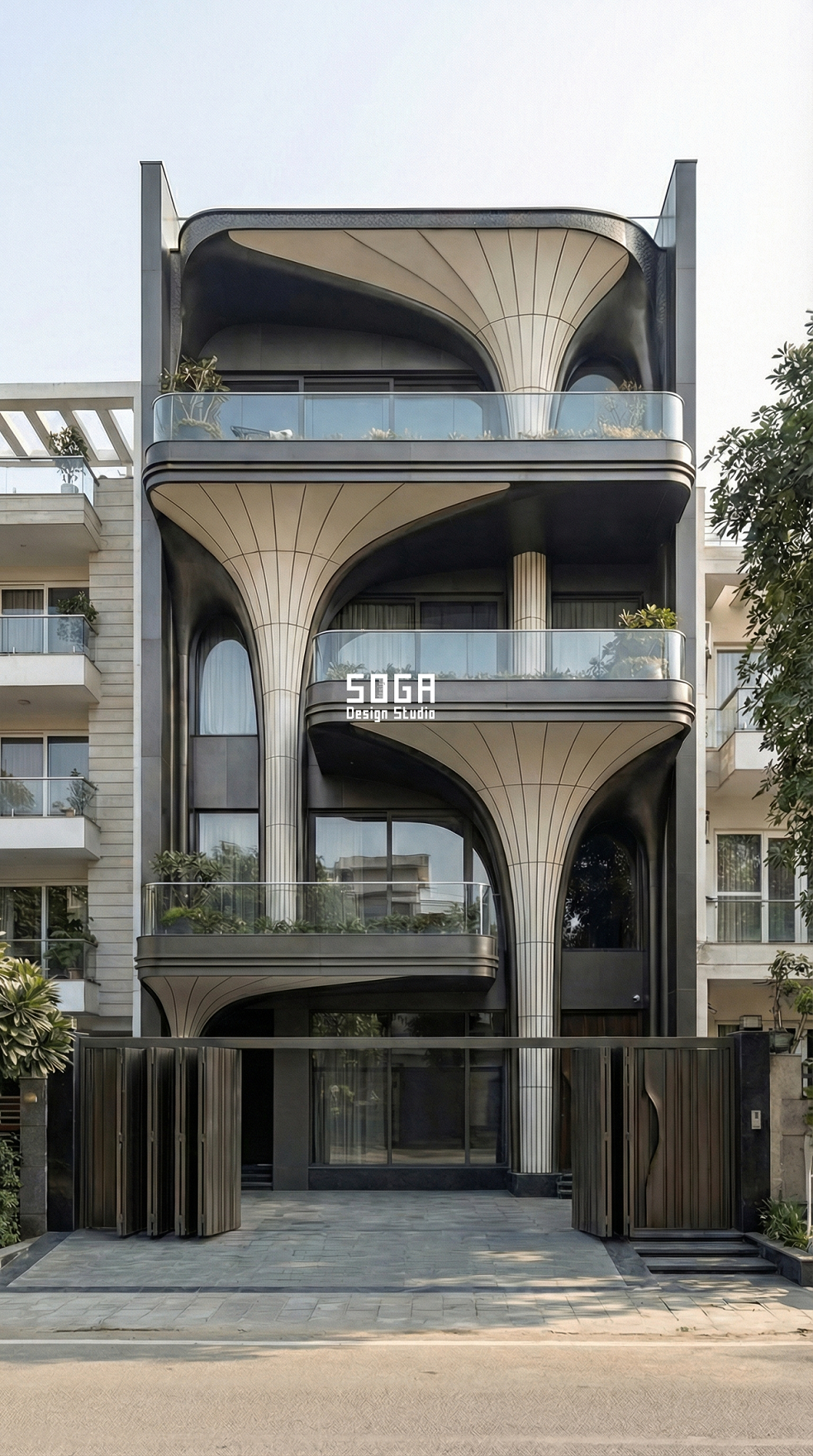
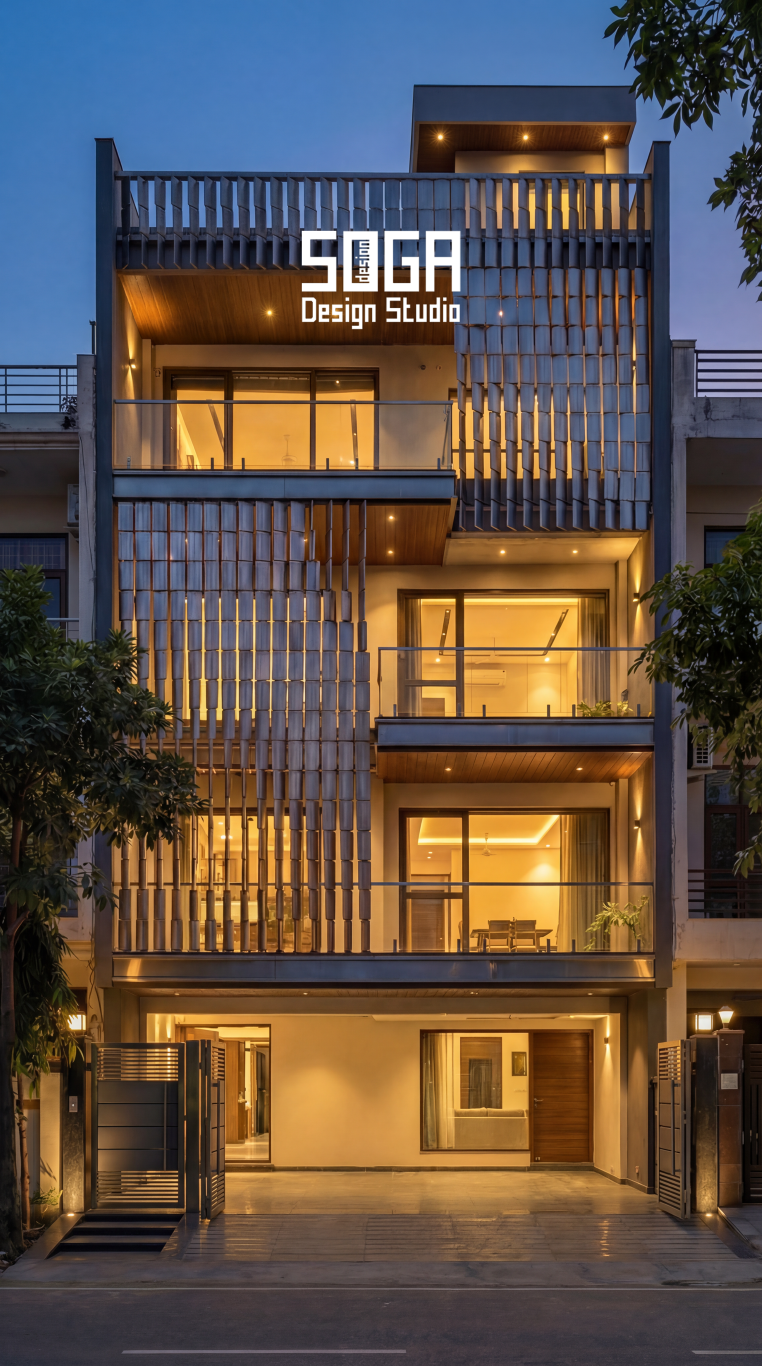
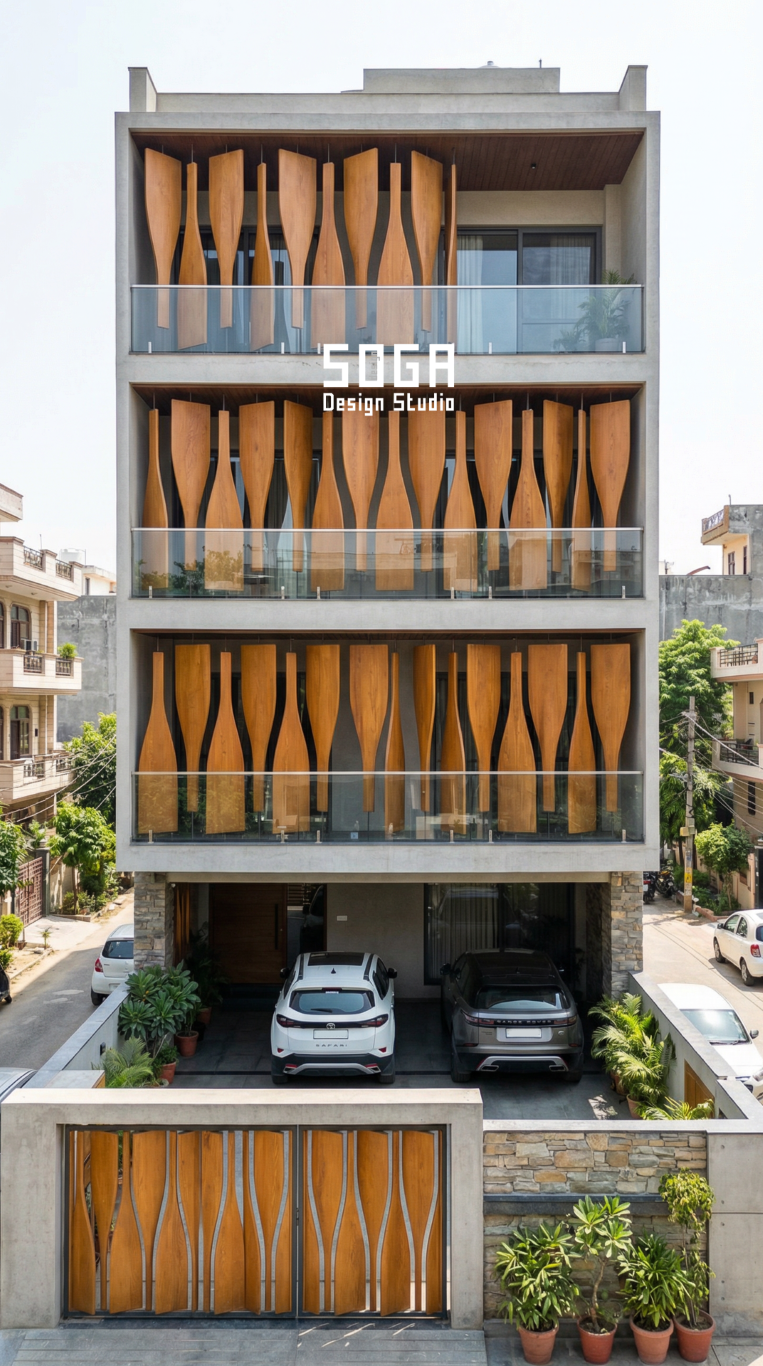
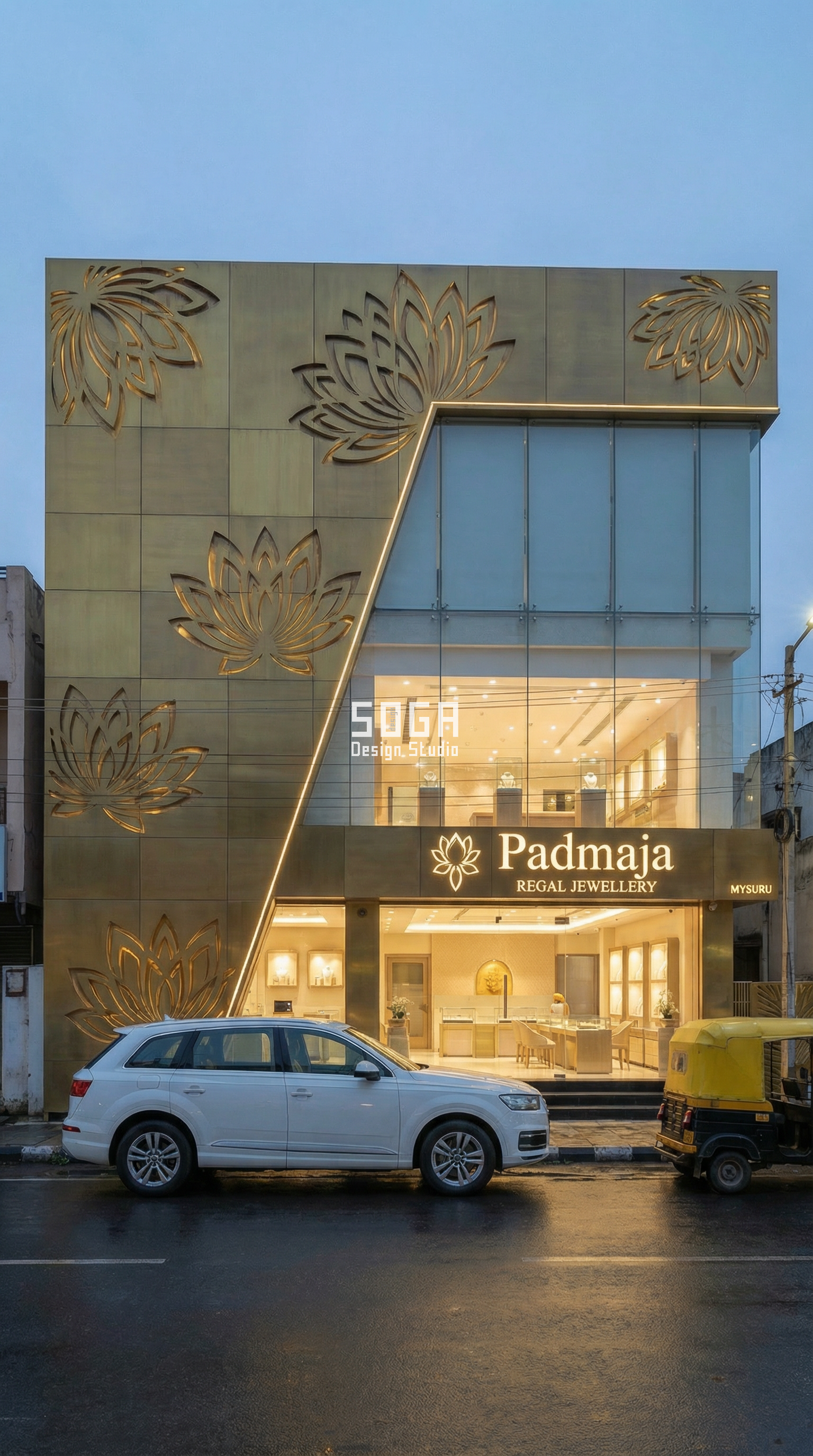
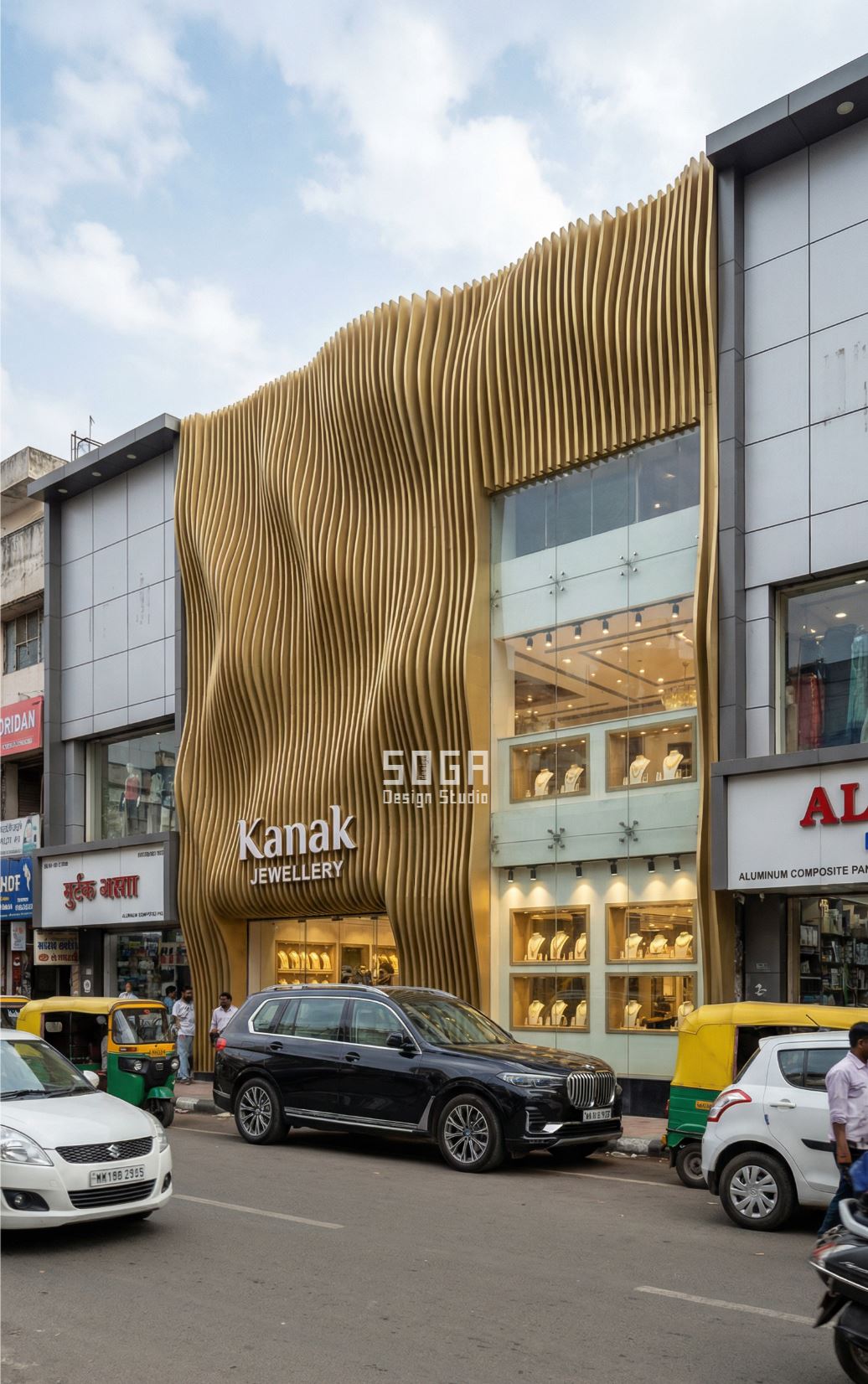
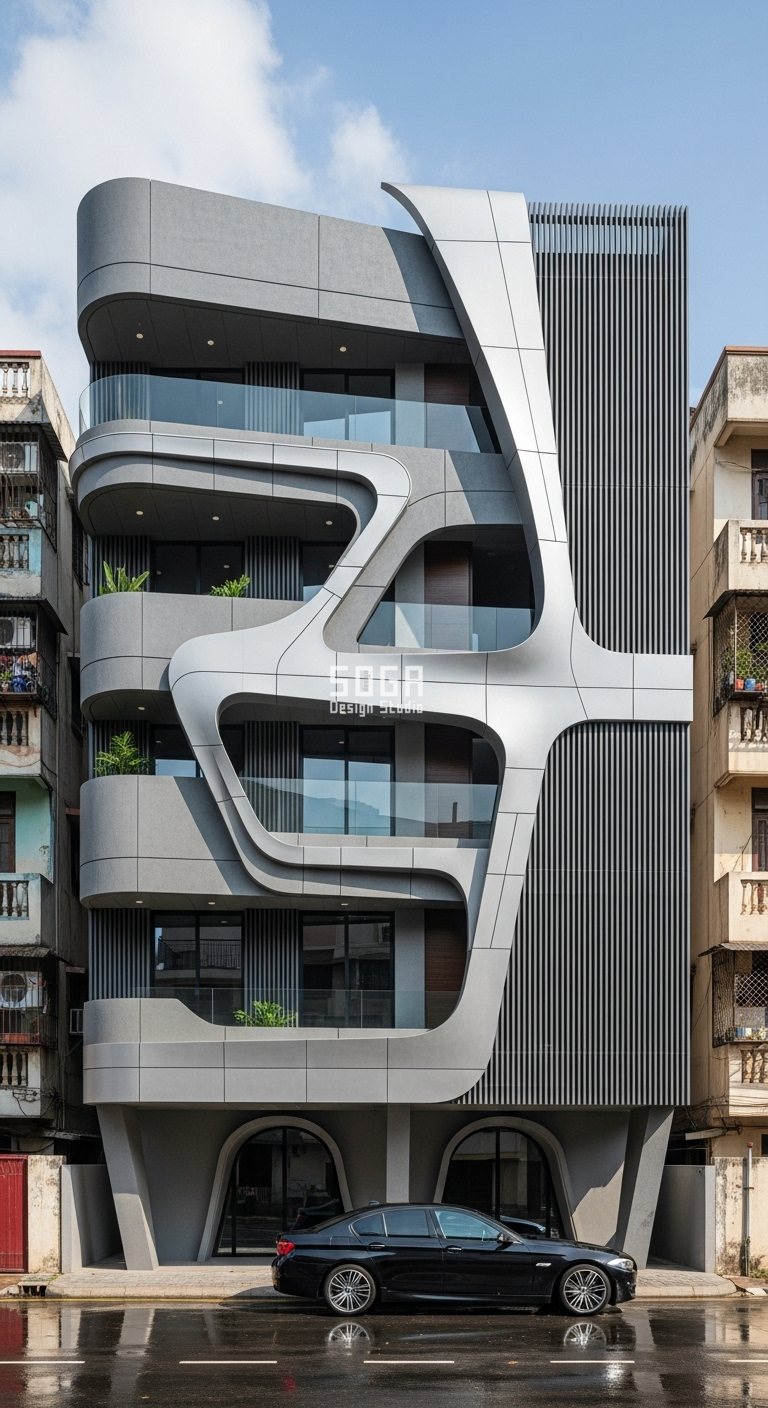
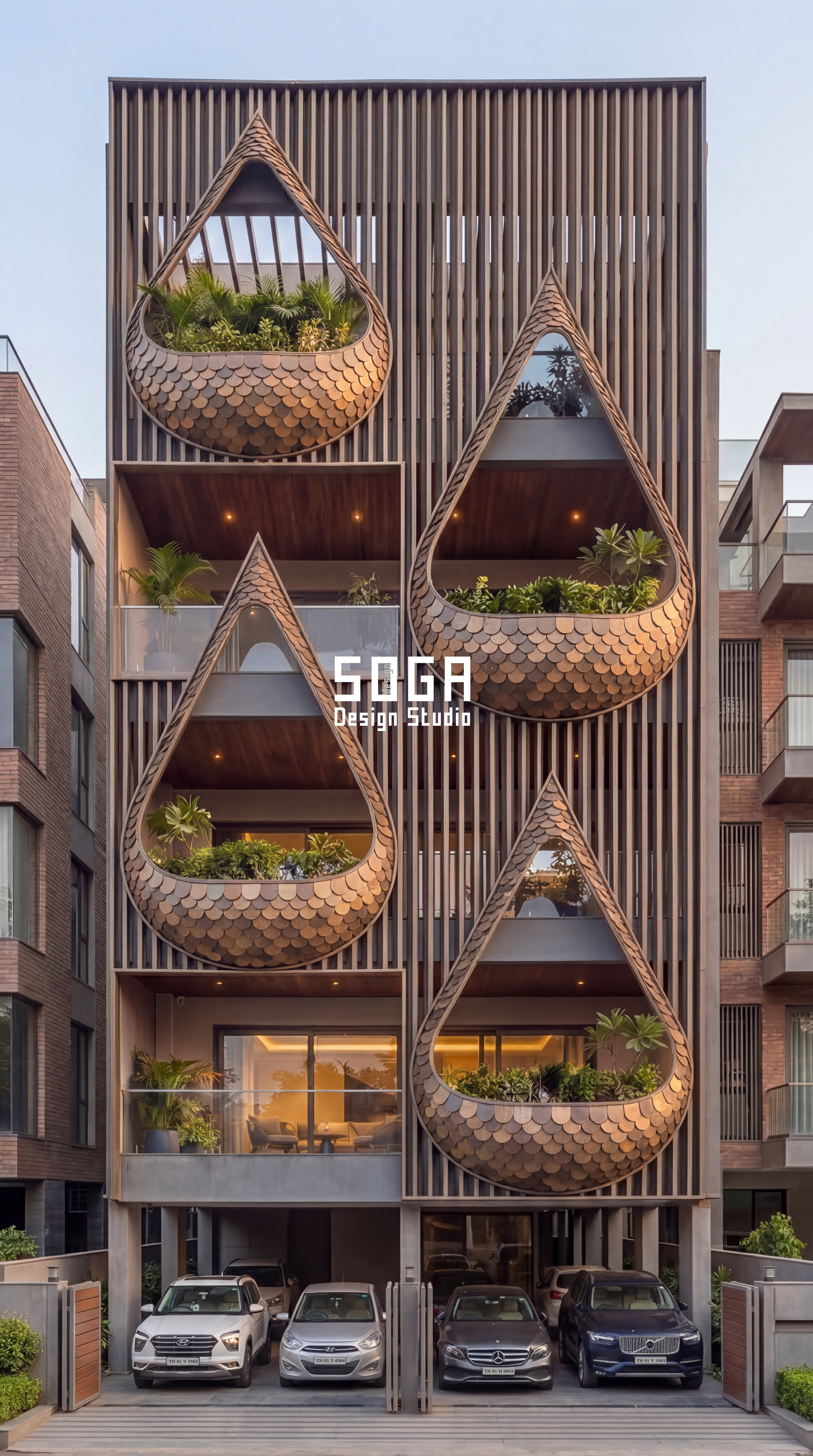
Parametric facades mark a fundamental shift in architecture, moving from fixed, static skins to intelligent building envelopes that respond to environment, performance, and identity. Driven by computational tools like Rhino, Grasshopper, BIM, and digital fabrication, these systems use algorithms and data to generate complex yet buildable geometries that optimize light, ventilation, shading, and material use. From international precedents like the Heydar Aliyev Center and Al Bahr Towers to Indian applications such as SAVYA Hotel Kolkata, Ramo Jewel, Vajra Jewellers, Ratnadeep Gems, Shubhlaxmi Ratna, Shreyas Jewellers, Silver Dots, and other projects by studios like SOGA Design Studio, parametric facades demonstrate how responsiveness, adaptability, and dynamic performance can coexist with strong aesthetics and brand presence. They enable energy-efficient, climate-responsive, highly customized designs that turn buildings into landmarks, while also introducing new challenges in skills, cost, regulation, and fabrication that demand careful coordination and technical expertise. As climate change, urban density, and sustainability targets intensify, emerging technologies such as AI-driven optimization, smart sensors, and advanced fabrication will push parametric facades even further, positioning them not as a passing trend but as a transformative, future-facing approach to contemporary architecture.
Parametric Facades in Architecture: All You Need to Know Read More »