Smart buildings integrate Internet of Things (IoT) technologies with architectural design to create responsive, efficient, and user-centric environments. By connecting sensors, actuators, and control systems, intelligent building platforms optimize energy consumption, enhance occupant comfort, and enable predictive maintenance across residential, commercial, and institutional structures.
Key Insights on Intelligent Building Systems:
- Energy Management: Real-time monitoring and automated controls adjust HVAC, lighting, and equipment based on occupancy patterns, reducing energy consumption by 20-40%.
- Occupant Experience: Personalized environmental controls, automated booking systems, and wayfinding apps improve user comfort and productivity in commercial spaces.
- Predictive Maintenance: IoT sensors monitor equipment performance and predict failures before they occur, reducing downtime and extending system lifespans.
- Data Security Concerns: Connected building systems require robust cybersecurity measures to protect sensitive operational data and prevent unauthorized access.
- Integration Complexity: Successful implementation demands coordination among multiple vendors, open protocols, and scalable platforms that avoid technology lock-in.
- Retrofit Opportunities: Many existing buildings can be upgraded with wireless sensors and cloud-based platforms without extensive infrastructure modifications.
India Context Example:
The Smart World Trade Center in Navi Mumbai incorporates comprehensive building management systems with over 10,000 IoT sensors monitoring energy, water, air quality, and occupancy. The integrated platform has achieved 30% energy savings and LEED Platinum certification through intelligent automation.
Practical Conclusion:
Intelligent building systems deliver measurable operational benefits but require careful planning of data architecture, vendor selection, and maintenance protocols. Start with focused pilot applications in high-value areas like energy management or space utilization, then expand based on demonstrated ROI and organizational capacity to manage connected systems effectively.
Reference: International Facility Management Association
What Intelligent Building Systems Are
Intelligent building systems use sensors, controls and the Internet of Things (IoT) to let a building monitor and manage itself — lighting, cooling, security, energy and even facades responding automatically to occupancy, weather and time of day. The goal is a building that is more comfortable, more efficient and cheaper to run, because it adapts instead of running at a fixed setting.
Where IoT Adds the Most Value
- Energy management: smart HVAC and lighting cut waste by responding to real occupancy and daylight.
- Comfort: zones are tuned automatically, improving the experience for occupants.
- Maintenance: sensors flag faults early, enabling predictive rather than reactive upkeep.
- Responsive facades: shading and ventilation can adjust to sun and heat in real time.
Smart Facades and Architecture
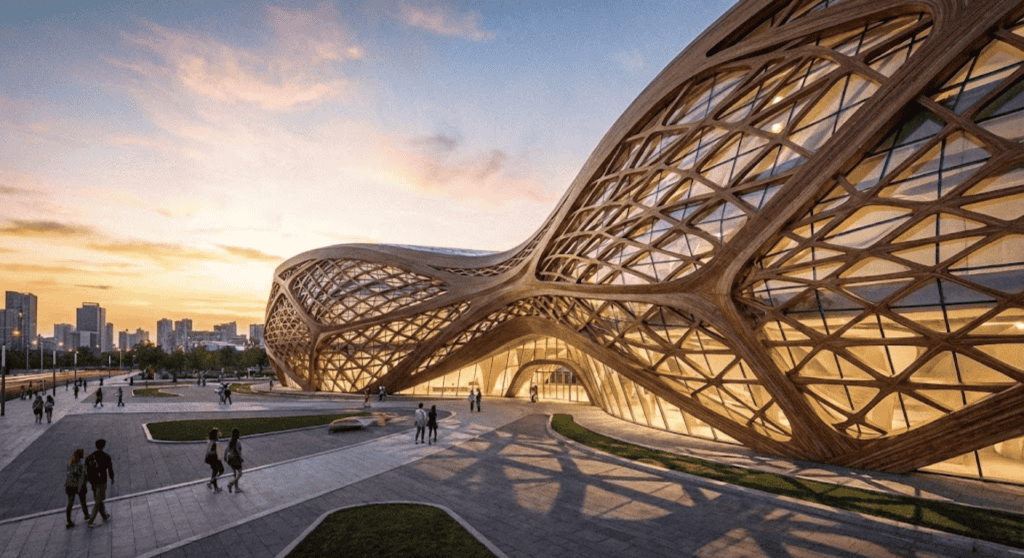
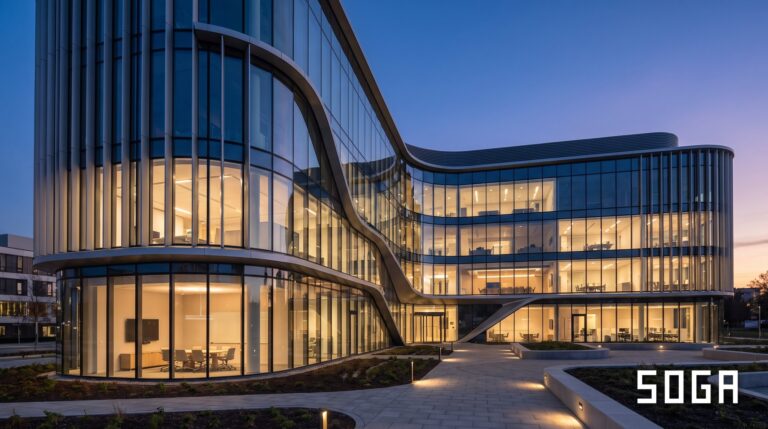
The facade is where intelligent systems and architecture meet most visibly. Kinetic or sensor-driven shading can open and close with the sun, integrated lighting can respond to events, and performance data can feed back into how the building is run. Even a static parametric facade can be paired with smart internal controls to reduce cooling demand dramatically.
Frequently Asked Questions
What does IoT mean in a building? It means connected sensors and devices that share data and act automatically — for lighting, climate, security, energy and facades.
Do smart systems save money? Yes, chiefly through lower energy use and predictive maintenance, which reduce running and repair costs.
Can existing buildings be made intelligent? Many systems can be retrofitted — smart controls, sensors and metering — without rebuilding the structure.