Introduction
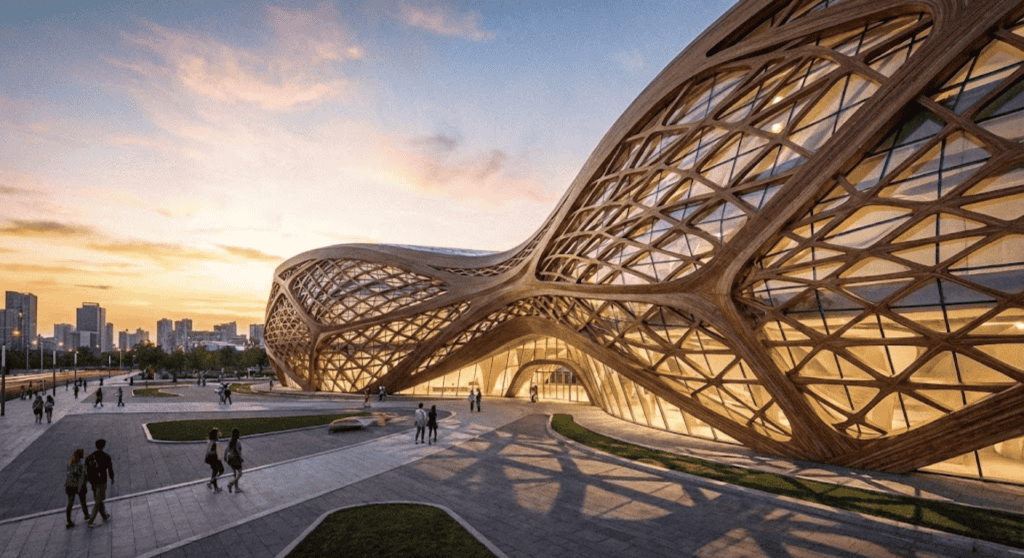
Imagine walking into a building that seems to breathe with its surroundings—walls that curve like ocean waves, facades that shift with sunlight, and structures so organic they feel alive. This isn’t science fiction. It’s the magic of parametric design, a revolutionary approach reshaping how we create everything from skyscrapers to sneakers. But why is everyone suddenly obsessed with it? And why should you care?
Parametric design isn’t just a buzzword—it’s a gateway to limitless creativity. By blending art, mathematics, and technology, it allows designers to solve complex problems in ways that were once unimaginable. And in India, studios like Soga Design Studio are pioneering this movement, making it more accessible and affordable than ever. Let’s dive into why this design revolution matters—and how it’s changing the world around us.
Why Parametric Design Is Important
Traditional design methods often rely on rigid blueprints and manual adjustments, limiting innovation. Parametric design flips this script. Instead of static plans, it uses algorithms and variables to generate dynamic, adaptable models. Change one parameter—like material thickness or sunlight exposure—and the entire design evolves automatically. This isn’t just efficiency; it’s a fundamental shift in how we think about creation.
Here’s why it’s a game-changer:
- Sustainability: Optimizes material use, reducing waste by up to 30% in construction projects.
- Complexity Made Simple: Creates intricate geometries (like fractal patterns or fluid shapes) that are impossible to draft by hand.
- Human-Centric Solutions: Tailors designs to cultural, environmental, or ergonomic needs with precision.
In a country like India, where rapid urbanization meets rich cultural heritage, parametric design bridges tradition and futurism. Studios like Soga Design Studio are leveraging this to craft spaces that honor local aesthetics while embracing cutting-edge technology.
Key Benefits of Parametric Design
1. Unleashing Creativity Without Limits
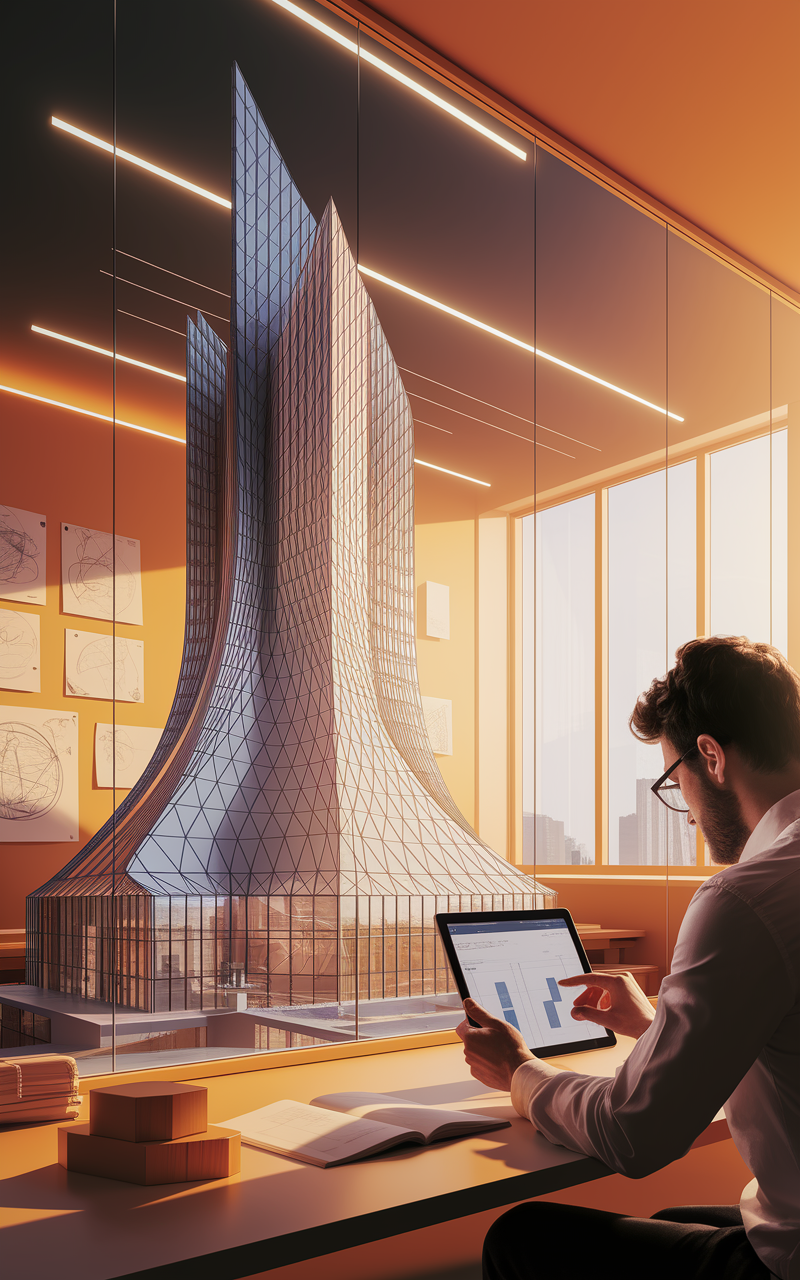
Parametric tools like Rhino’s Grasshopper or Autodesk’s Dynamo act as “digital clay,” letting designers sculpt forms that defy conventional geometry. For instance, the Shanghai Tower—a spiraling marvel that reduces wind resistance by 24%—was born from parametric algorithms.
2. Speed and Precision
Redesigning a structure? Tweak a variable instead of redrawing 100 blueprints. During the pandemic, parametric design helped architects rapidly prototype emergency hospitals, adapting layouts for airflow and safety in hours, not weeks.
3. Cost Efficiency
By simulating scenarios digitally, parametric design minimizes costly trial-and-error.
4. Future-Proofing Cities
From flood-resistant housing in Kerala to solar-efficient office parks in Gujarat, parametric models help India’s urban planners build smarter, resilient cities.
Conclusion: The Future Is Parametric
Parametric design isn’t just a trend—it’s the future of problem-solving. From slashing construction costs to preserving cultural identity through smart design, it empowers us to build a world that’s sustainable, beautiful, and deeply human. And with studios like Soga Design Studio democratizing access across India, this revolution is only beginning.
Ready to join the movement? Share your thoughts below, or explore how parametric design could transform your next project. The blueprint for tomorrow is being written today—don’t just watch the future unfold. Shape it.

Why Parametric Design Is Having a Moment
Parametric design is suddenly everywhere — in iconic airports, jewellery showrooms and even individual homes. The reason is a rare alignment of three things: software that finally made rule-based design approachable, digital fabrication that can actually build the complex results, and clients who want buildings that stand out. What was once experimental is now practical and affordable, and that is why everyone is talking about it.
What Changed
- Accessible tools: visual programming like Grasshopper removed the coding barrier.
- Digital fabrication: CNC cutting and moulding can produce thousands of unique parts economically.
- Local capability: in markets like India, workshops can now make parametric metal and GFRC panels at competitive cost.
- Demand for identity: brands and homeowners want distinctive, photogenic architecture.
More Than a Trend
It would be easy to dismiss parametric design as a style, but its staying power comes from usefulness: the same rule-based approach that makes a facade look striking also lets it shade glass, control privacy and cut energy use. That combination of beauty and performance is why parametric thinking is becoming a permanent part of mainstream architecture, not a passing fashion.
Frequently Asked Questions
Is parametric design just a visual trend? No. It is a design method; the striking look is a by-product of rule-based design that also improves performance.
Why now and not ten years ago? Software became approachable and digital fabrication became affordable, so complex designs can finally be built economically.
Is it relevant for ordinary buildings? Yes — it is increasingly used for homes, showrooms and offices, not only landmark projects.