Quick answer: The strongest facade design ideas for 2026 combine a parametric (algorithm-driven) geometry with a high-performance material — GFRC, perforated aluminium (jali), 3D panels or glass — chosen for the local climate. For Indian homes, offices and commercial buildings, the winning facades in 2026 are sculptural, energy-smart and low-maintenance rather than flat and decorative.
A building’s facade is the first — and longest — conversation it has with the street. In 2026, that conversation is getting smarter. Across India, homeowners, architects and developers are moving away from flat, applied “elevation” decoration toward facades designed as systems: parametric geometry, engineered materials, daylight control and identity, all working together.
At SOGA Design Studio, we design parametric facades where every fin, perforation and fold is generated by an algorithm tuned to sun path, view, privacy and brand. Below are 12 facade design ideas for 2026 — grouped for homes, offices and commercial projects — plus the materials and cost signals you’ll need to make a confident decision.
What makes a great facade in 2026?
Three shifts define this year’s best facades:
- Parametric over decorative. Instead of repeating one motif, the pattern responds — denser where you need shade or privacy, open where you want light and views.
- Performance is the aesthetic. Self-shading fins, ventilated cavities and solar-smart screens cut heat gain — critical for Indian summers — while looking striking.
- Engineered, low-maintenance materials. GFRC, powder-coated aluminium and 3D composite panels deliver sculptural form without the upkeep of paint-and-plaster.
Residential facade design ideas (homes & villas)
1. The parametric second skin
A lightweight aluminium or GFRC screen floats a few inches in front of the wall, casting shifting shadows through the day. It hides AC units and plumbing, adds privacy to bedrooms, and turns a plain G+1 or G+2 house front elevation into a landmark.
2. Contemporary jali (perforated metal screen)
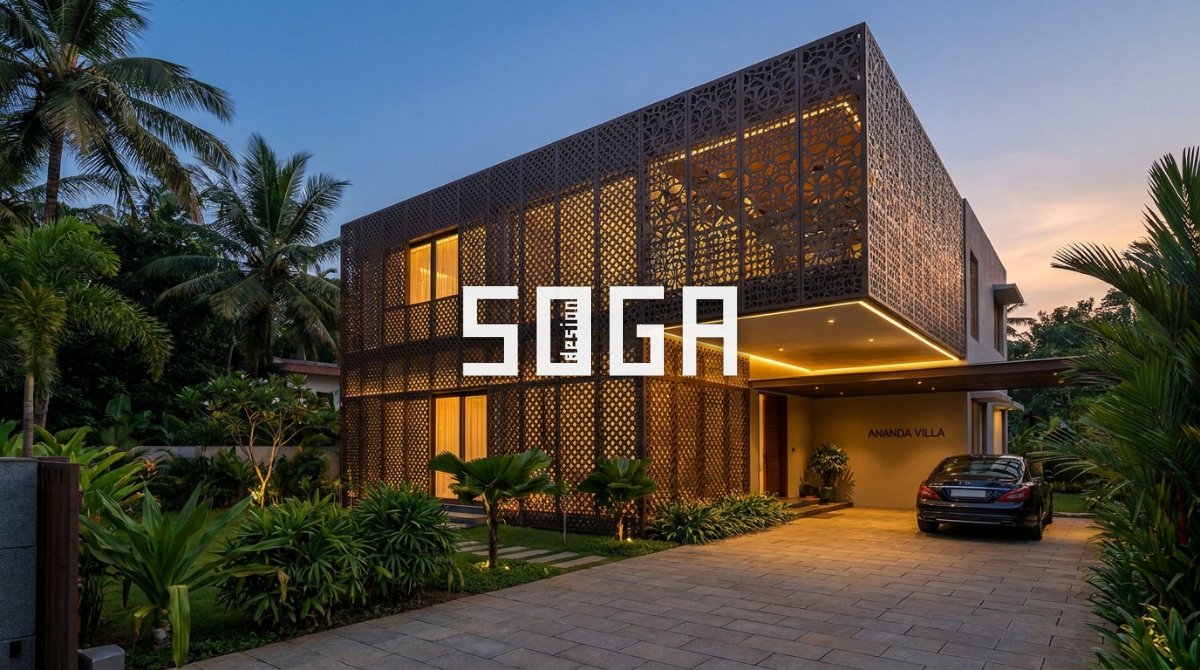
The Indian jali — reinvented in laser-cut aluminium or Corten steel — is the standout residential idea for 2026. A parametric perforation gradient gives privacy at eye level and openness above, cools interiors passively, and reads as pure craft.
3. Layered vertical fins
Slim vertical fins in wood-finish aluminium or GFRC create rhythm and depth, control the low western sun, and make narrow plots look taller and more premium — ideal for row houses and urban villas.
4. Mixed-material composition
The most collected homes of 2026 pair two or three honest materials — exposed concrete or GFRC, timber-look louvres, and stone — in clean parametric bands. Warm, tactile and timeless rather than trendy.
Office & corporate facade design ideas
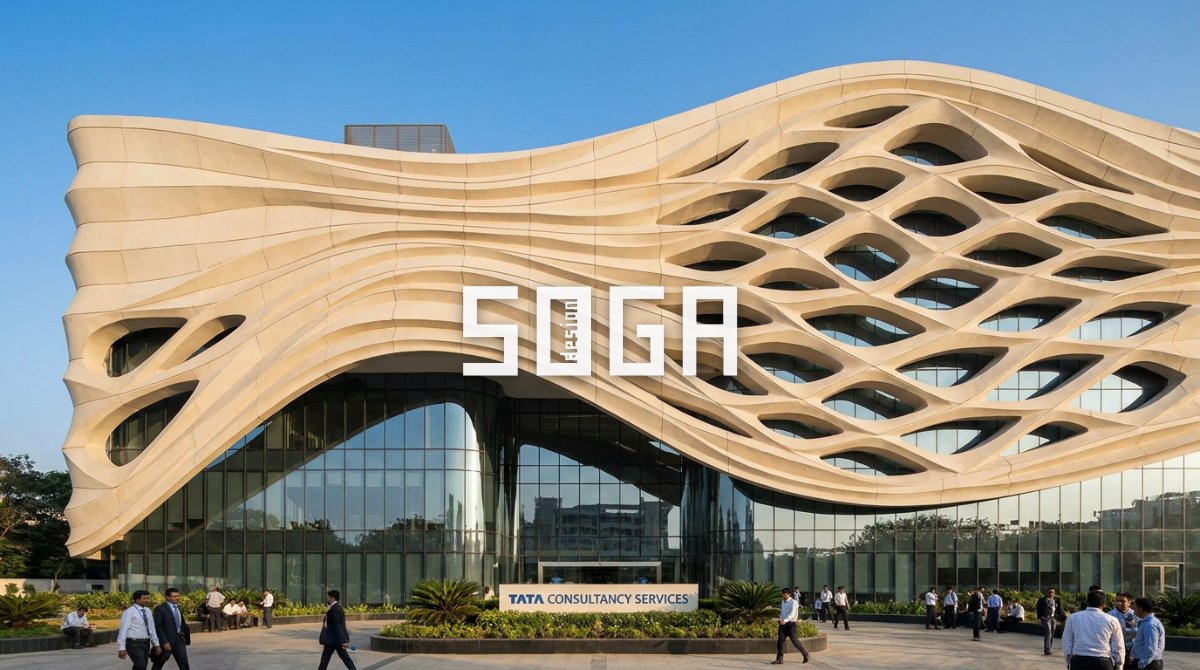
5. Parametric GFRC facade
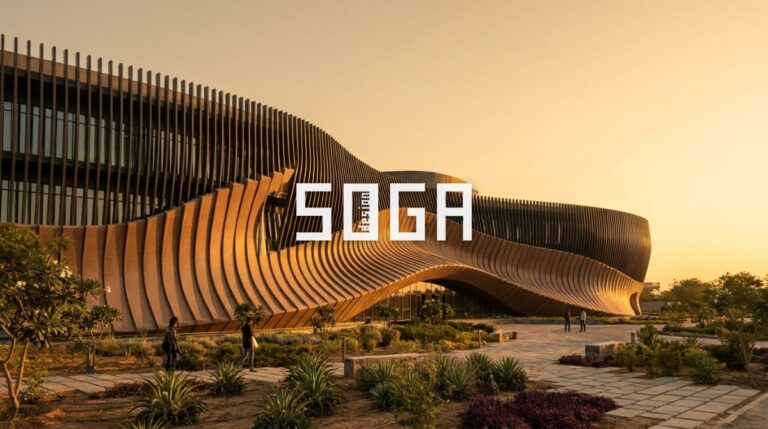
Glass-Fibre Reinforced Concrete is the office material of the moment: it can be cast into deep, sculptural, three-dimensional panels far lighter than precast concrete. A parametric GFRC skin gives a corporate HQ a signature form while genuinely reducing solar load.
6. Glass + self-shading fin system
For workspaces that need daylight and views, pair a unitised glass facade with an outer array of parametric fins angled by orientation — steep on the west, open on the north — so you keep the glazing without the greenhouse effect.
7. Kinetic or louvre facade
Operable louvres and “breathing” facade modules track the sun and add a subtle sense of motion. Even a fixed, parametrically-varied louvre field reads as high-tech and future-ready.
8. Media / lighting-integrated facade
Grazing LED lines tucked behind fins or perforations turn the building into a night-time identity. Designed well (not as a billboard), it makes a corporate address unforgettable after dark.
Commercial & retail facade design ideas
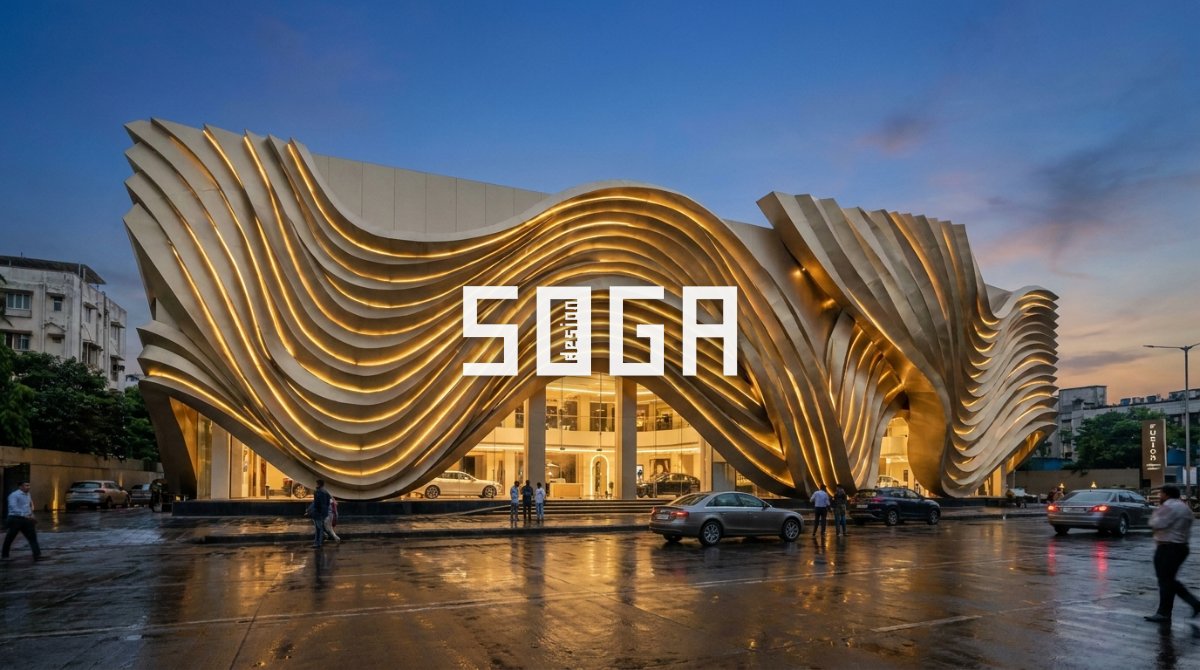
9. Statement showroom facade
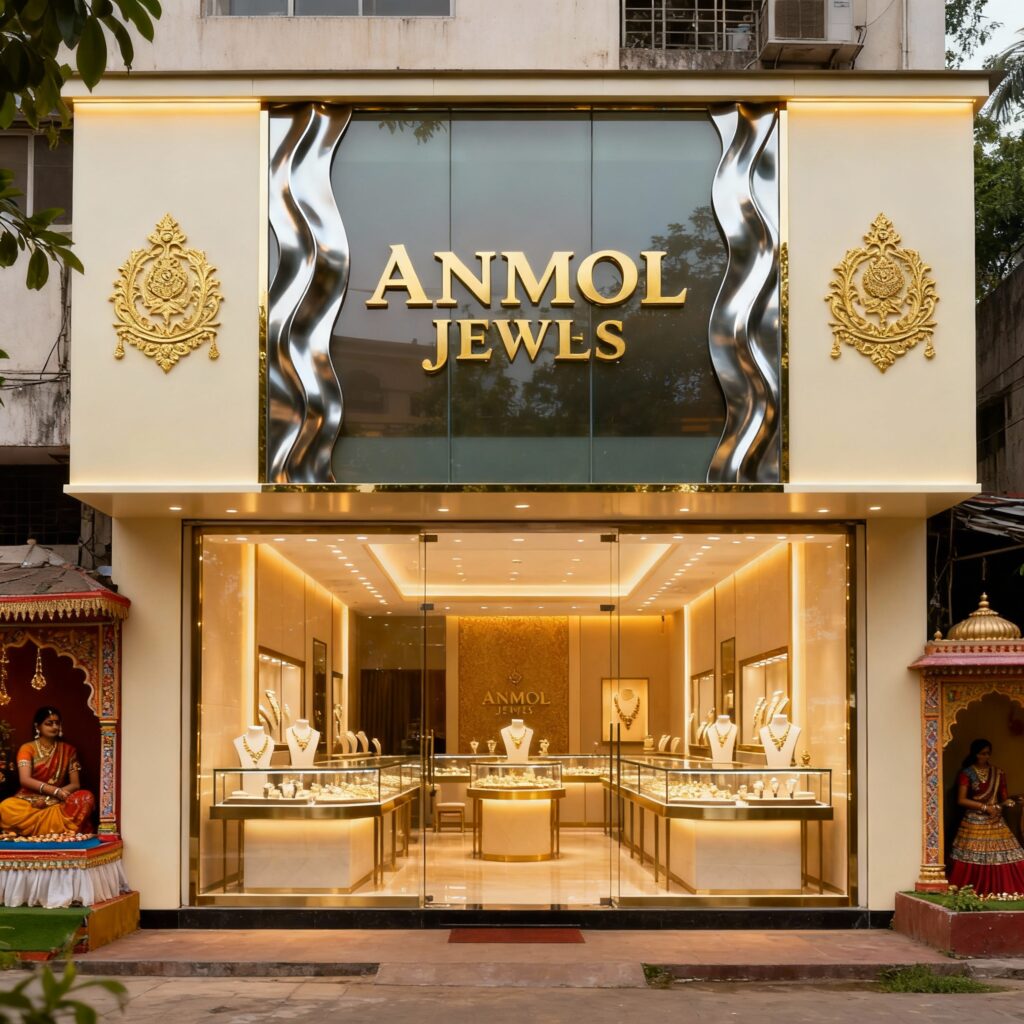
Retail lives and dies on the first three seconds. A single bold parametric gesture — a folded GFRC wave, a flowing metal ribbon — gives a showroom, café or flagship store instant recognition and shareability.
10. Perforated brand facade
Perforate a logo, motif or brand pattern into a metal screen at building scale. It is advertising and architecture at once — powerful for malls, auto showrooms and hospitality.
11. Backlit translucent facade
Translucent stone, resin or polycarbonate panels backlit at night make a commercial block glow — premium, memorable and low-energy with LEDs.
12. Biophilic / green facade
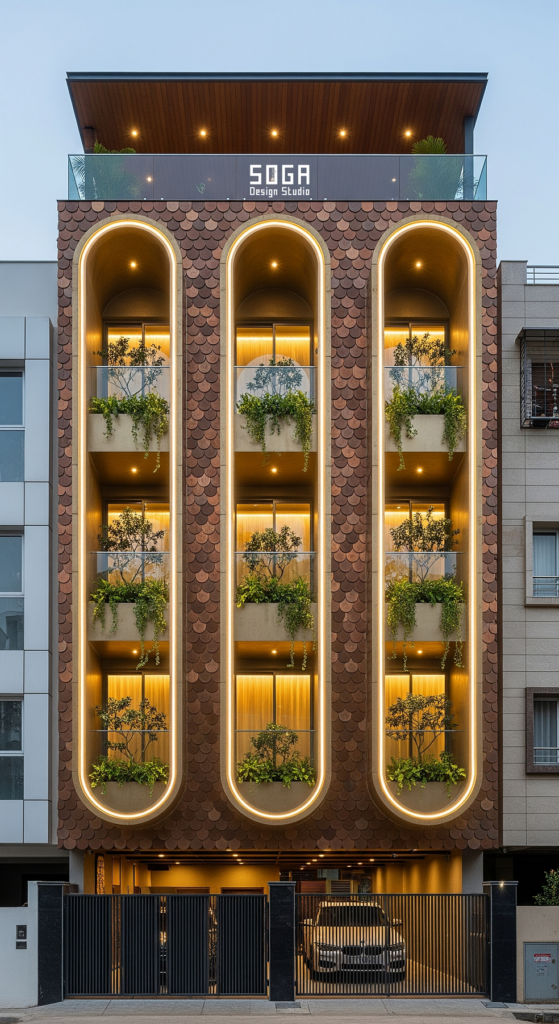
Integrated planters and vertical greenery layered over a parametric frame soften commercial bulk, improve microclimate and read as genuinely sustainable — increasingly expected by tenants and buyers.
Facade materials in 2026: what to use where
| Material | Best for | Why it is chosen in 2026 |
|---|---|---|
| GFRC / GRC | Sculptural 3D panels, offices, showrooms | Lightweight, castable into complex parametric forms, durable, low-maintenance |
| Perforated aluminium | Jali screens, homes, brand facades | Laser-precise patterns, powder-coated colours, passive cooling |
| ACP / composite | Budget commercial, quick cladding | Fast, economical, many finishes (best used sparingly for quality) |
| Glass + fins | Offices, corporate | Daylight and views with solar control |
| Terracotta / stone | Premium residential & institutional | Natural, breathable, ages beautifully |
Facade cost signals in India (2026 ballpark)
Facade cost depends on material, geometry complexity, height and finish — but as a starting reference, GFRC/GRC cladding in India typically starts around ₹300–₹350+ per sq ft for supply, with installed parametric systems costing more as detail and engineering increase. Perforated aluminium jali screens and unitised glass systems sit in their own bands. The right way to budget is to fix your performance goals and material first, then design the parametric pattern to that envelope.
How to choose the right facade for your project
- Start with climate. West and south elevations need shading (fins, jali, deep GFRC). North can be more open or glazed.
- Match material to maintenance. GFRC and powder-coated aluminium age far better than painted plaster in Indian dust and monsoon.
- Let the pattern do a job. Privacy, shade, ventilation, identity — a parametric facade earns its cost when the geometry is functional, not just pretty.
- Design as one system. Structure, lighting, drainage and the skin should be coordinated from day one.
Bring your 2026 facade to life with SOGA Design Studio
SOGA Design Studio designs parametric facades for homes, offices and commercial buildings across India — from Delhi NCR, Mumbai and Pune to Hyderabad, Bengaluru and Visakhapatnam. We take your plot, brief and budget and generate a facade that is unmistakably yours, buildable and climate-smart.
→ Share your project and get a parametric facade concept for 2026. Contact SOGA Design Studio.
Frequently asked questions
What is a parametric facade?
A facade whose pattern and geometry are generated by design algorithms responding to inputs like sun, privacy and views — so the design adapts across the building instead of repeating one flat motif.
Which facade material is best in India in 2026?
For sculptural, low-maintenance results, GFRC and perforated (powder-coated) aluminium lead. ACP suits tighter budgets, glass with fins suits offices, and terracotta or stone suit premium homes. The best choice depends on climate, budget and building type.
How much does a facade cost in India?
It varies by material and complexity. As a reference, GFRC/GRC cladding often starts around ₹300–₹350 per sq ft for supply, with engineered parametric systems costing more.
What is a jali facade and why is it popular?
A jali is a perforated screen. In 2026 it is reinvented in laser-cut metal to give privacy, passive cooling and striking pattern — a modern take on a traditional Indian element.