Imagine stepping into a home where walls curve like ocean waves, where spatial boundaries dissolve and reform with purpose, and where every element feels simultaneously innovative and intimately personal. This isn’t just architectural showmanship—it’s the seamless marriage of computational precision and human-centered design that’s revolutionizing luxury living spaces. *Where mathematics meets emotion, parametric design transforms rigid structures into fluid experiences that respond to how we actually live.*Have you ever walked into a space that seemed to embrace you, where walls curved like gentle waves and light danced through intricate patterns that somehow felt both mathematical and deeply organic? That feeling—of being immersed in architecture that seems almost alive—is the hallmark of parametric design, a revolutionary approach transforming today’s most exclusive homes.
*Where mathematics meets art, parametric design creates living spaces that respond to human emotions while challenging our perceptions of what architecture can be.*
The Evolution of Parametric Design in Residential Architecture
In the world of high-end residential design, straight lines and right angles are giving way to fluid forms and organic complexity. This shift represents more than aesthetic preference—it’s a fundamental rethinking of how we interact with our living environments. Soga Design Studio pioneers innovative parametric design solutions that transform ordinary spaces into extraordinary experiences, leading this architectural revolution with breathtaking results.
Parametric design utilizes computational algorithms to manipulate variables and generate complex geometric forms that would be impossible to conceive through traditional methods. Rather than drawing fixed shapes, designers establish relationships between elements, creating systems that can be adjusted and refined to respond to specific environmental conditions, functional requirements, and aesthetic goals.
From Commercial Landmarks to Private Sanctuaries
While parametric architecture first gained prominence in public buildings like Zaha Hadid’s Heydar Aliyev Center and Frank Gehry’s Guggenheim Museum Bilbao, its principles have been refined and adapted for residential applications. Today, forward-thinking homeowners are embracing these techniques to create living spaces that feel both revolutionary and deeply personal.
Through computational expertise, Soga creates bespoke parametric facades, ceilings, and furniture that redefine architectural possibilities. Their approach transcends conventional boundaries, treating homes not as static structures but as dynamic environments that can respond to light, space, and human presence in unprecedented ways.
The Elements of Parametric Residential Design
Parametric design in high-end homes typically manifests through several key elements that work together to create a cohesive yet surprising experience.
Fluid Spatial Arrangements
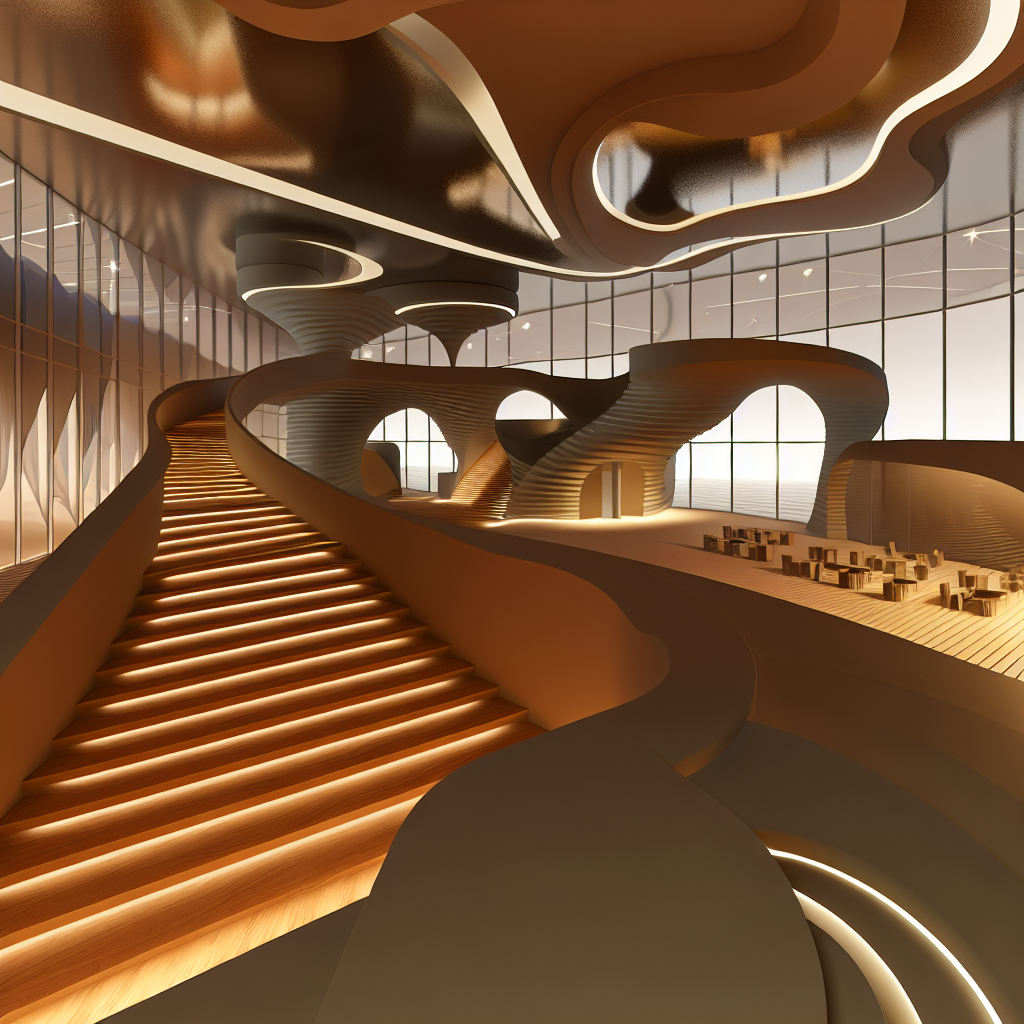
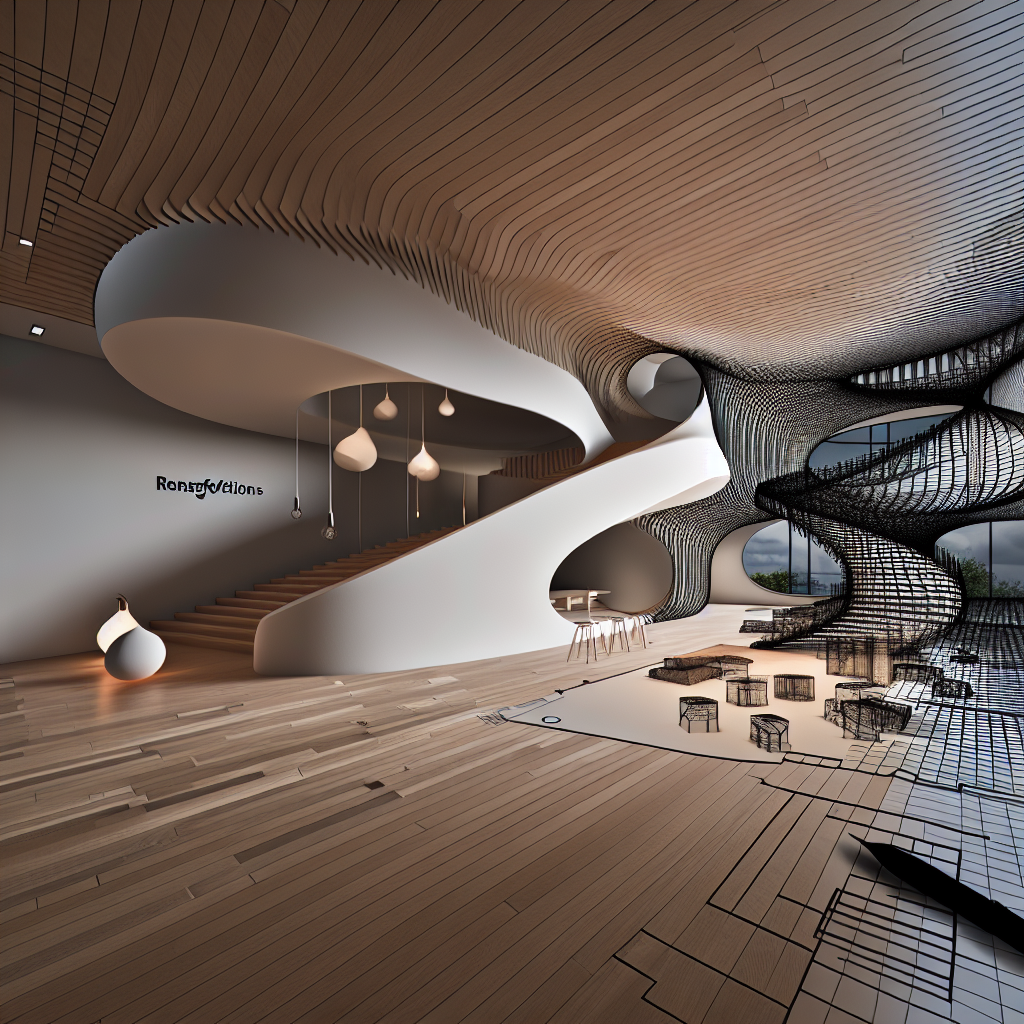
Unlike traditional homes with clearly delineated rooms, parametrically designed spaces often feature continuous flowing transitions between areas. Walls curve and blend into ceilings, stairs spiral organically between floors, and boundaries between indoor and outdoor spaces dissolve through clever material transitions and structural innovations.
Consider a Soga-designed home where the kitchen island morphs seamlessly into dining seating, which then continues as a sculptural element climbing the wall before transforming into shelving. This single parametric “ribbon” creates functional zones without erecting visual barriers, allowing the space to breathe while maintaining definition.
Complex Surface Treatments
Perhaps the most visually striking aspect of parametric residential design is the use of algorithmically generated patterns and textures that bring surfaces to life. These can include:
- Undulating wall panels that create shadow play throughout the day
- Perforated screens that filter light in mathematically precise patterns
- Textured ceiling installations that enhance acoustics while serving as artistic focal points
- Customized facade elements that respond to environmental conditions
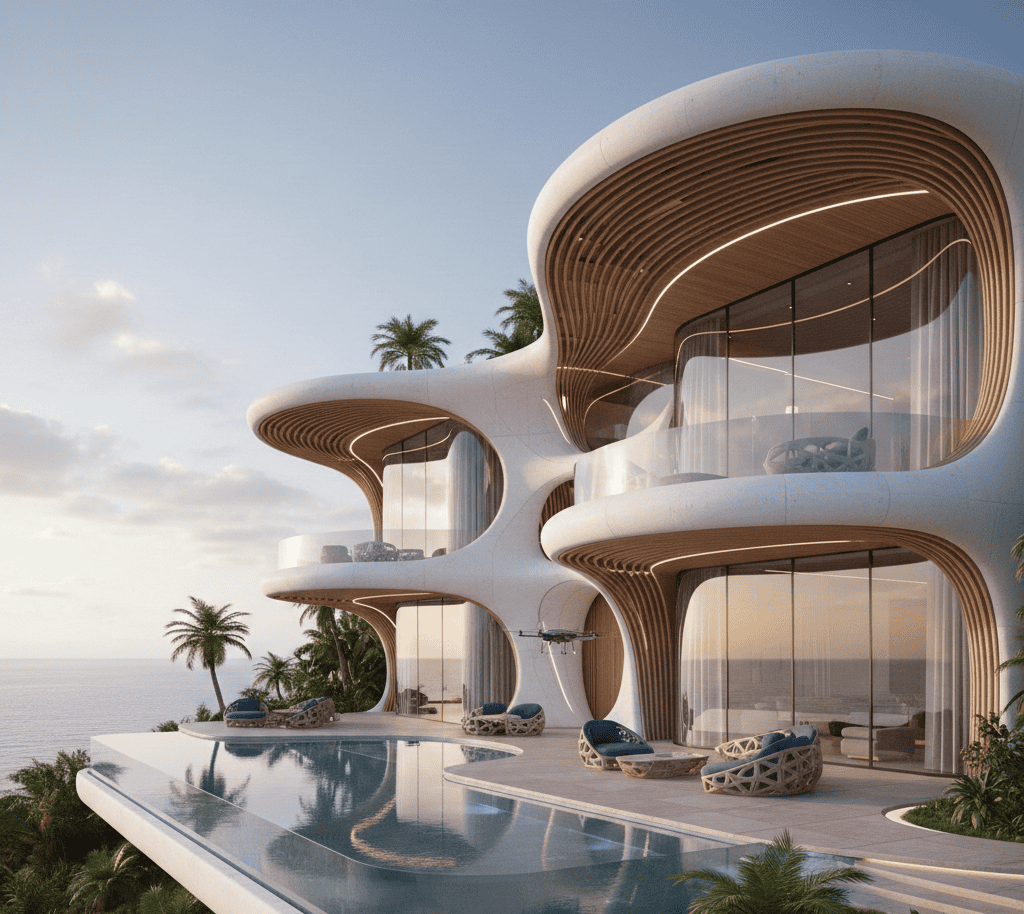
Each Soga installation and sculpture represents a perfect marriage of artistic vision and technical precision. Whether crafting a ceiling installation that mimics the rippling surface of water or designing a facade system that optimizes natural light while ensuring privacy, their parametric approach elevates surfaces from mere boundaries to experiential elements.
Integrated Lighting Systems
Light becomes an active design element in parametric homes, often incorporated directly into architectural features. Responsive lighting systems can be programmed to shift throughout the day, highlighting different aspects of the design as natural light conditions change. In many Soga projects, lighting isn’t merely attached to surfaces but emerges from within them, with light sources hidden behind translucent parametric panels or integrated into sculptural installations.
The Technical Revolution Behind the Aesthetic Evolution
The rise of parametric residential design wouldn’t be possible without significant technological advances that have transformed the design and fabrication process.
Computational Design Tools
Today’s parametric designs begin in sophisticated software environments where algorithmic thinking allows designers to establish relationships rather than fixed forms. Programs like Grasshopper for Rhino, Dynamo for Revit, and custom computational tools allow designers to develop complex systems where adjusting a single parameter can ripple through the entire design, automatically updating all related elements.
Soga’s parametric approach allows them to solve complex design challenges while delivering aesthetically striking results. When tasked with creating a statement staircase for a hillside residence with challenging spatial constraints, their team developed a computational model that optimized step dimensions, structural performance, and visual impact simultaneously—achieving a solution that traditional design methods couldn’t have produced.
Advanced Fabrication Methods
Bringing parametric designs to life requires fabrication techniques as sophisticated as the designs themselves. Digital fabrication bridges the gap between virtual models and physical reality through:
- Multi-axis CNC milling that can carve complex forms from solid materials
- Robotic assembly systems for precise construction of intricate components
- 3D printing technologies for creating complex geometries impossible to achieve by hand
- Laser cutting and water jet cutting for precise material processing
Their meticulous craftsmanship elevates interior and exterior spaces to achieve a distinctly luxurious atmosphere. A Soga-designed parametric wood ceiling might comprise hundreds of uniquely shaped pieces, each precisely milled according to digital specifications and assembled into a coherent whole that appears to defy gravity while enhancing room acoustics.
The Emotional Impact of Parametric Living Spaces
Beyond technical achievement, parametric residential design’s true power lies in its ability to create emotional responses and enhance quality of life.
Biophilic Connections
The fluid forms and complex patterns that characterize parametric design often echo natural systems, creating intuitive biophilic connections even in thoroughly modern spaces. This natural affinity isn’t coincidental—many parametric algorithms are inspired by natural growth patterns, fluid dynamics, and biological structures.
When we encounter these forms in our living environments, something primal within us responds. A Soga-designed parametric wall installation might abstractly reference the patterns of light filtering through forest canopy, creating a space that feels simultaneously avant-garde and deeply connected to natural rhythms.
Personalized Environmental Psychology
Perhaps most revolutionary is the potential for parametric design to create spaces calibrated to individual psychological needs. By adjusting parameters based on clients’ preferences and responses, designers can fine-tune environments that support specific emotional states and cognitive functions.
A home office might feature a parametric ceiling that gradually transitions from energizing patterns near the entrance to more focused, calming geometries in the deep work area. A bedroom might incorporate subtle patterns that promote relaxation through carefully calibrated visual complexity that engages without overwhelming the mind.
The Future of Parametric Residential Design
As computational power increases and fabrication technologies become more accessible, parametric design is poised to transform residential architecture at all levels. The principles pioneered in high-end homes today will increasingly influence mainstream residential design tomorrow.
The most exciting frontier may be the integration of responsive systems that allow parametric elements to physically adapt over time—walls that subtly reconfigure based on occupancy patterns, facades that adjust their porosity in response to weather conditions, and lighting systems that learn occupants’ preferences and anticipate their needs.
Soga Design Studio continues to push these boundaries, demonstrating how computational expertise and artistic vision can combine to create environments that feel simultaneously futuristic and deeply human. Their work reminds us that our homes need not be static containers but can instead be dynamic expressions of how we want to experience the world.
For those fortunate enough to experience truly parametric living spaces, the home becomes more than shelter—it transforms into a responsive environment that supports, surprises, and delights its inhabitants every day. In the fluid spaces created through parametric design, architecture ceases to be merely the art of building and becomes instead the art of crafting experience.In Summary: Design as a Journey of Transformation
From reimagining ceilings to revitalizing walls and redefining facades, we’ve explored how intentional design choices shape spaces and experiences. Whether you’re breaking through creative barriers or building structures that inspire, every detail matters. Remember:
Now it’s your turn. What will you transform first? Share your ideas in the comments, experiment with one tip from this blog, or simply take a moment to observe the spaces around you with fresh eyes. The journey to intentional design starts with a single step—let today be yours. 🌟
Ready to build something extraordinary? Start now, and let your creativity rise higher than any ceiling!