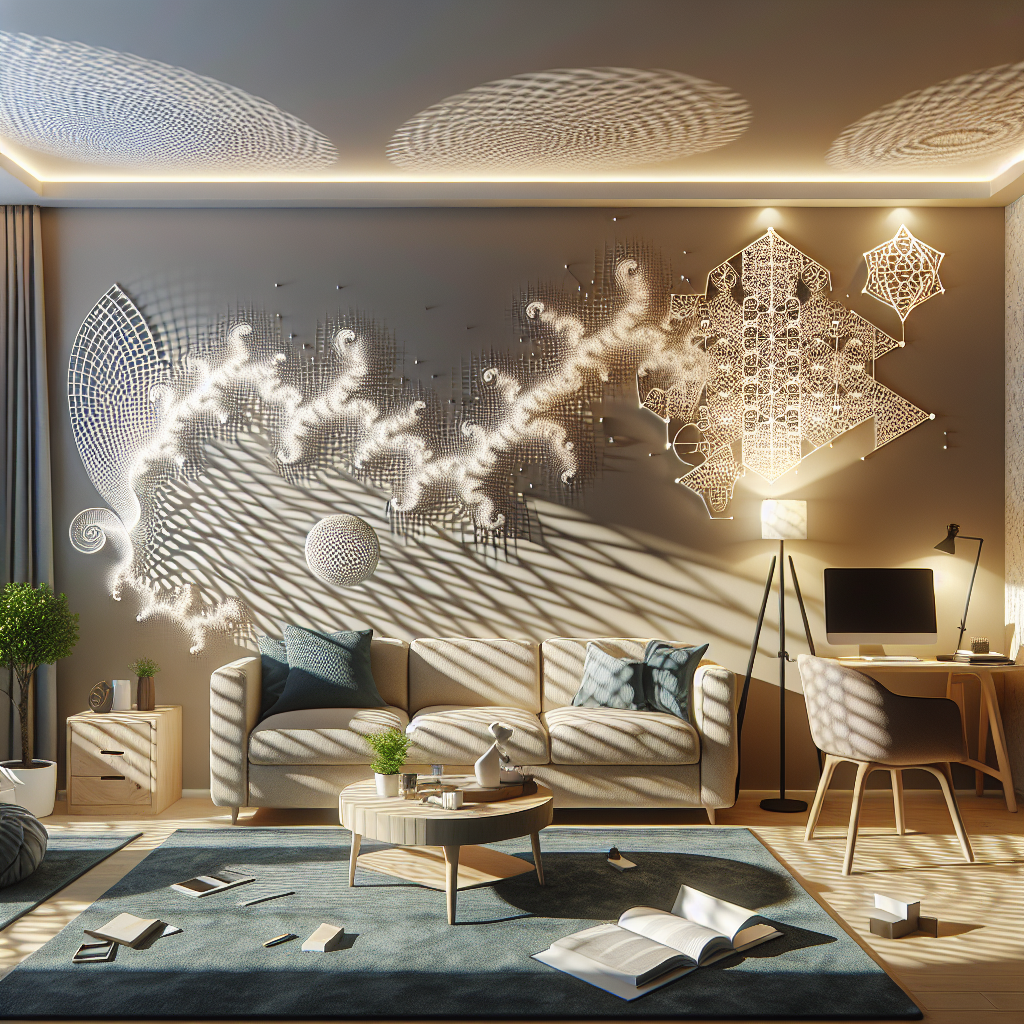
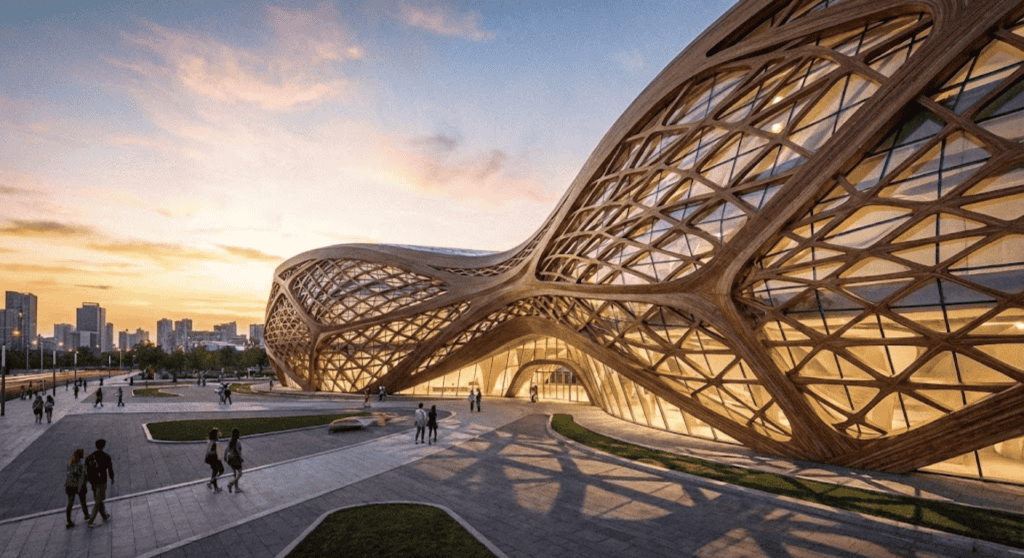
Have you ever walked into a high-end space and wondered how to capture that same luxurious feeling in your own home—without the hefty price tag? The secret might be hiding in the elegant curves and mathematical precision of parametric design, a sophisticated approach that’s transforming ordinary spaces into extraordinary experiences through algorithmic patterns and custom geometry.
*Where mathematics meets aesthetics to create affordable luxury that feels anything but budget-friendly.*Have you ever walked into a designer home and wondered how they achieved that expensive, custom look? The secret often lies in parametric design – a technique that uses algorithms and computational methods to create complex, visually striking geometric patterns. While this might sound complicated and costly, I’m about to show you how it can be surprisingly accessible and affordable.
*Transform your living space with mathematical precision and organic flow—where luxury meets affordability through the power of parametric design.*
Understanding Parametric Design: The New Luxury
Parametric design isn’t just for architects and high-end designers anymore. At its core, parametric design uses mathematical relationships to create complex patterns and forms that would be difficult to design manually. These algorithms can generate intricate, organic-looking structures that appear custom-made and expensive, even when created with budget-friendly materials.
What makes parametric design so powerful for home decor is its ability to transform simple, inexpensive materials into something that appears custom-crafted and exclusive. The geometry as luxury concept works because our brains are naturally drawn to mathematical patterns that exhibit both complexity and order—something parametric design excels at creating.
Why Parametric Elements Feel Expensive
Parametric elements feel expensive for three key reasons:
- They create visual complexity that’s difficult to achieve by hand
- They suggest custom design rather than mass production
- They play with light and shadow in sophisticated ways
The good news? You don’t need to understand complex algorithms to incorporate this style into your home. With the right approach, you can achieve cost-effective smart aesthetics that transform ordinary spaces into something extraordinary.
Hack #1: Ceiling Designs That Transform Rooms
The ceiling remains the most overlooked design canvas in most homes. This “fifth wall” offers tremendous opportunity to add perceived value through parametric elements without major renovation costs.
DIY Parametric Ceiling Panels
One of the most impactful ways to upgrade your space is with parametric ceiling designs. These can be created using lightweight materials like:
- Laser-cut MDF
- Paperboard
- PVC sheets
- Styrofoam panels
Imagine walking into your living room and looking up to see an undulating geometric pattern that casts fascinating shadows as the day progresses. This single element can completely transform how your space feels.
For a beginner-friendly approach, consider creating a focal point rather than covering the entire ceiling. A 4×4 foot parametric panel installation above a dining table or in an entryway creates maximum impact with minimal material costs.
Implementation on a Budget
Here’s how to achieve this for under $100:
1. Download free parametric panel templates from sites like Parametric House or Etsy
2. Have them cut at a local makerspace or use a service like Ponoko for laser cutting
3. Paint all pieces before assembly to ensure uniform coverage
4. Mount using construction adhesive or removable command strips for rental-friendly installation
The geometric complexity created through these ceiling designs draws the eye upward, making rooms feel taller and more architecturally significant—a trick high-end designers use all the time.
Hack #2: Parametric Wall Patterns That Create Depth
Walls present the perfect opportunity to introduce parametric elements that add texture and dimension to your home. Unlike conventional wall treatments that can be costly, parametric wall patterns can be created with surprisingly affordable materials.
Creating Dimension with Layered Elements
Parametric wall designs work by creating a sense of movement and depth. Think of them as sculptural elements rather than flat decorations. They transform plain walls into conversation pieces that appear custom-designed.
For maximum impact with minimum expense, focus on:
- Accent walls in high-visibility areas
- Wall sections behind furniture pieces
- Entryways and transitions between spaces
One approach is to create a parametric wall panel using a repeating pattern of wooden dowels cut to varying heights. When arranged according to a mathematical gradient, they create a wave-like effect that appears to flow across your wall—a hint of luxury that costs less than most wallpapers.
Affordable Materials, Expensive Look
The beauty of parametric design lies in how it transforms humble materials. Consider using:
- Wooden dowels ($20 for 100)
- Cardboard triangles painted in metallic finishes
- Repurposed plastic cut into algorithmic patterns
- Bamboo skewers arranged in computational arrays
The secret is in the arrangement, not the material. By following parametric patterns (easily found online), inexpensive materials take on a high-end, custom-designed appearance through affordable customization techniques.
Hack #3: Parametric Lighting and Screens
Perhaps the most dramatic way to introduce parametric elements is through lighting. Parametric lighting or screens create fascinating interplays between light and shadow that transform spaces and create ambiance far beyond what standard fixtures can achieve.
DIY Parametric Light Fixtures
A parametric pendant light can become the centerpiece of any room. While designer versions can cost thousands, you can create stunning alternatives for a fraction of the cost. The magic happens when light passes through the parametric patterns, casting complex shadows that animate your walls and ceilings.
Try creating a parametric lampshade using:
- Laser-cut paper or cardstock assembled into a 3D form
- Intersecting planes of thin wood veneer
- Folded patterns (origami-inspired) in translucent materials
These fixtures create dramatic lighting effects that suggest custom design work, even though they might cost less than $50 to create.
Screens and Room Dividers
Parametric screens serve multiple functions: they divide spaces, filter light, and add architectural interest. In open floor plans, these elements create definition without sacrificing openness—a hallmark of well-designed spaces.
A simple approach is to create a hanging screen using:
- Laser-cut panels suspended from ceiling tracks
- Modular elements that can be rearranged
- Interlocking pieces that require no hardware
The result is a space that feels thoughtfully designed and architecturally significant. These screens can hide storage, define functional areas, or simply add visual interest—all while employing cost-effective smart aesthetics that elevate your entire home.
Bringing It All Together: A Cohesive Approach
The true power of parametric design elements comes when they’re used with intention throughout your space. While implementing all three hacks would create maximum impact, even incorporating just one can significantly elevate your home’s aesthetic.
Consider how these elements might work together:
- A parametric ceiling panel that connects visually with a similar-patterned screen
- Wall patterns that complement rather than compete with lighting elements
- A gradient of pattern density that guides the eye through your space
The key is balance—parametric elements are visually powerful, so they’re best used as focal points rather than competing features.
Remember that parametric design is fundamentally about relationships between elements. By thoughtfully integrating these features, you create a space that feels intentionally designed rather than randomly decorated—the very essence of what makes expensive homes feel special.
By embracing these parametric design hacks, you’re not just decorating; you’re engaging with a sophisticated design language that typically belongs to high-end spaces. The result? A home that feels expensive, custom, and thoughtfully crafted—without the designer price tag.Every space we inhabit—whether a room, a building, or our own lives—holds the potential for transformation. Just as architects reimagine ceilings to elevate a room’s energy or redesign facades to reflect purpose, we, too, can reshape our perspectives and habits to create a life that inspires. The walls we build around our goals aren’t barriers but frameworks for growth, guiding us toward clarity and resilience.
– Your mindset is the foundation—break through self-imposed ceilings.
– Build walls of intention to protect your progress.
– Let your actions and choices reflect your values, like a facade that tells your story.
Now, it’s your turn. What walls will you reinforce? What ceilings will you dare to shatter? Share your vision in the comments, or take one small step today to align your daily life with the masterpiece you’re creating. The blueprint for change starts with you—design it boldly. 🌟