Sustainable construction demands innovative material choices that balance environmental responsibility with structural performance. Modern architects and designers are increasingly turning to eco-friendly building materials that minimize carbon footprints while delivering exceptional durability and aesthetics.
Key Insights on Green Building Materials:
- Recycled Steel: Offers 100% recyclability and reduces mining impact while maintaining superior structural strength for modern construction projects.
- Bamboo: Fast-growing renewable resource with tensile strength comparable to steel, ideal for structural applications and interior finishes.
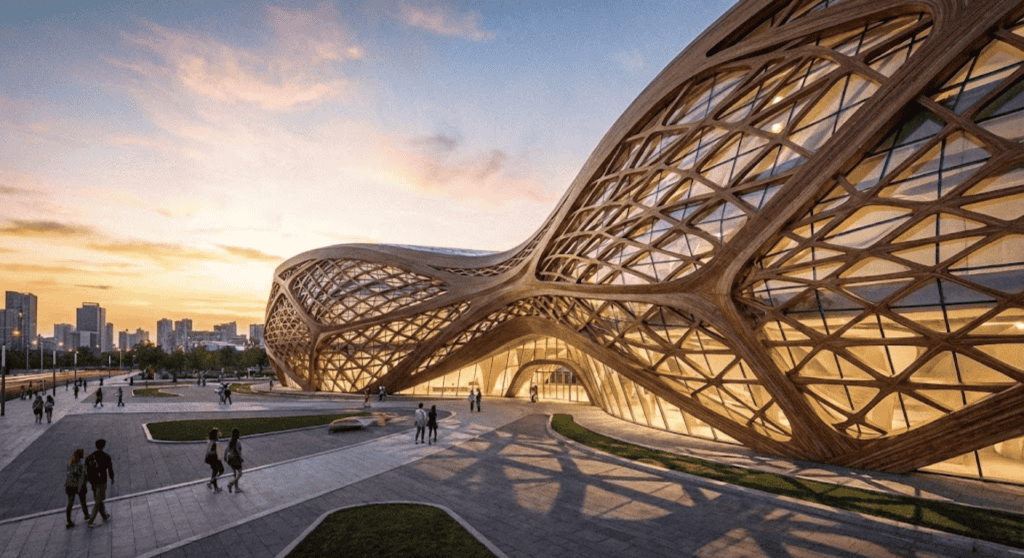
- Cross-Laminated Timber (CLT): Engineered wood product that sequesters carbon throughout its lifecycle and enables rapid, efficient construction.
- Low-VOC Paints and Coatings: Minimize indoor air pollution and create healthier living environments without compromising aesthetic quality.
- Recycled Glass and Concrete: Transform waste materials into durable building components, reducing landfill burden and resource extraction.
- Green Insulation Materials: Options like cellulose, sheep’s wool, and cork provide excellent thermal performance with minimal environmental impact.
India Context Example:
The Indira Paryavaran Bhawan in New Delhi showcases green building excellence with recycled materials, water-efficient systems, and locally sourced stone. This government building demonstrates how sustainable materials can achieve LEED Platinum certification while respecting traditional Indian architectural values.
Practical Conclusion:
Selecting green building materials requires evaluating lifecycle impacts, regional availability, and performance requirements. By prioritizing sustainable options, architects can create structures that minimize environmental harm while meeting modern functional demands. Start with one or two green materials in your next project to build expertise and demonstrate commitment to sustainable design practices.
Reference: World Green Building Council
Why Green Building Materials Matter
Buildings account for a large share of global energy use and carbon emissions, and the materials we choose decide much of that footprint before a building is even occupied. Green building materials reduce embodied carbon, improve indoor comfort and health, and increasingly determine whether a project earns certifications like IGBC, GRIHA or LEED — which affect both value and approvals.
Key Categories to Know
- Low-carbon structure: mass timber, fly-ash and GGBS blended concrete, and recycled steel cut embodied carbon.
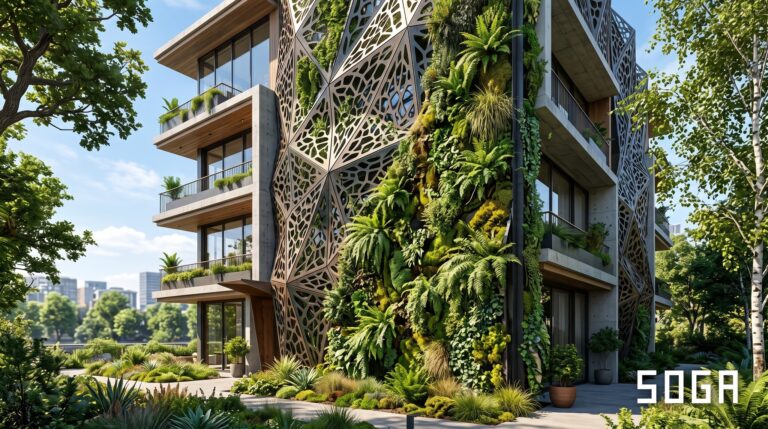
- High-performance envelope: insulated panels, low-e glazing and parametric shading screens reduce cooling load in hot climates.
- Healthy interiors: low-VOC paints and adhesives, and natural finishes, improve air quality.
- Recycled and rapidly renewable: bamboo, recycled aluminium and reclaimed materials lower resource demand.
Choosing Materials for the Indian Climate
In most of India, cooling — not heating — dominates energy use, so the highest-impact green choices are those that keep heat out: reflective and insulated envelopes, shaded glazing and self-shading facades. A parametric metal or GFRC screen, for example, is a genuinely sustainable move because it cuts solar gain and air-conditioning load for the life of the building.
Frequently Asked Questions
What is embodied carbon? It is the carbon emitted to extract, make and transport a material, before the building is used. Low-embodied-carbon materials reduce a project’s footprint from day one.
Do green materials cost more? Some carry a premium, but many — like blended concrete or better shading — are cost-neutral or save money over time through lower energy bills.
Can a facade be a green material choice? Yes. A shading facade that reduces cooling demand is one of the most effective sustainability measures in a hot climate.