Parametric Facades in Architecture: All You Need to Know

Parametric Facades in Architecture: All You Need to Know

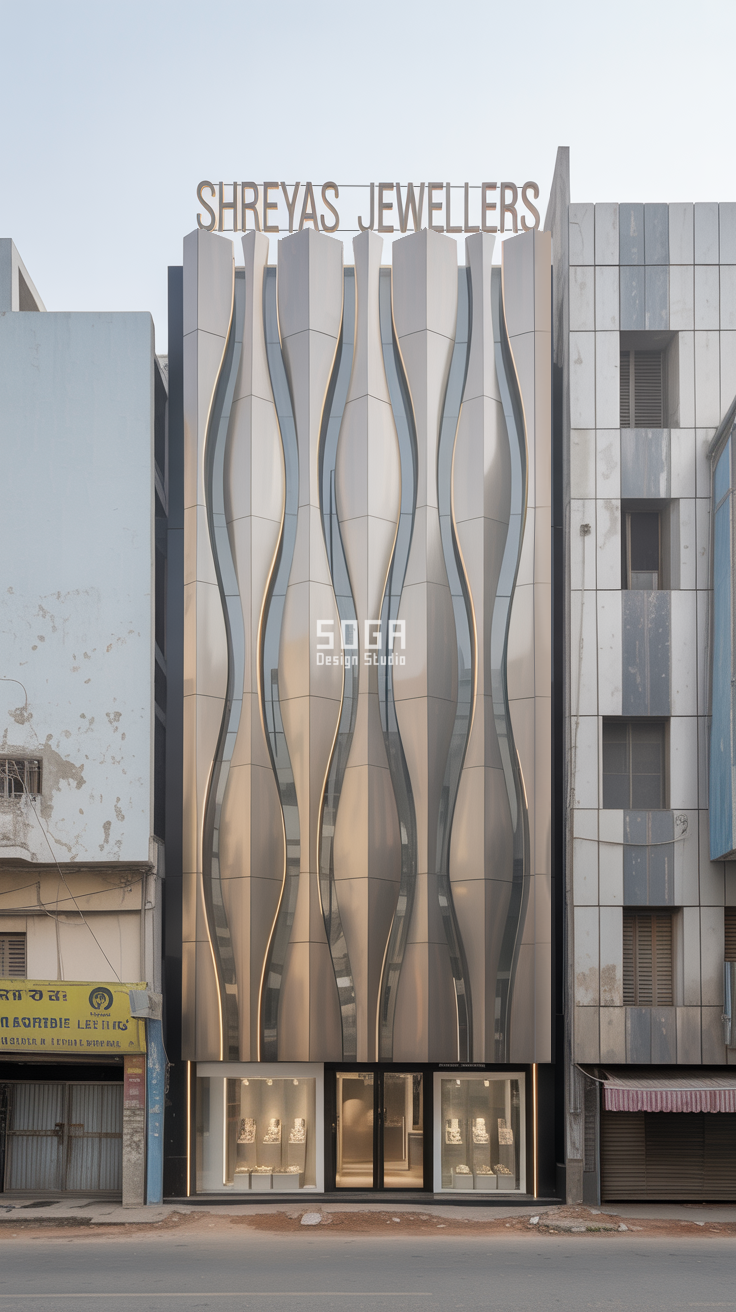
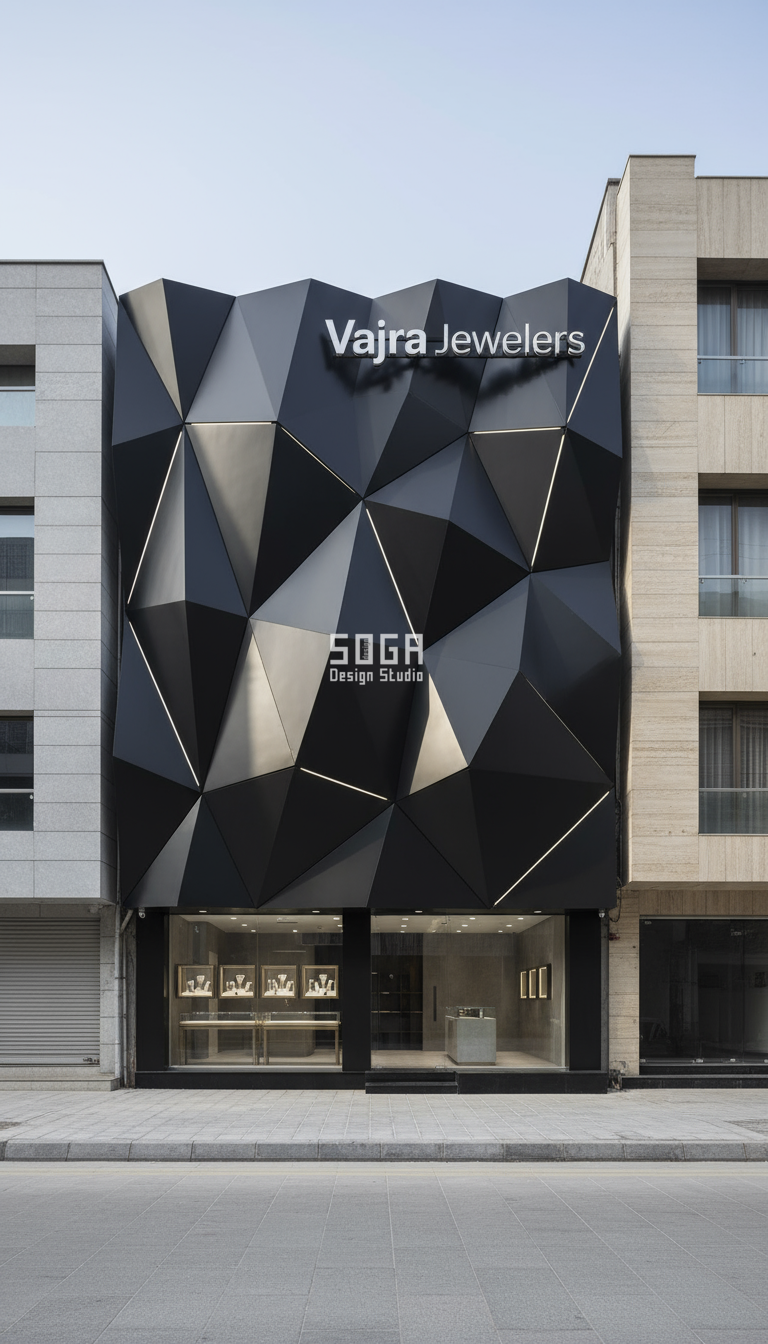
Parametric facades mark a fundamental shift in architecture, moving from fixed, static skins to intelligent building envelopes that respond to environment, performance, and identity. Driven by computational tools like Rhino, Grasshopper, BIM, and digital fabrication, these systems use algorithms and data to generate complex yet buildable geometries that optimize light, ventilation, shading, and material use. From international precedents like the Heydar Aliyev Center and Al Bahr Towers to Indian applications such as SAVYA Hotel Kolkata, Ramo Jewel, Vajra Jewellers, Ratnadeep Gems, Shubhlaxmi Ratna, Shreyas Jewellers, Silver Dots, and other projects by studios like SOGA Design Studio, parametric facades demonstrate how responsiveness, adaptability, and dynamic performance can coexist with strong aesthetics and brand presence. They enable energy-efficient, climate-responsive, highly customized designs that turn buildings into landmarks, while also introducing new challenges in skills, cost, regulation, and fabrication that demand careful coordination and technical expertise. As climate change, urban density, and sustainability targets intensify, emerging technologies such as AI-driven optimization, smart sensors, and advanced fabrication will push parametric facades even further, positioning them not as a passing trend but as a transformative, future-facing approach to contemporary architecture.

Parametric Facades in Architecture: All You Need to Know Read More »
Understanding Parametric Design: A Comprehensive Guide

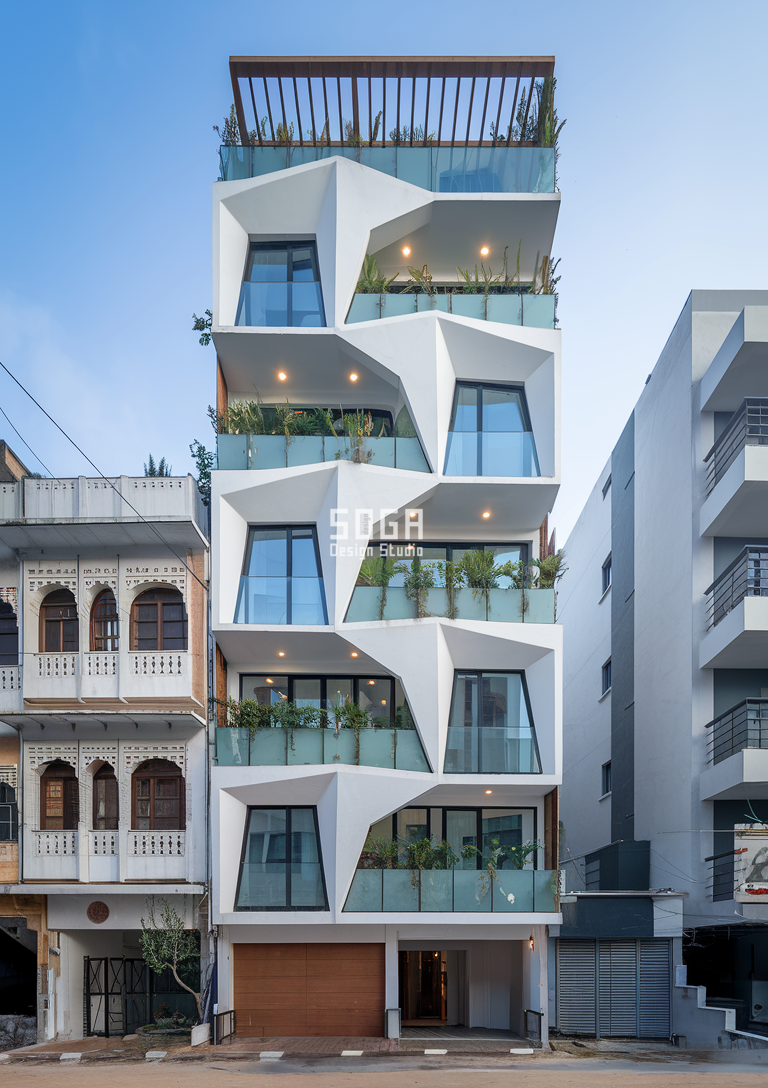
Parametric design is a computational approach that uses adjustable parameters and algorithms to generate adaptive, efficient, and visually complex forms across architecture, engineering, and product design. Evolving from early geometric thinking to today’s advanced tools like Rhino, Grasshopper, and Revit, it allows designers to rapidly iterate, optimize performance, and create geometries that would be impossible through traditional methods. Its applications range from iconic buildings like the Eden Project and Beijing’s Bird’s Nest to aerospace components and automotive design, offering benefits in sustainability, precision, and customization. While it demands technical skill and careful coordination, emerging technologies such as AI, generative design, and digital fabrication are making parametric design more accessible and influential, shaping the future of modern design practice.

Understanding Parametric Design: A Comprehensive Guide Read More »

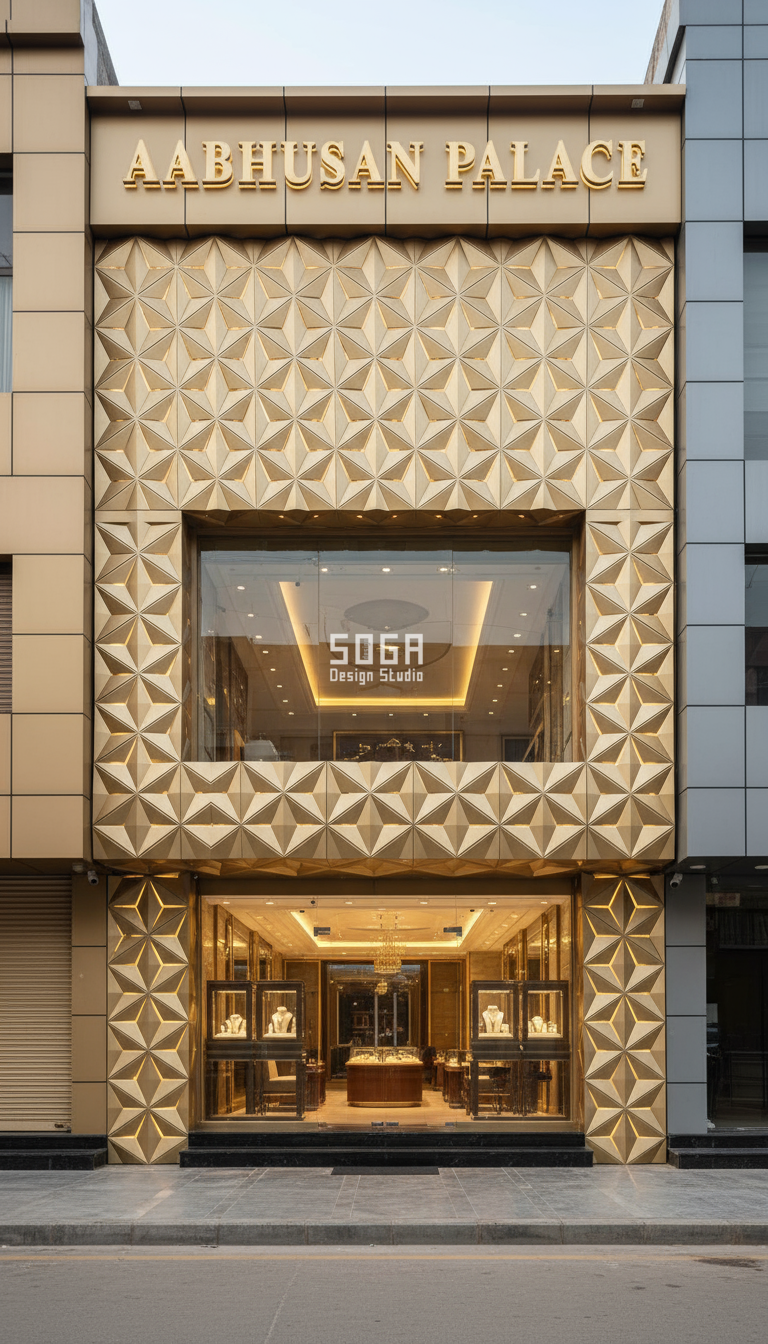
aabhusan palace

Aabhusan Palace Mumbai: Where Luxury Meets Parametric Innovation

Aabhusan Palace in Mumbai showcases SOGA Design Studio’s mastery of parametric facade design through its signature Para Triblock panel system, a luxurious 3D triangular geometry finished in rich gold tones that mirrors the precision and brilliance of fine jewelry. This sculptural, light-responsive facade transforms the building into a contemporary landmark within the city’s bustling jewelry district, seamlessly integrating with the showroom entrance and upper design studio to create a unified architectural statement. Developed through advanced computational modeling, the pattern optimizes proportion, climate performance, material efficiency, and fabrication accuracy, highlighting SOGA’s leadership as India and Dubai’s premier parametric design and facade specialist. More than a building envelope, the facade becomes an extension of the brand—elegant, distinctive, and unforgettable—setting a new benchmark for luxury retail architecture in India.

Aabhusan Palace Mumbai: Where Luxury Meets Parametric Innovation Read More »

Scroll to Top