ramo jewel

Understanding Parametric Design in Architecture

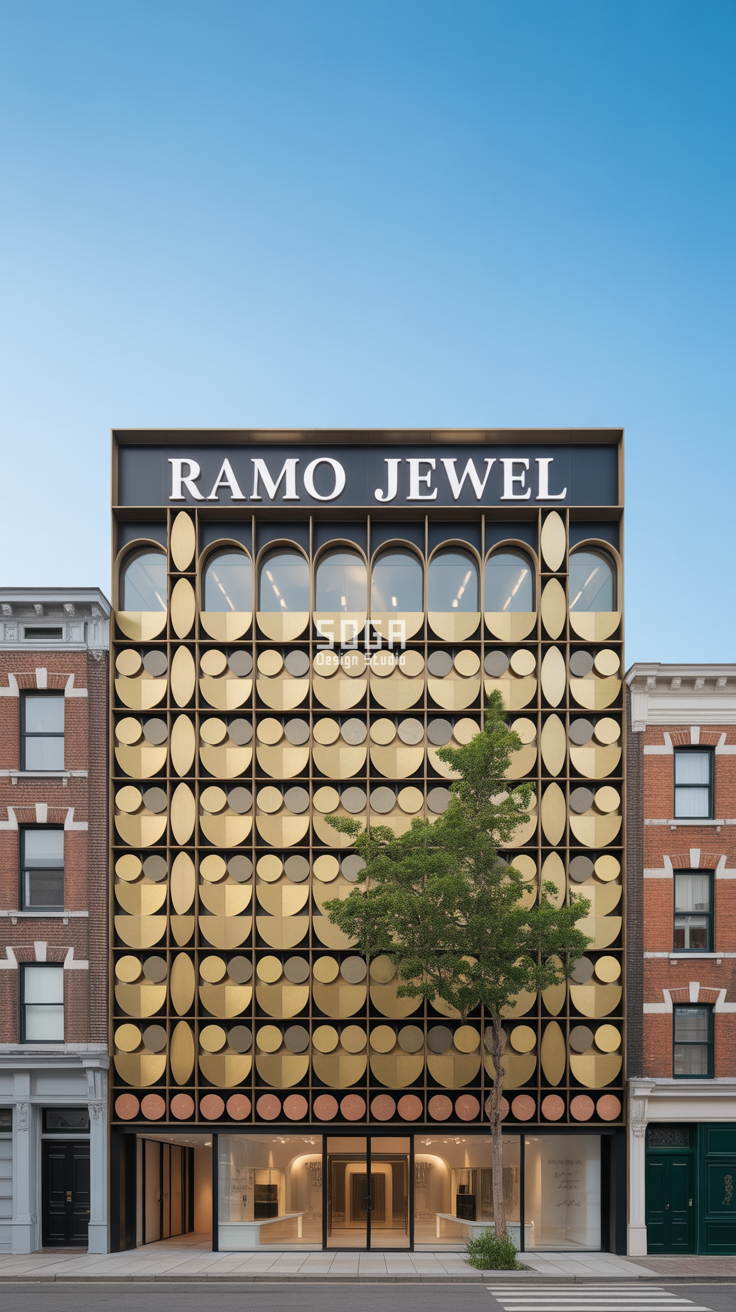
Parametric design is reshaping the future of architecture, and at SOGA Design Studio—India’s leading parametric and computational design firm—we’ve distilled the most common questions we receive into a clear, accessible guide that demystifies this powerful approach. At its core, parametric design replaces static drawings with intelligent, rule-based systems where every design element is mathematically interconnected, allowing buildings to adapt dynamically when parameters change. Unlike traditional methods that require manual redrawing, parametric workflows enable rapid iteration, multi-criteria optimization, and performance-driven decisions, as seen in our hexagonal facade for Raja Ram Pune, the Para Triblock panels at Savya Hotel Kolkata, and the circular patterns of Ramo Jewel Chennai. Using tools like Grasshopper, Rhino, Python, and generative design software, we integrate real-world data—sun paths, wind patterns, material properties, structural logic—directly into the design process, creating facades and building systems that respond intelligently to climate, context, and brand identity. This approach enhances sustainability through material efficiency, energy optimization, reduced waste, and climate-responsive geometries while making even modest retail storefronts distinct, high-impact, and Instagrammable. Whether crafting simple performance-driven layouts or complex sculptural forms, parametric design offers unmatched versatility across retail, residential, commercial, and urban projects in India and Dubai. As AI, digital fabrication, and cloud-based workflows advance, parametric thinking is rapidly becoming the new standard for architectural practice—empowering designers to create buildings that are not only visually striking but computationally precise, environmentally responsive, and future-ready.
Understanding Parametric Design in Architecture Read More »

Parametric Facades in Architecture: All You Need to Know

Parametric Facades in Architecture: All You Need to Know

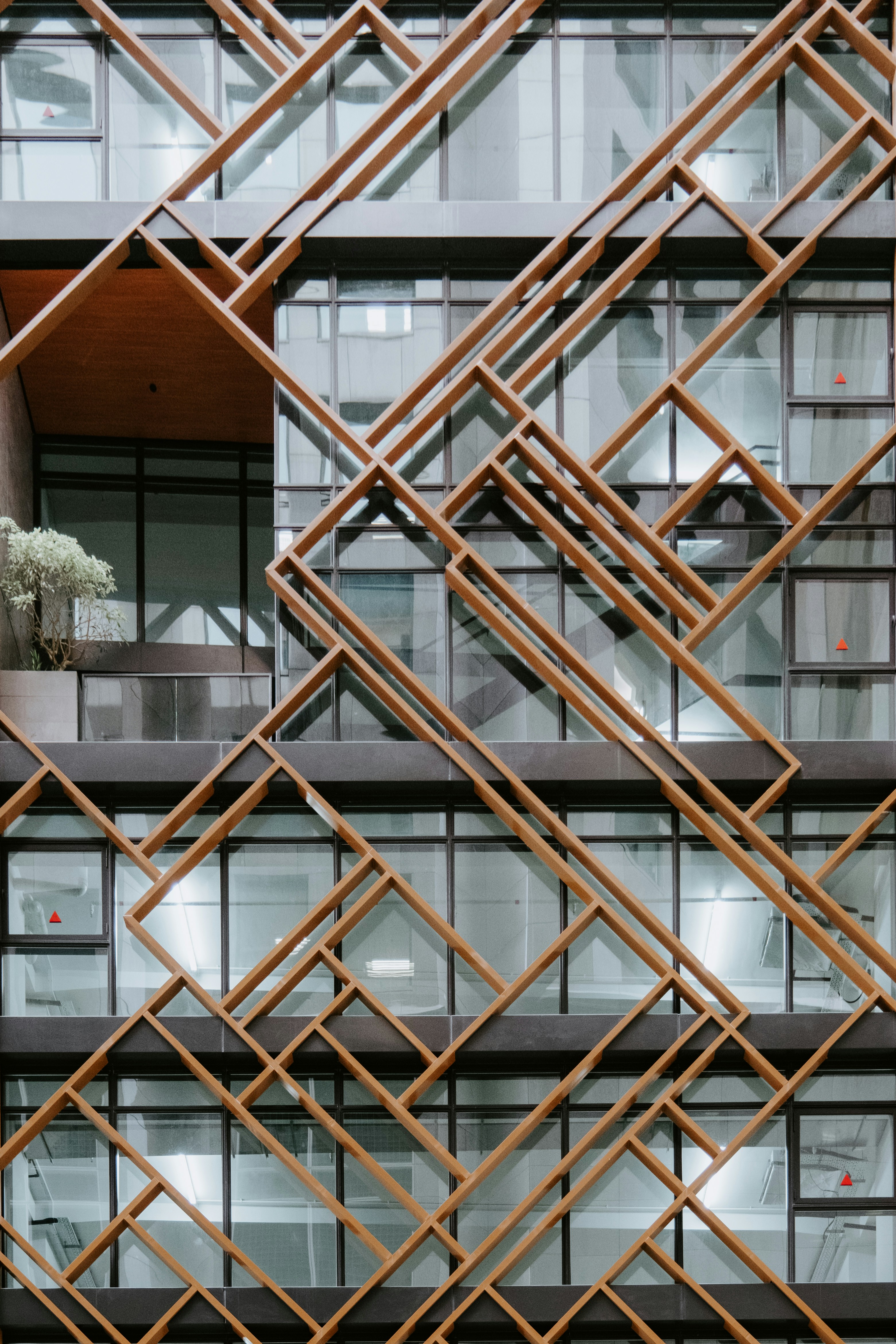
Parametric facades mark a fundamental shift in architecture, moving from fixed, static skins to intelligent building envelopes that respond to environment, performance, and identity. Driven by computational tools like Rhino, Grasshopper, BIM, and digital fabrication, these systems use algorithms and data to generate complex yet buildable geometries that optimize light, ventilation, shading, and material use. From international precedents like the Heydar Aliyev Center and Al Bahr Towers to Indian applications such as SAVYA Hotel Kolkata, Ramo Jewel, Vajra Jewellers, Ratnadeep Gems, Shubhlaxmi Ratna, Shreyas Jewellers, Silver Dots, and other projects by studios like SOGA Design Studio, parametric facades demonstrate how responsiveness, adaptability, and dynamic performance can coexist with strong aesthetics and brand presence. They enable energy-efficient, climate-responsive, highly customized designs that turn buildings into landmarks, while also introducing new challenges in skills, cost, regulation, and fabrication that demand careful coordination and technical expertise. As climate change, urban density, and sustainability targets intensify, emerging technologies such as AI-driven optimization, smart sensors, and advanced fabrication will push parametric facades even further, positioning them not as a passing trend but as a transformative, future-facing approach to contemporary architecture.

Parametric Facades in Architecture: All You Need to Know Read More »

Understanding Parametric Design: A Comprehensive Guide

Parametric design is a computational approach that uses adjustable parameters and algorithms to generate adaptive, efficient, and visually complex forms across architecture, engineering, and product design. Evolving from early geometric thinking to today’s advanced tools like Rhino, Grasshopper, and Revit, it allows designers to rapidly iterate, optimize performance, and create geometries that would be impossible through traditional methods. Its applications range from iconic buildings like the Eden Project and Beijing’s Bird’s Nest to aerospace components and automotive design, offering benefits in sustainability, precision, and customization. While it demands technical skill and careful coordination, emerging technologies such as AI, generative design, and digital fabrication are making parametric design more accessible and influential, shaping the future of modern design practice.

Understanding Parametric Design: A Comprehensive Guide Read More »

Revolutionizing Architectural Design: AI-Optimized Parametric Facades for India’s Hot Climates

Understanding Parametric Facades Parametric facades represent a transformative approach in architectural design, characterized by their dynamic and adaptable nature. Defined as facade systems that utilize algorithms to determine their form and function based on specific parameters, these structures allow architects to respond creatively to varying environmental conditions. In essence, the parameters applied can dictate not

Revolutionizing Architectural Design: AI-Optimized Parametric Facades for India’s Hot Climates Read More »

shreyas jewellers

Parametric Facade Design for Shreyas Jewellers, Jaipur | SOGA Design Studio India 

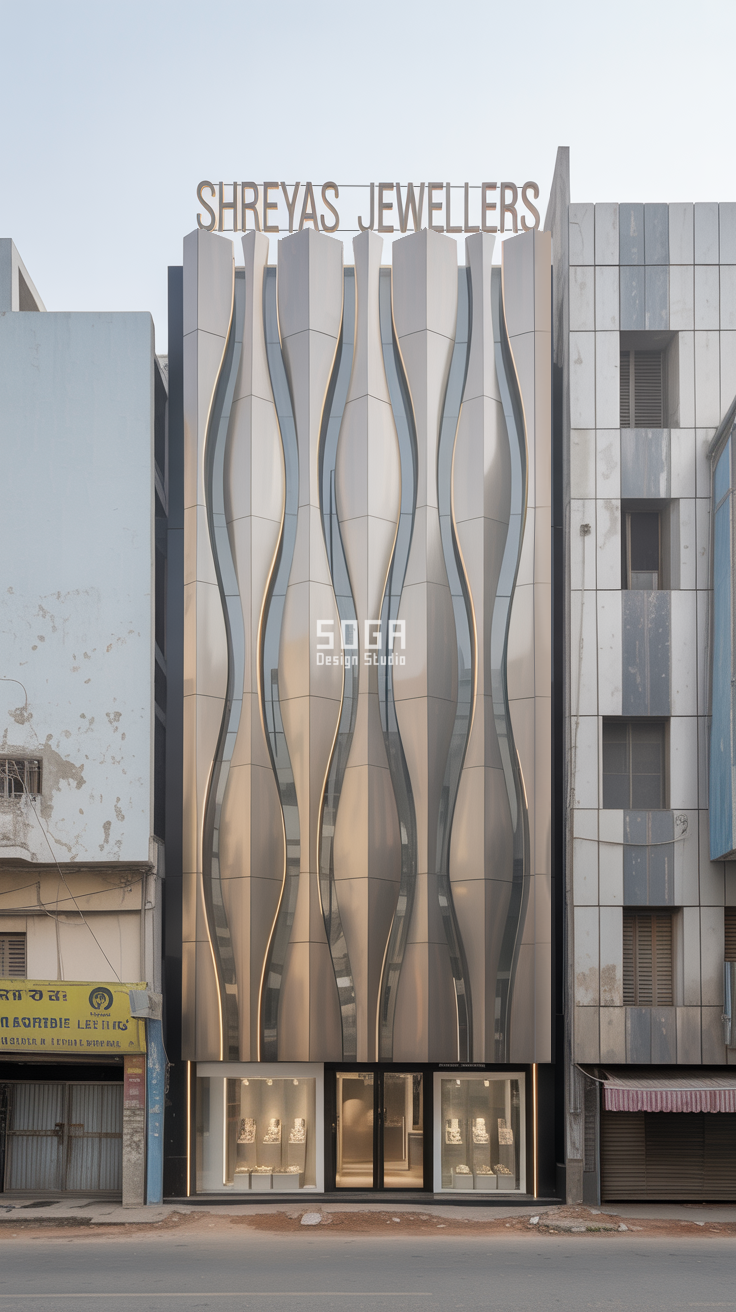
Project Overview: Shreyas Jewellers Showroom, Jaipur Shreyas Jewellers, entrusted SOGA Design Studio to reimagine their flagship showroom. Key features of this architectural marvel include: What is Parametric Design? Parametric design uses computer algorithms to create complex, adaptive, and unique architectural forms. Advantages: SOGA Design Studio’s Unique Approach Gold Sequin Facade: A Symbol of Opulence Inspired

Parametric Facade Design for Shreyas Jewellers, Jaipur | SOGA Design Studio India  Read More »

shubhlaxmi ratna

Shubhlaxmi Ratna FRP Facade, Chennai – Parametric Design Excellence by Soga Design Studio

Location: Chennai, Tamil NaduProject by: Soga Design StudioFacade Type: FRP (Fiber Reinforced Plastic) Parametric Facade Project Details Facade Material: High-quality FRP (Fiber Reinforced Plastic) panels Design Technique: Parametric and computational design for complex geometries Manufacturing: Lightweight FRP molding with precision-engineered modular system Visual Impact: Elegant parametric patterns with superior finish and durability Sustainability: Lightweight, weather-resistant,

Shubhlaxmi Ratna FRP Facade, Chennai – Parametric Design Excellence by Soga Design Studio Read More »

Mass Timber Construction: The Future of Sustainable High-Rise Buildings

Mass timber construction represents a revolutionary shift in sustainable building practices, enabling wooden structures to reach heights previously reserved for steel and concrete. Engineered wood products like cross-laminated timber (CLT) and glulam combine renewable materials with advanced manufacturing to deliver strong, lightweight, carbon-sequestering building systems for tall structures. Key Insights on Mass Timber Construction: India

Mass Timber Construction: The Future of Sustainable High-Rise Buildings Read More »

Adaptive Reuse in Architecture: Breathing New Life into Historic Buildings

Adaptive reuse transforms obsolete or underutilized structures into vibrant new spaces, preserving cultural heritage while meeting contemporary functional needs. This sustainable approach reduces demolition waste, retains embodied energy, and maintains architectural character while addressing modern urban space demands and economic development goals. Key Insights on Adaptive Reuse: India Context Example:Delhi’s iconic Bikaner House, originally built

Adaptive Reuse in Architecture: Breathing New Life into Historic Buildings Read More »

output1.png2025 06 01T053140.390Z

The Parametric City of the Future: Would You Want to Live There?

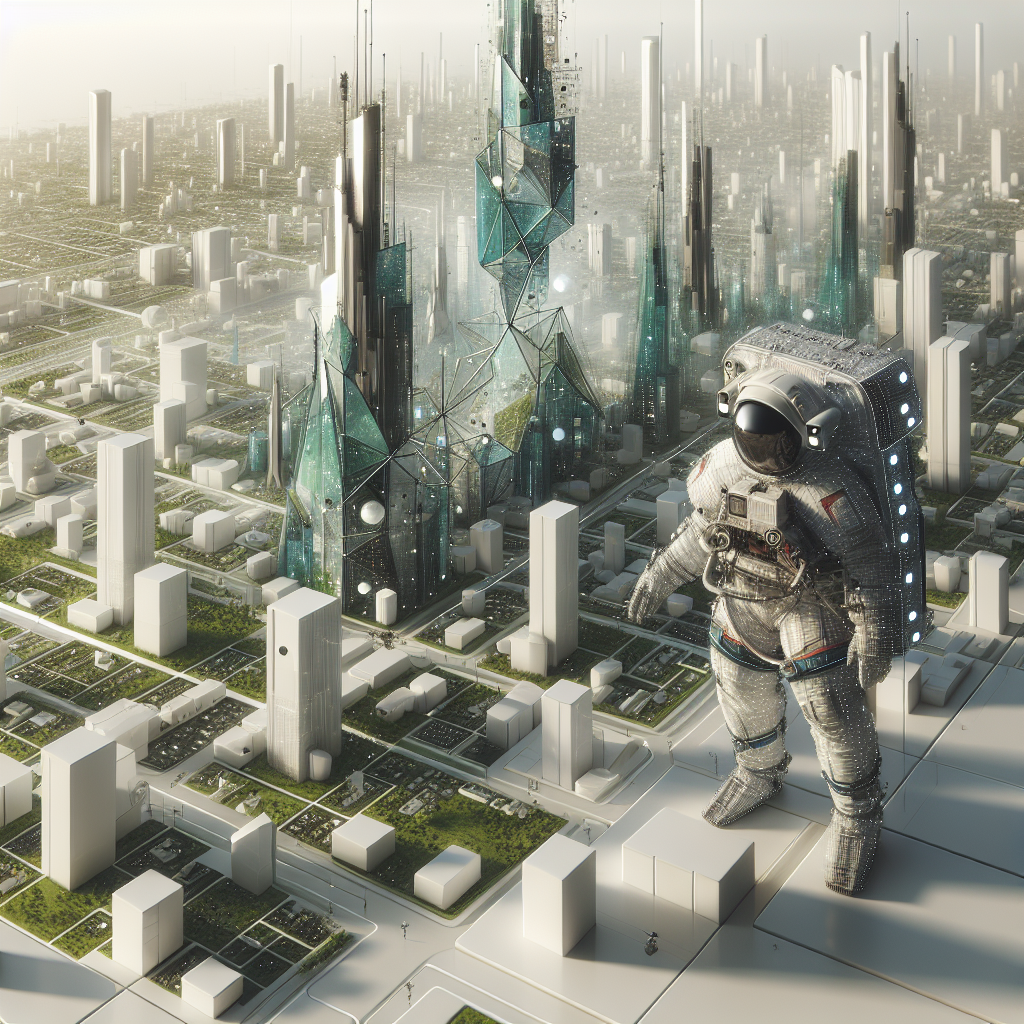
Imagine cities designed by algorithms, where buildings flow like digital sculptures and streets adapt to our needs. Parametric design—using computational rules to generate urban forms—promises to transform our concrete jungles into responsive, efficient environments. But as architects and planners embrace these powerful tools, we must ask: Would these mathematically optimized metropolises truly enhance our lives, or would something essentially human be lost in the perfectly calculated spaces?

The Parametric City of the Future: Would You Want to Live There? Read More »

output1.png2025 05 31T053158.833Z

How Algorithms Are Changing the Way We Build – and Why It Matters to Yo u

Algorithms are revolutionizing the architecture and construction industry through parametric design, allowing buildings to be more innovative, sustainable, and cost-effective. By using computational tools to test thousands of design variations simultaneously, architects can optimize for factors like energy efficiency and material usage. Whether you’re a homeowner or industry professional, understanding these algorithmic approaches will be crucial as they continue to reshape our built environment.

How Algorithms Are Changing the Way We Build – and Why It Matters to Yo u Read More »

Scroll to Top